REVIEW · 7-DAY EXPERIENCES
7-Day Small Group Tour: Canadian Rockies and National Parks
Book on Viator →Operated by Bindlestiff Tours · Bookable on Viator
Big parks, tight time, great views. This 7-day Canadian Rockies and National Parks tour links Banff and Jasper with the Icefields Parkway, then finishes in Whistler and Vancouver. You ride in a vehicle with extra-large windows, and national park fees are built into the price, so fewer line items surprise you later.
Two things I especially like: the window-heavy touring setup and the way the route stacks headline sights without making you chase tickets. The main thing to consider is the driving time—parks are far apart, so you’re trading long-distance transit for maximizing total scenery in one week.
A small group matters on a trip like this. With a cap of 14 travelers, you get more personal attention, and the guide’s style can make a big difference—reviews specifically call out guides like Adriann and Chris Patrick for keeping energy high, spending time at stops, and even helping with photos.
In This Review
- Key things I’d circle before you book
- The Canadian Rockies route: why this 7-day loop works
- Day-by-day: from BC waterfalls to Vancouver waterfront
- Day 1: BC Wildlife Park and Bridal Veil Falls
- Day 2: Emerald Lake, Kicking Horse Pass, and into Banff
- Day 3: Lake Louise, Plain of Six Glaciers, and Moraine Lake
- Day 4: The Icefields Parkway day and the Bow Glacier Falls Trail
- Day 5: Jasper National Park and Mount Robson en route
- Day 6: Whistler Blackcomb for a free exploration block
- Day 7: Vancouver downtown, Stanley Park, and back to Seattle
- Price and value: is $1,995 actually a smart deal?
- Icefields Parkway and glacier walking: the day that anchors the whole trip
- Banff-Lake Louise-Moraine: big icons, short missions
- Camping vs hotels: what changes day-to-day
- Camping option: close to nature, more teamwork
- Hotel option: more rest, less work
- The small-group guide factor (and why it matters)
- Meals, water, and packing tips that will save your trip
- Meals and meal charge
- Water is not included
- Gear and clothing
- Who this tour is best for (and who should rethink it)
- Should you book this Canadian Rockies and National Parks small-group tour?
- FAQ
- Where does the Canadian Rockies and National Parks tour meet, and what time does it start?
- How many people are in the group?
- What type of vehicle is used?
- Are national park fees included?
- If I choose the camping option, what sleeping gear do I need?
- How do meals work, and what is the meal charge?
- Are optional activities included?
- What languages are available for tour commentary?
- What is the cancellation policy?
Key things I’d circle before you book
- Extra-large windows make roadside viewing feel less like commuting
- National park fees included for Banff, Yoho, and Jasper saves hassle
- Small group (max 14) helps the guide manage timing and questions
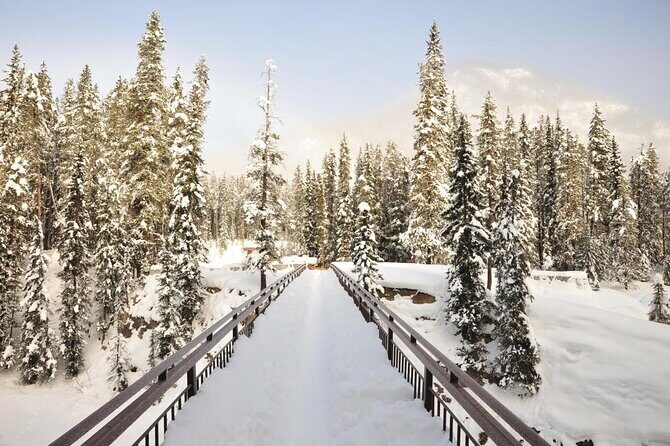
- Camping or 3-star hotels changes the feel of each day
- Optional add-ons like Lake Louise canoeing or an Icefields helicopter flight cost extra
- Icefields Parkway day is built for glacier views plus short hike options
The Canadian Rockies route: why this 7-day loop works
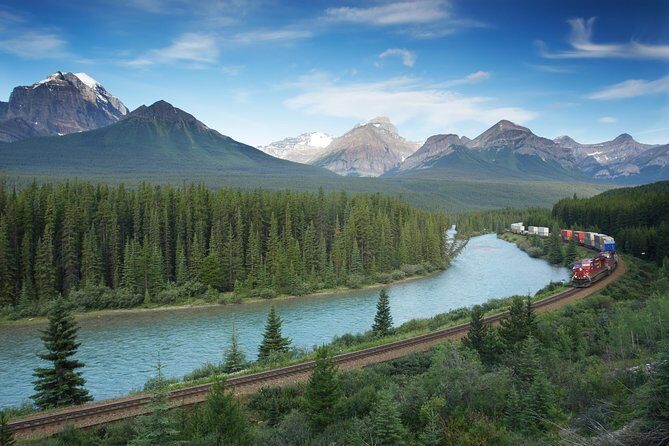
This tour is built around a simple idea: pack in the iconic places that people come to western Canada for—then make sure you get time to actually look, walk, and photograph. You’re not just doing scenic pull-offs. You’re spending focused blocks at key spots like Lake Louise, Moraine Lake, and Jasper, then driving the Icefields Parkway with enough stops to break up the day.
The route also makes sense geographically. You start on the Seattle side, work north through British Columbia into the Rockies, then swing west to Whistler and finish with a Vancouver introduction. That order helps you avoid backtracking, which is a real quality-of-trip issue on road-travel itineraries.
There’s a practical upside to the vehicle and small-group format: you’re more likely to get quick questions answered—where to stand for the best views, what a trail connects to, or what wildlife might be near the next pullout—without losing time to crowd chaos.
If you're still narrowing it down, here are other tours in Seattle we've reviewed.

Day-by-day: from BC waterfalls to Vancouver waterfront
This week moves in big blocks, and that’s part of the charm. Here’s what each day feels like, and where you’ll want to plan your energy.
Day 1: BC Wildlife Park and Bridal Veil Falls
You kick off with a drive from Seattle toward Kamloops, British Columbia. The stop at BC Wildlife Park is a good “start slow” setup because it’s not all driving—there’s a chance to stretch, observe animals, and get oriented to the region.
You also stop at Bridal Veil Falls Provincial Park. It drops about 197 feet over a smooth rock face, giving that veil-like look—an easy, satisfying landing after travel.
Consideration: Your first day is partly about transition. If you’re the kind of traveler who hates early starts and prefers to land immediately in a big hike, Day 1 may feel more like a warm-up.
Day 2: Emerald Lake, Kicking Horse Pass, and into Banff
You spend time at Emerald Lake, where you can walk the trails around the water or relax at the lakeshore café. This is a nice change of pace: fewer glacier crowds, more calm lake viewing.
Later you cross the Kicking Horse Pass across the Continental Divide into Alberta. You’ll pass through Rogers Pass (Canada’s Glacier National Park area) and see peaks topping 10,000 feet. It’s the kind of drive where you’ll want layers ready; mountain weather can swing fast.
You end the day in Banff, a fun mountain town with food and atmosphere—though your exact time there can vary based on the day’s pacing.
Day 3: Lake Louise, Plain of Six Glaciers, and Moraine Lake
This is a signature day. You start at Lake Louise, with the turquoise, glacier-fed look that people remember long after the trip. There are multiple trails, including the popular route toward Lake Agnes Tea House, which is known for broad views over the lake.
Next comes the Plain of Six Glaciers. You can hike (shorter paths to longer routes depending on your energy) or take the option to be on the water via canoeing on Lake Louise—note: canoeing is optional and costs extra.
In the afternoon, you visit Moraine Lake in the Valley of the Ten Peaks area (around 6,183 feet elevation). This is built for photos: steep surroundings, bright water, and dramatic mountain geometry.
Small reality check: This is a day with multiple “big wow” stops. You’ll get better results if you treat it like a series of short missions: arrive, grab the view, take your photos early, then choose one hike or experience that matches your stamina.

Day 4: The Icefields Parkway day and the Bow Glacier Falls Trail
This is one of the most important days on the itinerary. The Icefields Parkway is where the sheer scale of glaciers, jagged peaks, and wildlife viewing comes together. You’re not just driving through; the itinerary gives you time to stop and look.
You also get the Bow Glacier Falls Trail for short walks and viewpoints of Bow Glacier and Peyto Lake. There are options here too: a glacier walk or an optional helicopter flight over the area (these are not included, and tickets are separate).
What to do with this day: If you’re serious about photos, plan to move quickly when you arrive at viewpoints. Early positioning matters, and the best light can shift fast along the parkway.
Day 5: Jasper National Park and Mount Robson en route
You spend time in Jasper National Park, a place known for lakes, alpine scenery, and wildlife. You’ll get a useful block of time (around two hours) to walk and soak in the atmosphere rather than just passing through.
Then you continue via the Yellowhead Highway, including a stop area around Mount Robson—the highest point in the Canadian Rockies. This is a classic “big peak moment” during the drive toward your next base.
Day 6: Whistler Blackcomb for a free exploration block
Today is the break day in disguise. You go to Whistler Blackcomb and have about 6 hours free to explore. It’s a great chance to eat something you really want, browse, and soak up the mountain-town vibe without a rigid schedule.
Consideration: Because this day is mostly free time, the tour’s value comes down to what you do with those hours. If you want guided hiking or specific viewpoints, you may need to plan your own game plan once you’re there.
Day 7: Vancouver downtown, Stanley Park, and back to Seattle
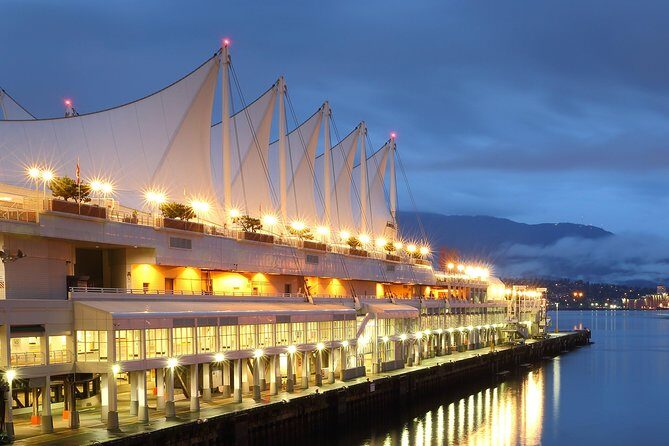
You get a Vancouver downtown introduction via scenic Sea to Sky Highway driving and a guided tour focus that includes the waterfront, Gaslamp District, Chinatown, and Stanley Park (about four hours total).
Then you head back toward Seattle for your evening or return to your departure area.
Practical tip: Keep your last-day expectations flexible. After a full week in the parks, the best use of your final hours is simple: good food, a short easy walk, and sleep that isn’t packed into a tent.
Price and value: is $1,995 actually a smart deal?
At $1,995 per person, the headline question is: what are you really paying for?
Here’s the value math that matters:
- Transportation in a small-group vehicle (max 14) for the full route from Seattle to the Rockies and across to Whistler and Vancouver
- National park fees included specifically for Banff, Yoho, and Jasper
- Attractions aligned with the itinerary
- All taxes and handling charges
- A mobile ticket and commentary support through a free app (with language options)
Where cost can feel different is meals and accommodations. You can choose:
- A camping option, with tents and most equipment provided (but you bring your sleeping bag and pillow), plus a meal charge
- A 3-star hotel option, also with a separate meal charge
If you like the idea of not worrying about park entry fees, not arranging your own intercity driving, and having a guide manage stops and timing, this price starts looking more reasonable fast. If you want maximum control over every minute in town, you may feel the trade-off.
Icefields Parkway and glacier walking: the day that anchors the whole trip
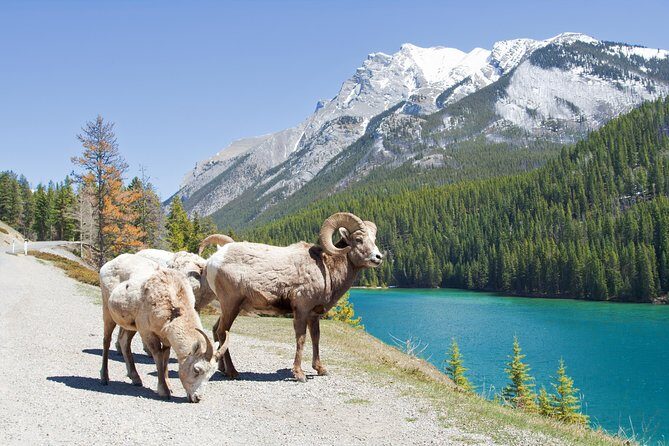
If you’re wondering what makes this itinerary worth your time, it’s the Icefields Parkway block. This is the stretch where the scenery becomes less “pretty” and more “how is this real.”
You’ll get:
- A full day focused on parkway vistas
- Short walking routes, including the Bow Glacier Falls Trail
- Viewpoints like Peyto Lake
- Optional high-impact experiences like a helicopter flight or glacier walk (extra cost)
One review callout that matches the itinerary energy: the glacier walk is often treated as a favorite moment, because you’re not only looking—you’re stepping onto a different kind of surface entirely.
Smart planning: Bring motion sickness remedies if you’re sensitive to curvy mountain roads. Also keep your camera accessible. Stops are frequent enough that you’ll want to react quickly.
Banff-Lake Louise-Moraine: big icons, short missions
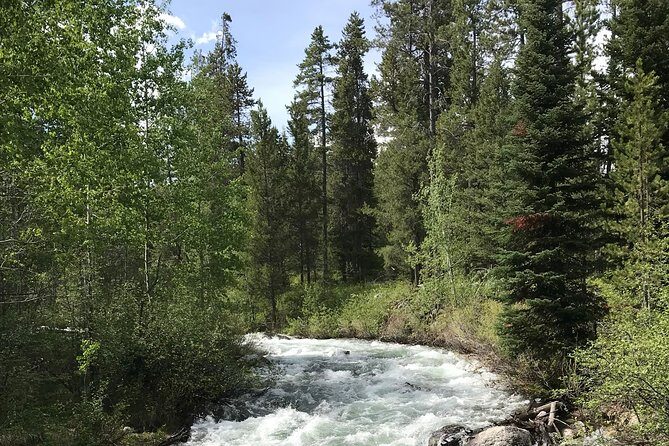
This part of the week is the “postcard sequence,” but with enough structure that you aren’t stuck doing one long slog. You get:
- Lake Louise with trail options up toward Lake Agnes Tea House
- Plain of Six Glaciers with hiking and an optional canoe option
- Moraine Lake for epic photos in the Valley of the Ten Peaks area
These stops are popular for a reason. Still, popularity changes your day. The best approach is to treat each location as a set of mini goals:
- Find the main viewpoint fast
- Decide on one trail or one extra experience
- Don’t burn all your energy trying to do everything at each stop
If you’re traveling with a mixed group of walkers and non-walkers, this kind of structure helps. You can pick your pace, and a good guide can help you choose what’s realistic.
Camping vs hotels: what changes day-to-day
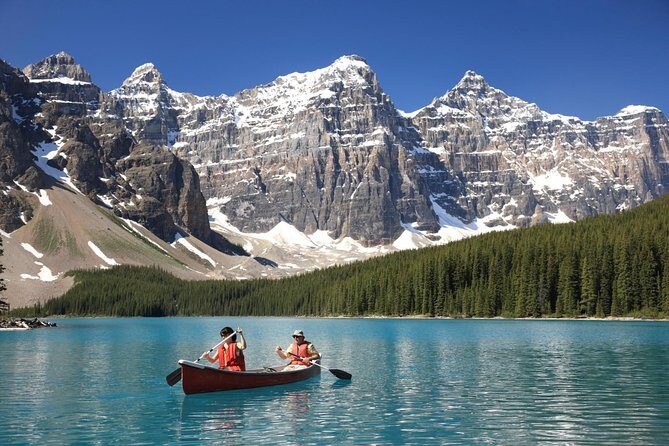
You can do this trip either as a camping package or 3-star hotel lodging.
Camping option: close to nature, more teamwork
Camping includes 6 nights and the necessary gear (except sleeping bag and travel pillow). Sleeping arrangements are solo or 2-person tents. If you’re traveling as a couple or a group of four-plus, you’ll want to flag it in special requirements so you can stay together.
Food is part of the camping reality. Breakfast, lunch, and dinner are available on most days but require a meal charge paid at the start of the trip. Dinners are cooked communally at the campsite, and participation is required.
Where camping shines: You’re part of the group rhythm—campfires, shared setup, and a slower night pace after long days outside.
Where it might not fit: If you want private comfort every night or you hate shared meal prep, you’ll likely prefer the hotel option.
Hotel option: more rest, less work
The hotel package includes 6 nights of 3-star accommodations. You still pay the meal charge (breakfast, lunch, dinner on most days), but you avoid the tent setup and communal dinner cooking.
My practical take: If you’re fit and enjoy outdoor nights, camping can feel like the “full experience.” If your hiking is light or you’re traveling for comfort as much as scenery, hotels help you recover.
The small-group guide factor (and why it matters)
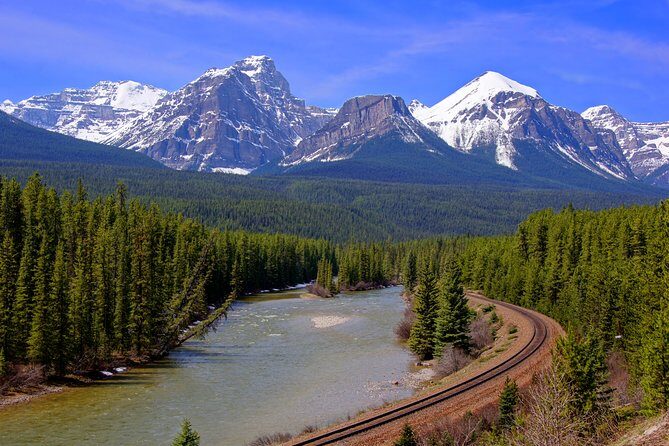
This is where the reviews hint at a real-world truth: a guide can make the same route feel totally different.
When guides like Adriann are leading, the trip can feel more personal—spending time at each stop, helping people with photos, and turning the day into a set of shared moments instead of a checklist. Another review highlights Chris Patrick for being fun, informative, and attentive to the group.
At the same time, you should know what can annoy you on any scheduled road tour: limited town time and meal expectations. One negative experience described more driving with fewer stops and a more basic meal routine. That doesn’t mean the sights are wrong—it means the tour’s structure favors pace and group logistics.
How you protect your experience: If you care about how long you get in Banff or what kind of food you want, communicate preferences early and politely. A flexible guide can often adjust within schedule limits.
Meals, water, and packing tips that will save your trip
A few details here have an outsized effect on comfort.
Meals and meal charge
You’ll pay extra for meals:
- $100 per person for camping guests
- $50 per person for lodging guests
Vegetarian meals are available upon request. For camping, dinners are communal at the campsite and require participation.
Water is not included
Bottled water isn’t provided, so bring a refillable container. You’ll refill at comfort stops along the way.
Gear and clothing
You’ll want layers—mountain weather can swing between warm and cool. Pack:
- waterproof hooded jacket
- hiking shoes (closed toe)
- sunscreen and a hat
- warm socks
Luggage is limited: one piece plus a small carry-on, and it can’t exceed 44 lbs (20 kg) per person.
Optional add-ons
You can add activities not included in the base price, such as:
- canoeing on Lake Louise
- a helicopter flight over the Columbia Icefield
- biking in Jasper National Park
If an optional excursion is on your personal top-three list, add it early so it’s not a last-minute scramble.
Who this tour is best for (and who should rethink it)
This is a strong fit if you:
- want to see Banff + Jasper + Icefields Parkway without renting a car
- like guided structure but still want walk time at major sights
- enjoy small-group energy and don’t mind that some days are mostly driving
- can handle tent nights if you choose camping
You might want to rethink if you:
- want lots of free time in towns like Banff and would be unhappy with short blocks
- hate any chance of basic meal options and want restaurant-style dining every day
- are the type who gets irritated by schedule-driven trade-offs
The itinerary is designed for nature and walking. You should expect to be on foot during key stops.
Should you book this Canadian Rockies and National Parks small-group tour?
For most people, I’d say yes—if you understand the trade. You’re paying for logistics handled for you: small-group travel, major parks in one week, and included national park fees. The Icefields Parkway day is a centerpiece, and the Lake Louise and Moraine Lake pair is a classic one-two shot.
If you’re set on maximum control, pick a self-drive plan. If you want the high hits with a guide managing timing and helping you get the best views (and photos), this tour makes sense.
FAQ
Where does the Canadian Rockies and National Parks tour meet, and what time does it start?
The tour meets at a Seattle airport-area hotel and departs at 7:00 am. The meeting point is listed as the Red Lion Hotel Seattle Airport at 18220 International Blvd, SeaTac, WA 98188, and you should arrive early to find the exact location for your group.
How many people are in the group?
The maximum group size is 14 travelers.
What type of vehicle is used?
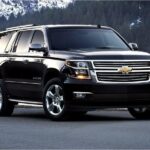
You travel in a comfortable air-conditioned SUV or minivan, depending on the group size.
Are national park fees included?
Yes. National park fees for Jasper, Yoho, and Banff are included.
If I choose the camping option, what sleeping gear do I need?
Camping includes the necessary equipment except your sleeping bag and travel pillow. You must bring your own or arrange to buy/rent one during the trip.
How do meals work, and what is the meal charge?
Meals are not included in the base price. Breakfast, lunch, and dinner are provided on most days, but you pay an additional meal charge at the beginning of the trip: $100 per person for camping guests and $50 per person for lodging guests.
Are optional activities included?
No. Optional excursions like canoeing on Lake Louise, a helicopter flight over the Columbia Icefield, and biking in Jasper National Park are available for an extra cost.
What languages are available for tour commentary?
Live commentary is in English, and there is a free downloadable app with full tour commentary in French, German, Spanish, and Italian.
What is the cancellation policy?
You can cancel up to 56 days in advance for a full refund. If you cancel less than 56 full days before the experience’s start time, the amount paid is not refunded.