REVIEW · SEATTLE UNDERGROUND TOURS
Seattle: Guided Underground Walking Tour
Book on GetYourGuide →Operated by Beneath the Streets · Bookable on GetYourGuide
Seattle has a second street level.
Under Pioneer Square, you’ll follow a guide through underground passageways built in the 1890s, then piece together how Seattle survived the Seattle Fire and rebuilt in a tough swampy setting. The story isn’t dusty either. It’s practical, human, and full of cause-and-effect, from what burned to what got rebuilt right afterward.
I especially love two things about this tour. First, you get real context for why the street level looks the way it does today, including the decision to raise streets out of the swamp. Second, the guides bring the material to life in a way that feels like conversation, not lecture. Names that show up again and again in guide praise include Ritchie, Patti, Sarah, Mike, Imogen, Jennifer, Eowyn, and Richard Z.
One consideration: this is a stairs-heavy tour. There are six flights of stairs along the route, and there’s no elevator access, so plan accordingly if stairs are hard for you.
In This Review
- Quick hits before you go
- Pioneer Square’s Underground: What You’ll Walk Through
- The 1890s Passageways and the Seattle Fire Story
- Why Seattle Raised Its Streets Out of Swampy Ground
- How the Tour Flows Under and Around Pioneer Square
- Stair Reality: Comfortable Shoes and No Elevator
- Price and Value: Is $31 Worth One Hour Underground?
- Who Should Book Beneath the Streets?
- Should You Book This Underground Walking Tour?
- FAQ
- Where do I meet for the Seattle guided underground walking tour?
- How long is the tour?
- What does the tour include?
- What will I see during the tour?
- What is the price per person?
- Are there elevators or step-free access?
- Is the tour indoors only?
- Can I bring a pet?
- What should I wear or bring?
- Is this tour suitable for people with mobility impairments?
Quick hits before you go
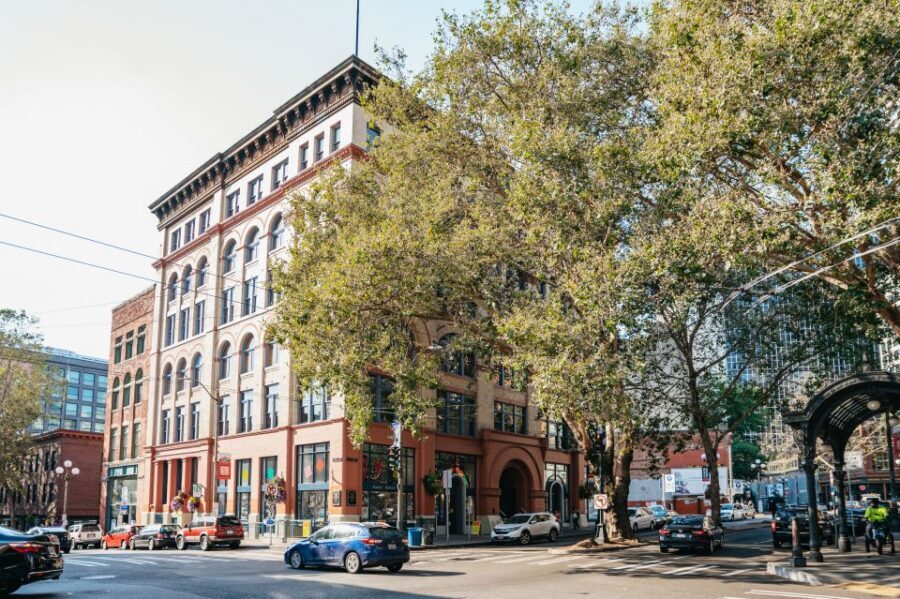
- Three 1890s passageways under Pioneer Square, with a guide walking you through what you’re seeing
- Seattle Fire backstory explained with the city’s rebuilding decisions in mind
- Street level raised several feet: you’ll hear why and how that change happened
- About 4+ blocks worth of walking underground (and some outdoor bits)
- Six flights of stairs, with no elevator access
- Beneath the Streets meets under Cherry Street Coffee shop—look for the black and purple sign
Pioneer Square’s Underground: What You’ll Walk Through
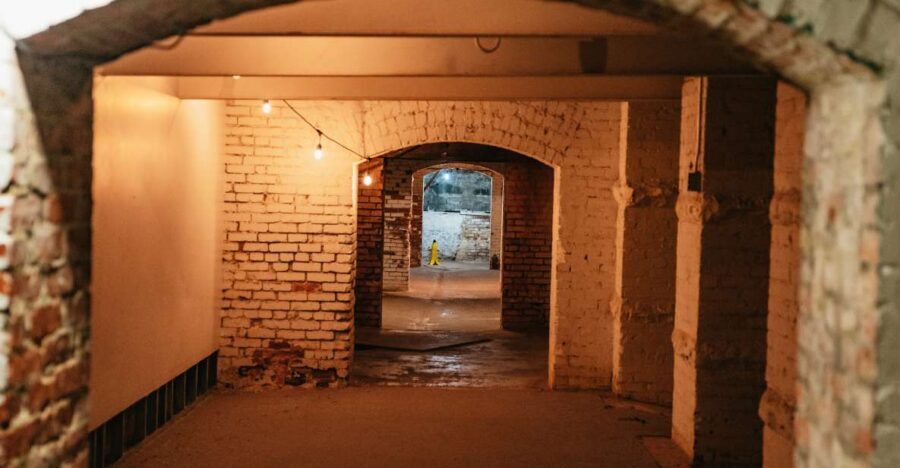
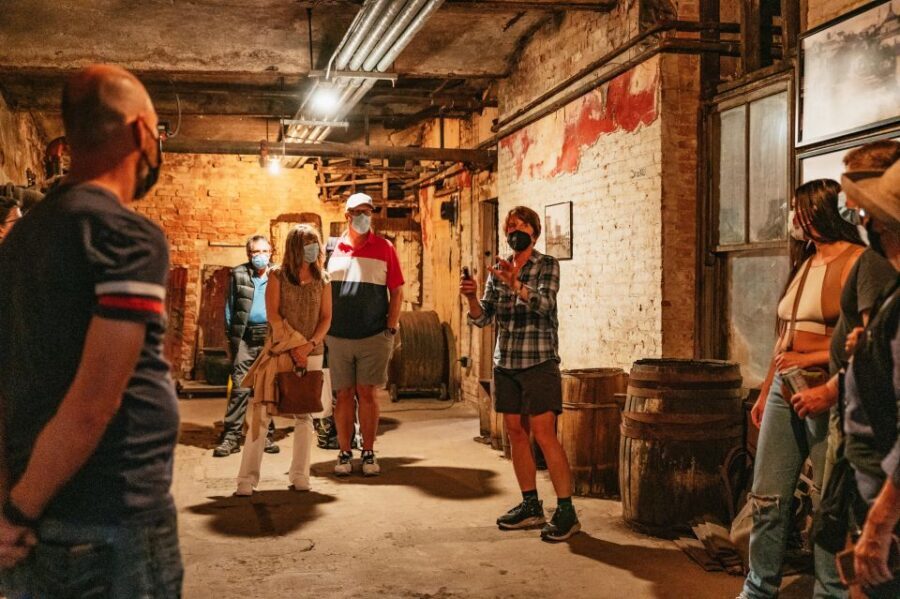
This tour is built around one idea: Seattle didn’t start at the street level you see now. Beneath Pioneer Square, there’s a whole layer of the city that came first—older passageways and pathways created in the 1890s—and then got partially covered when the city changed course.
The route is guided, and you’ll cover over 4 city blocks while moving through three separate underground passageways. Even if you’ve heard the phrase Seattle underground before, the value here is how the guide connects the physical spaces to the events that shaped them. You’re not just looking at old walls. You’re learning why the city got layered over time.
You’ll also be reminded that this area is still Seattle. The tour isn’t only underground. It’s described as outside and underground, which matters because you’ll dress for Seattle weather and be ready for short stretches outside even though the main story happens below street level.
Other Seattle tours we've reviewed in Seattle



The 1890s Passageways and the Seattle Fire Story
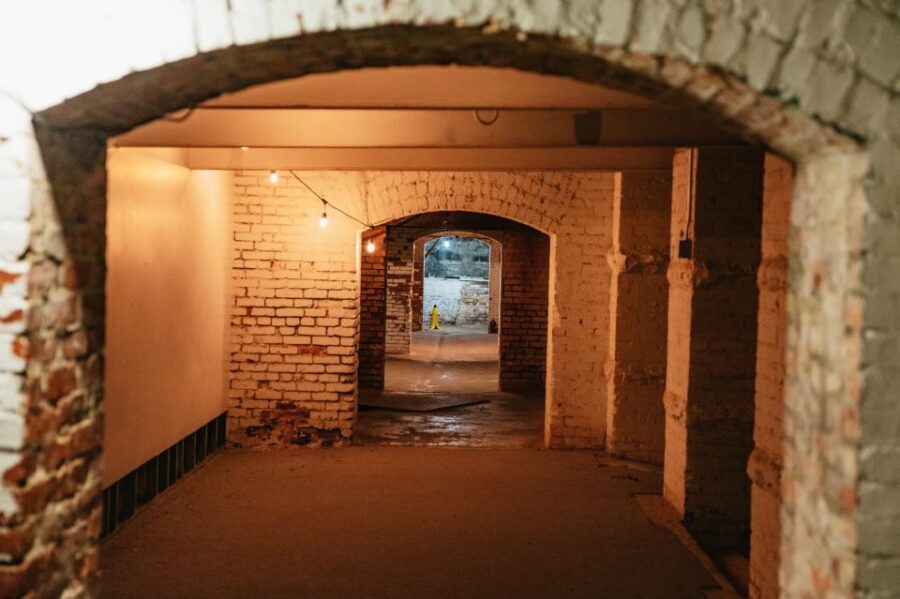
The heart of the tour is simple: you walk through the older underground passageways and let the guide narrate how Seattle’s early growth turned into crisis and then rebuilding. The passageways date to the 1890s, so you’re seeing structures that were already built when Seattle was still finding its footing.
The Seattle Fire portion is especially useful for first-timers because it turns the history from “big tragedy” into something you can visualize. The guide explains how major destruction reshaped what came next, and how rebuilding wasn’t just about putting things back. It was about changing the foundation and the street plan so the city could function differently going forward.
What I like most is that the tour ties together three things that are often treated separately in other Seattle storytelling: early settlement, disaster, and engineering choices. Guides like Patti and Sarah are praised for bringing energy and clear storytelling, which helps the fire and rebuilding sequence feel logical rather than overwhelming.
Why Seattle Raised Its Streets Out of Swampy Ground
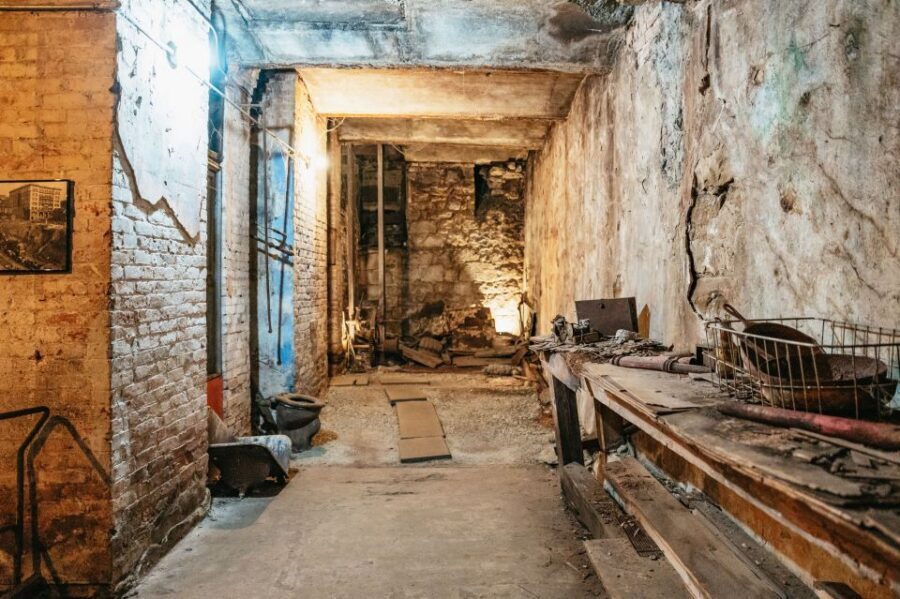
If Seattle had a design problem at the start, it was the ground itself. The tour explains the decision to raise the city streets out of the swampy grounds, and that single choice is why the underground exists at all.
Here’s what’s practical for you to know: when the street level rises, older pathways don’t vanish. They get left behind. The tour shows you where retaining walls were added alongside the streets and then filled in to create new roads several feet above the original levels.
So instead of treating the underground as a quirky detour, you’ll understand it as part of Seattle’s real growth strategy. It’s urban planning you can see. It also gives you a better eye for Pioneer Square above ground, because you start noticing the way the area is arranged—like the city’s history is still reflected in the layout.
How the Tour Flows Under and Around Pioneer Square
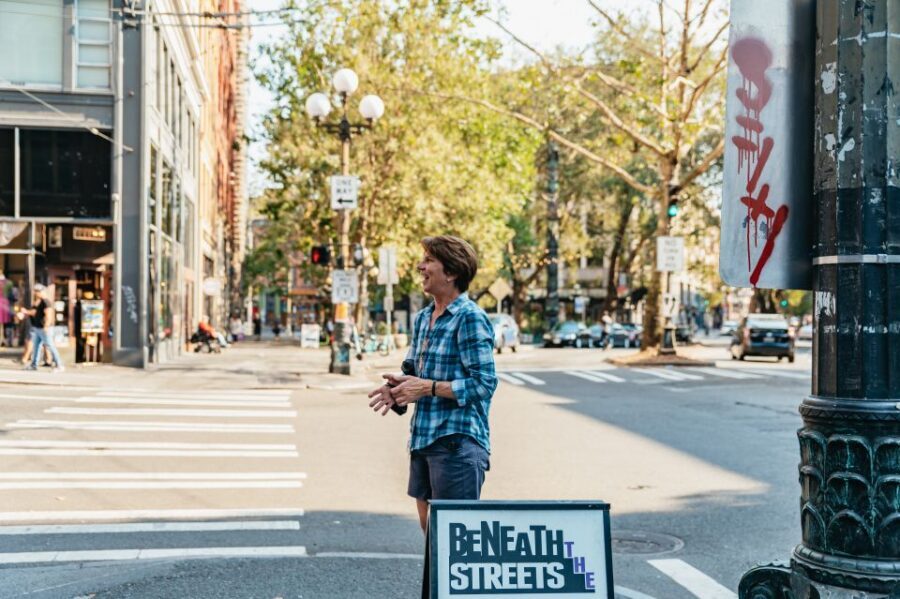
This is a tight one-hour experience with a straightforward rhythm. You’ll start at a very specific spot, then head down to begin the story.
Meeting point: the tour starts underneath the Cherry Street Coffee shop. Look for the black and purple Beneath the Streets sign, then take the stairs down to the reception desk. The tour ends back at the meeting point, so you don’t have to worry about getting lost on the way out.
Once you start, you’ll follow the guide through a sequence that makes sense: you’ll move through the passageways, then the guide connects each section to the larger story of how Seattle formed and why things ended up layered under today’s streets. Along the way you’ll hear about what the city faced as it developed, including the Seattle Fire and the rebuilding decisions that followed.
The route includes both underground segments and some outdoor walking. That’s why timing and weather matter. If it’s raining, you’ll still be moving, so bring footwear you trust and expect a mix of surfaces.
Stair Reality: Comfortable Shoes and No Elevator
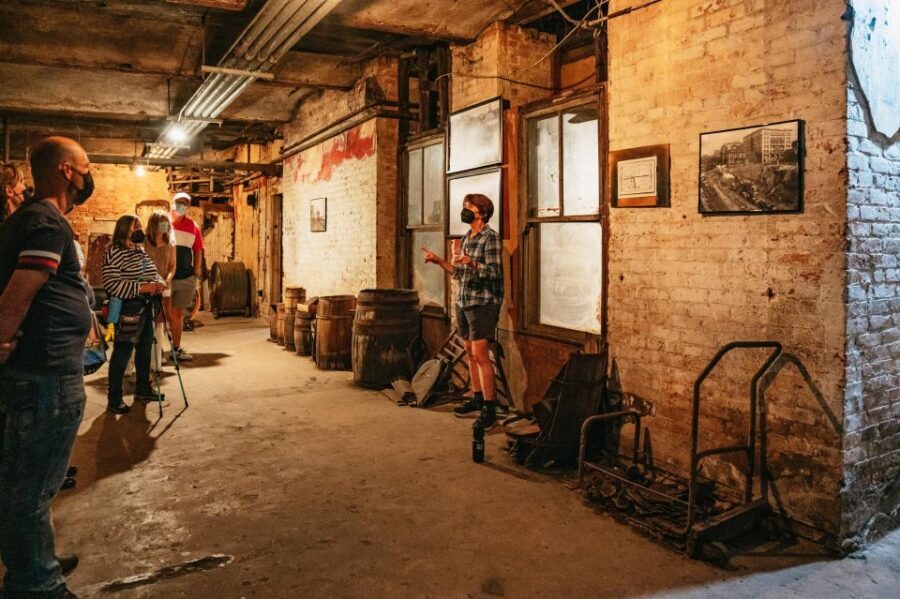
Let’s be upfront. This is not a stroll you can do if stairs are a problem. The tour has six flights of stairs along the route and no elevator access. That’s a major factor because you’ll be going down and up several times, and the underground parts depend on getting to specific levels.
The good news is that the tour team gives you options for strollers: you can have them carried up and down stairs or stored in the ticket office for the tour duration. That doesn’t solve everything for mobility limitations, but it’s a real note of practicality.
What should you bring? The tour advice is simple: comfortable shoes. I’d treat that as a non-negotiable. Wear something grippy and broken-in. If you’re prone to sore feet, consider short ankle support, because you’ll be on your feet for the full hour with repeated stair use.
If you have mobility impairments, the tour is not suitable based on the stated accessibility limits. If you’re close to the edge of being able, I’d still think twice. The route is built around stairs, not ramps.
Other Seattle underground tours we've reviewed in Seattle


Price and Value: Is $31 Worth One Hour Underground?
At $31 per person for about one hour, this tour sits in the “small cost, big story” category. You’re paying for guided access to a part of the city that most people never see up close—and for the guide work that turns architecture and city planning into a clear narrative.
For value, the key isn’t just the underground factor. It’s the combination:
- You get three historic passageways from the 1890s
- You get a Seattle Fire explanation tied to what changed afterward
- You get the “why” behind today’s Pioneer Square street level, including retaining walls and filling
- You get a live guide—people like Mike and Imogen are praised for energy and staying engaged through the whole route
One hour can feel short, but the positive side is focus. The tour is paced so you don’t end up lost in a long crawl. There’s plenty of material here, though. One neat detail from guide-style praise: some guides keep listeners close to the group because the stories are easy to follow and fun to hear.
If you’re the type who likes learning how cities actually work—how disasters and engineering choices shape street plans—this price feels fair for the access you get.
Who Should Book Beneath the Streets?
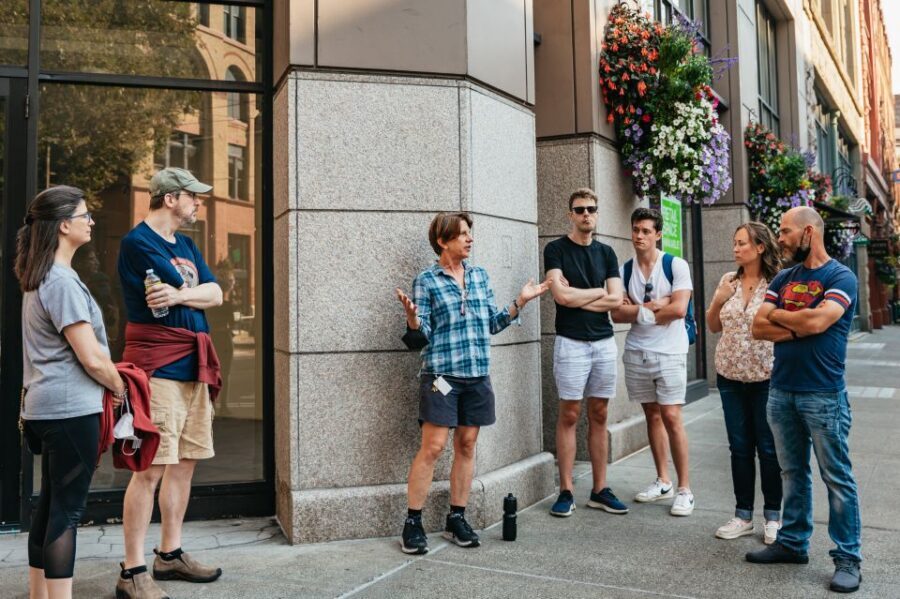
This tour is a strong match for people who want Seattle history that feels physical. If you enjoy walking-based history tours and want the kind of explanation that helps you picture what changed over time, you’ll likely like this.
It’s also a good fit if you’re traveling with teens and want a story that mixes tragedy with problem-solving and real-world engineering decisions. Several guides are praised for balancing humor with clarity, including Richard Z. and Jim, which suggests the tour often works well for mixed ages.
You should think twice if:
- You can’t handle six flights of stairs
- You need an elevator route
- You’re bringing a stroller that you’re not able to manage with carrying or storage
And if you have pets, note that pets aren’t allowed.
Should You Book This Underground Walking Tour?
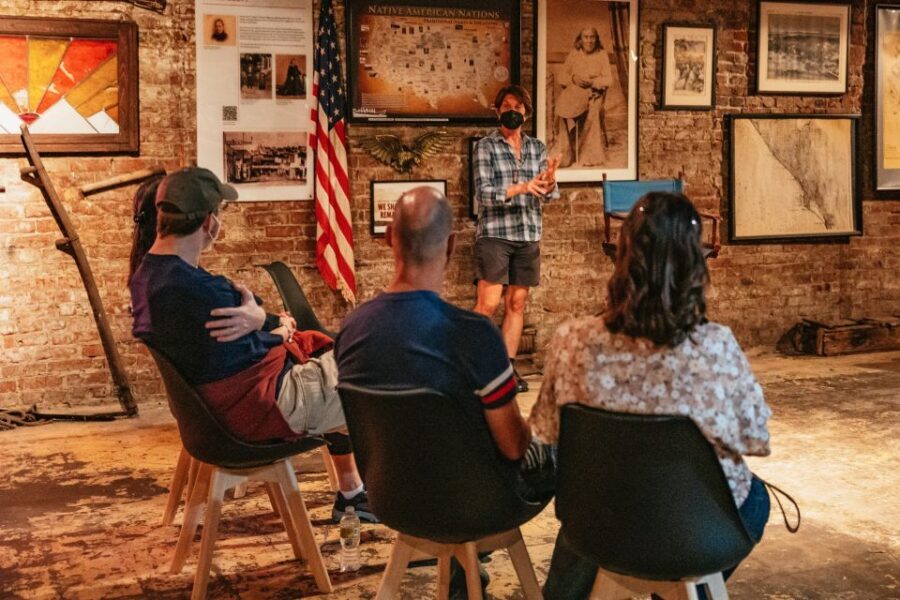
Yes—if you’re comfortable with stairs and you want a one-hour, guided look at how Seattle became layered under itself. The best reason to book is the clarity: you’ll connect the 1890s underground passageways, the Seattle Fire, and the decision to raise street level into one story you can walk through.
My advice: wear your most reliable walking shoes, plan for weather since parts are outside, and go in ready to pay attention to details of how the city was rebuilt. If stairs are a dealbreaker, skip this one and look for a different Seattle history option with better accessibility.
FAQ
Where do I meet for the Seattle guided underground walking tour?
You’ll meet underneath the Cherry Street Coffee shop. Look for the Beneath the Streets black and purple sign, then take the stairs down to the reception desk.
How long is the tour?
The tour duration is listed as 1 hour.
What does the tour include?
It includes a live guide and a walking tour.
What will I see during the tour?
You’ll explore underground passageways beneath Pioneer Square, including three underground passageways originally constructed in the 1890s. You’ll also learn about the Seattle Fire and the rebuilding decisions that raised the city streets.
What is the price per person?
The price is listed as $31 per person.
Are there elevators or step-free access?
No. There is no elevator access, and there are six flights of stairs along the tour route.
Is the tour indoors only?
No. It’s described as both outside and underground.
Can I bring a pet?
Pets are not allowed.
What should I wear or bring?
Bring comfortable shoes.
Is this tour suitable for people with mobility impairments?
It is not suitable for people with mobility impairments due to the stairs and lack of elevator access.