REVIEW · MT RAINIER DAY TOURS
Mt. Rainier National Park Highlights Tour
Book on Viator →Operated by Customized Tours · Bookable on Viator
Rainier can feel bigger than the photos.
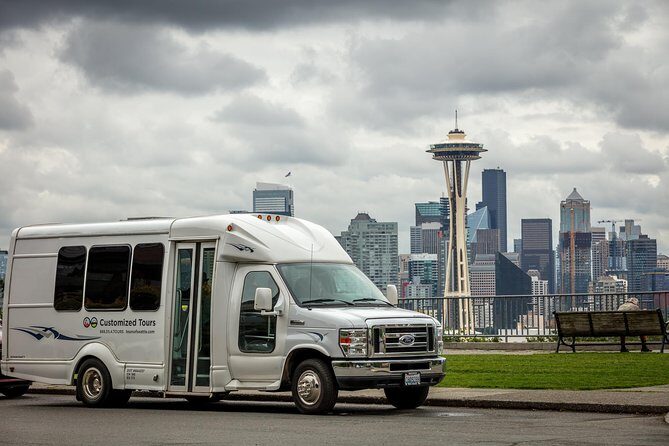
This full-day Mt. Rainier National Park highlights tour is built for first-timers: you skip the stress of driving and parking, and you get a narrated ride that lines up the best stops when conditions allow. What I like most is that the guide turns the long day into a story, with explanations about the park and the volcano as you move from spot to spot. It also runs as a small group day trip with pickup from select Seattle and airport hotels.
I also love the way the itinerary stacks photo-worthy water and elevation: you walk to Narada Falls and then head up toward Paradise at 5,400 feet. Even on rainy or foggy days, the day’s pace keeps you moving, with short hikes and viewpoints instead of long stretches of sitting on a bus. A possible drawback is that this is weather-dependent, and winter access (especially around Paradise) can change based on road conditions, so plan with layers and flexibility.
If you want a predictable checklist of exact stops no matter what, this isn’t that kind of tour. If you show up ready for weather and road changes, it’s a great way to experience Mt. Rainier without a rental car.
In This Review
- Key highlights to know before you go
- Seattle pickup and the 7:20 am reality check
- Your guide makes or breaks the day (and the guides here get praised)
- The drive past lakes and waterfalls: where the narration earns its keep
- Longmire Museum: short time, useful context
- The Trail of the Shadows: a small hike with big meaning
- Longmire village area: viewpoints and quick rest breaks
- Christine Falls and Narada Falls: the two waterfall experiences that bookends your day
- Christine Falls viewpoint (fast and photogenic)
- Narada Falls (walk the Nisqually River)
- Paradise Valley at 5,400 feet: this is the payoff (when access allows)
- The winter access note you must respect
- Winter snowshoe option
- Twin Firs Loop: the old-growth walk that feels quietly epic
- Reflection Lakes: iconic mirror shots, if the air cooperates
- Summer-only swaps: Sunrise Visitor Center and Tipsoo Lake Loop
- Sunrise Visitor Center
- Tipsoo Lake Loop
- What to pack for a day that mixes cold, rain, and elevation
- Budget reality: you’re paying for the day, but food is extra
- How active is this tour? (You’ll walk, but it’s not a climbing day)
- Who should book this Seattle-to-Rainier highlights tour?
- Should you book it?
- FAQ
- What time does the tour start, and when will I be picked up?
- How long is the Mt. Rainier highlights tour?
- What is included in the ticket price?
- Are lunch and drinks included?
- Is Paradise Valley accessible during winter?
- Is snowshoeing included in winter?
- What happens if the weather is poor?
- How many people are on the tour?
Key highlights to know before you go
- Small-group day trip (max 24 travelers) that keeps you from feeling lost or swallowed by a crowd
- Short, purposeful walks at Narada Falls, forest areas, and old-growth stops
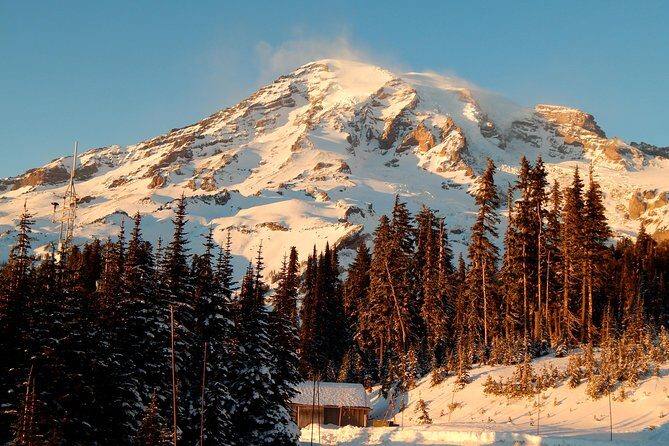
- Big-view payoff at Paradise when roads and visibility cooperate
- Guide-led routing that can swap stops based on weather and access
- Winter option for snowshoeing when conditions allow at higher elevations
- Historic and offbeat photo detours if unexpected road closures push the route
Seattle pickup and the 7:20 am reality check
This tour is timed for the best daylight and easiest driving windows. The scheduled start time is 7:20 am, and your pickup happens before that window—your pickup time begins sooner than 8 am depending on your hotel location, so don’t plan a late breakfast.
Why this matters: Mt. Rainier is far enough from Seattle that later starts can mean fewer choices once the park gets busy or roads get complicated. A morning departure also helps you get better chances at clearer sky if you’re traveling in seasons when weather can roll in fast.
Other Mt Rainier day tours we've reviewed in Seattle
Your guide makes or breaks the day (and the guides here get praised)
The tour includes a professional guide, and the whole concept is that you’re not just riding around with a map app. Guides have been recognized for staying organized, answering questions calmly, and adapting the route when the weather isn’t playing nice.
You’ll often see guides like Lucas, Cory, James, Joel, and Kevin mentioned for different strengths—Lucas is repeatedly tied to detailed storytelling and smart decision-making, Cory to humor and group connection, and James to patient, responsible guidance. One consistent theme in these successful days: the guide doesn’t just announce stops; they explain what you’re looking at and why it’s here.
Practical takeaway for you: if you care about seeing the most in limited time, pick the tour where the guide can adjust on the fly. This is exactly that kind of day trip.
The drive past lakes and waterfalls: where the narration earns its keep
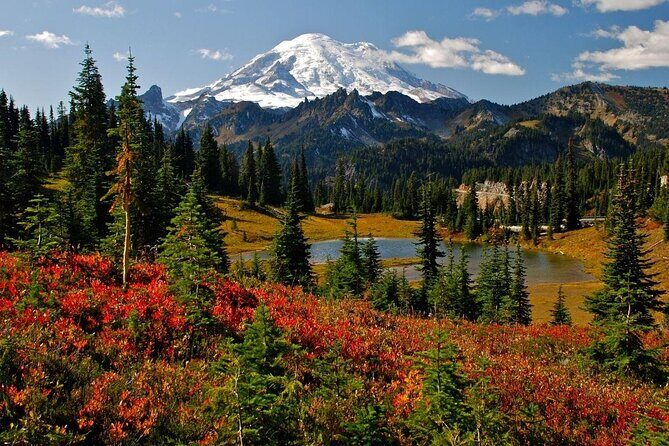
You’ll spend a lot of the day in the vehicle (it’s a 10 to 12 hour experience overall), but it’s not dead time. Expect a scenic, narrated drive that passes lakes, waterfalls, and historic areas on the way into the park.
Stops can vary based on weather and road conditions, and this tour has a smart built-in idea: if roads are unexpectedly closed inside the park, you’ll make a detour stop in a nearby town area. One example of what can show up on that kind of detour includes the Hobo Inn, a historic Lutheran Church, the Mt. Rainier Scenic Railroad, and even the famously odd local roadside sights (like the biggest sasquatch you’ve ever seen).
That detour might sound random, but it actually helps you get two wins:
- it keeps the day moving instead of getting stranded
- it adds personality and variety to what could otherwise be only a drive-and-hike loop
Longmire Museum: short time, useful context
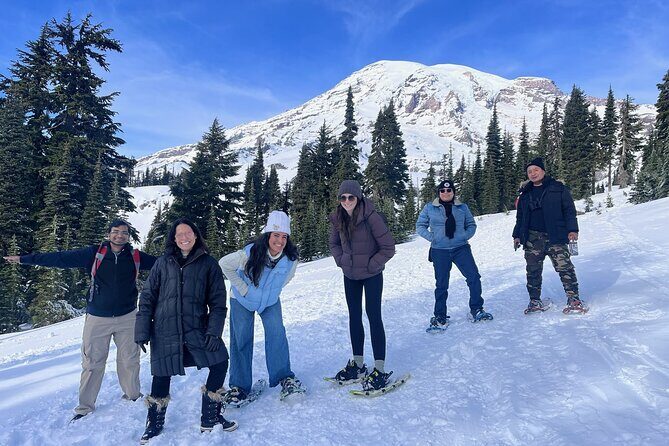
Longmire is a great starting point because it gives you context before the elevation ramps up. At Longmire Museum, you get about 15 minutes, and you’ll see animal exhibits, Native American history and stories, pioneer information, volcanology details, and a transportation exhibit. Park admission is included, and this is usually a quick, easy stop—no big commitment needed.
What I like about this part for your trip planning: even if you’re just there for the photos, this museum stop helps you understand the glacier-and-volcano story behind Mt. Rainier’s dramatic features. It also gives your legs a gentle transition from bus-seat to walking.
The Trail of the Shadows: a small hike with big meaning
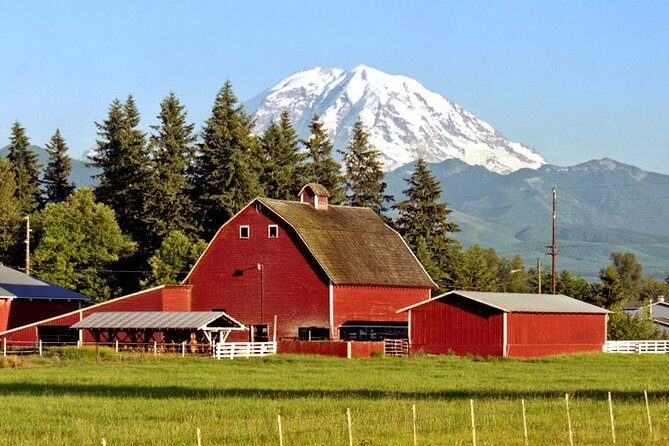
Next up is Trail of the Shadows. The scheduled time is around 30 minutes, and it’s described as a walk through a 2nd-growth forest area, with history that can connect to geothermal features like hot springs (and the exact details can shift with road and weather conditions).
This is the kind of stop that makes you feel like you’re inside the park, not just outside it. If you’re traveling with kids or anyone who prefers light hikes, this is a good place to get moving without overtaxing the group.

Longmire village area: viewpoints and quick rest breaks
There’s also a longer look around Longmire itself with about 45 minutes. Depending on what’s accessible that day, you’ll find optional viewpoints, a gift shop, and lodge time, plus access to the suspension bridge area tied to the Trail of the Shadows route.
One small drawback: since Longmire time can include optional viewpoints and walking routes, people who move at different speeds will naturally spread out a bit. The good news is the tour format keeps you from worrying about getting lost—the group and guide are easy to follow.
Christine Falls and Narada Falls: the two waterfall experiences that bookends your day
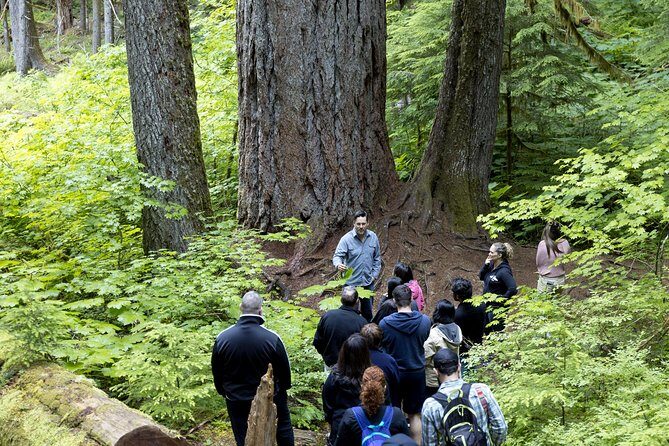
If I had to pick the “waterfall duo” of the day, it’s Christine Falls and Narada Falls.
Christine Falls viewpoint (fast and photogenic)
Christine Falls is a roadside stop with about 10 minutes. The viewpoint is known for being framed by a stone bridge, which makes your photos easier than trying to hunt for angles in a hurry.
The main consideration: because it’s off the road and time is short, it’s not a long-form nature walk. It’s best for quick photos and a quick reset before the longer Narada hike.
Narada Falls (walk the Nisqually River)
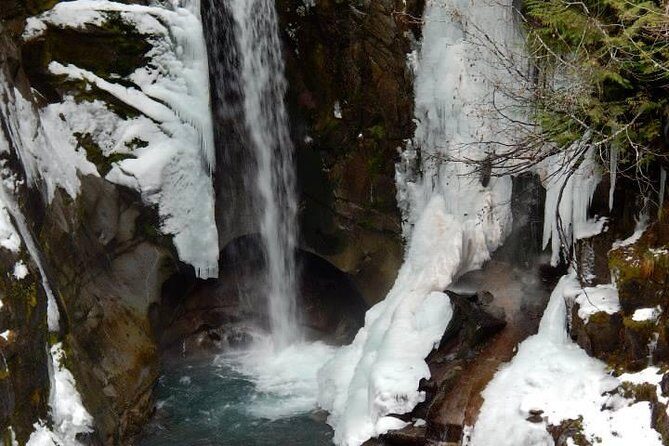
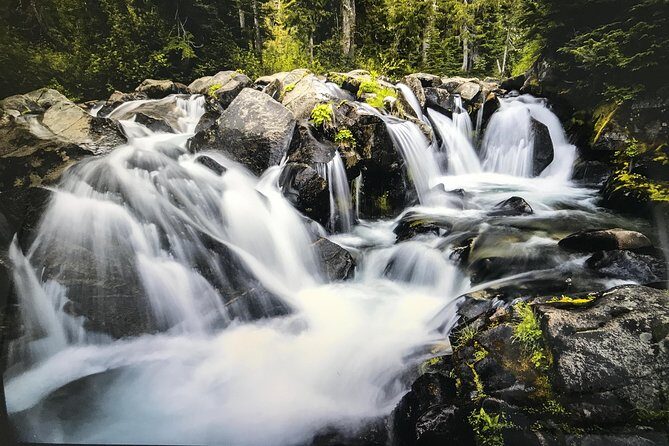
Narada Falls is the big one people remember. The itinerary builds in about 20 minutes at Narada Falls, and the route includes a walk along the Nisqually River up to the falls.
Why it’s worth the effort: the walk gives you time with the river and forest before the waterfall reveal. And Narada is widely considered the most popular waterfall in the park, so you should expect it to be a core photo stop even on busy days.
Paradise Valley at 5,400 feet: this is the payoff (when access allows)
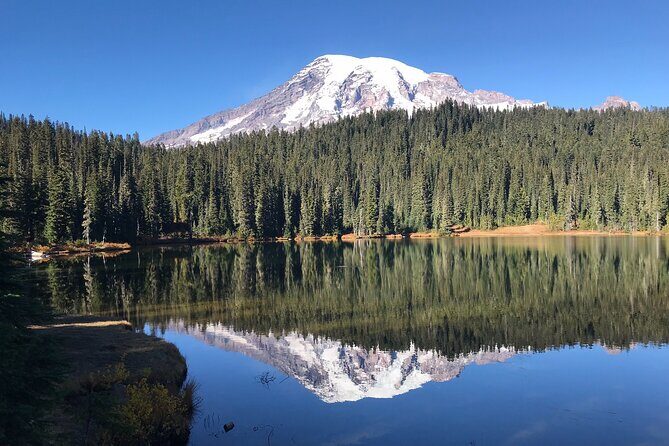
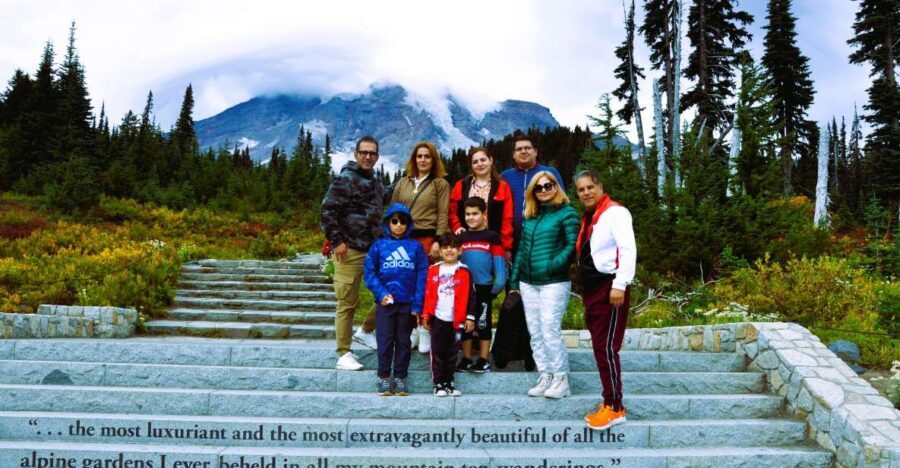
Paradise is the headline for a reason. You’ll spend about 2 hours here, and it’s widely treated as the day’s most dramatic visual moment because you can look out over the valley with Mt. Rainier high in the frame.
This is also where you’re likely to buy lunch. In winter and shoulder seasons, food options can be limited, so having time at Paradise is a practical advantage—you’re not scrambling at the last minute.
The winter access note you must respect
Starting November 12, Paradise access during winter months is only described as Friday through Monday, depending on road conditions. Translation for you: if you’re traveling Tuesday–Thursday in winter and Paradise is a must-see, you should double-check your specific day’s plan with the operator and be ready for a substitute itinerary.
Winter snowshoe option
During wintertime, there’s an optional snowshoe adventure possible if conditions allow. Even on days without snowshoeing, Paradise’s alpine meadow setting can still be a memorable high-elevation change of pace.
If you’re booking for the snow version, come prepared for active movement, cold air, and variable trail conditions.
Twin Firs Loop: the old-growth walk that feels quietly epic
After the higher-elevation moment, you’ll shift back to forest scale at Twin Firs Loop Trail. It’s about a quarter-mile loop, scheduled around 30 minutes, and it’s described as a “tree huggers dream” with old-growth forest and giant trees that can be hundreds of years old.
This is one of my favorite “how the park works” stops for people who think they only want views. Rainier isn’t just dramatic because of altitude. The forest also has a mood—cool, quiet, and thick with life.
Reflection Lakes: iconic mirror shots, if the air cooperates
Reflection Lakes typically gives you a classic Mt. Rainier reflection scene when there’s little wind. The stop is about 15 minutes and is seasonal, excluding winter time.
Practical tip: plan for the possibility that your reflection photos won’t look like a postcard. If the wind is up, the mirror effect goes away fast. Still, even with imperfect reflections, this is a good short stop for the composition and the chance to see Mt. Rainier framed from the lakeshore.
Summer-only swaps: Sunrise Visitor Center and Tipsoo Lake Loop
If you visit in the summer months, your route might include optional rare stops that can replace parts of the regular day.
Sunrise Visitor Center
Scheduled around 1 hour, Sunrise Visitor Center is described as only available during summer months. It can replace the Paradise stop depending on the itinerary date, and it’s noted that not every guide offers it. The road is also described as bumpy.
Tipsoo Lake Loop
Tipsoo Lake Loop is also described as a summer-only option, with a 30 minute stop. It’s not guaranteed and is determined by the guide.
The value for you: these swaps can add variety if you’re making a multi-trip trip to the region. If you’re only in town for one day, Paradise plus the waterfall loop is still the safest core plan.
What to pack for a day that mixes cold, rain, and elevation
This is a long outing, and conditions change fast in the Cascades. The guidance is clear: dress in layers and wear comfortable walking shoes—waterproof hiking shoes are preferred, and in winter boots are best. Bring an extra pair of socks.
If you’re traveling in Nov–Jun, assume snowy conditions and pack accordingly. Also, expect that you’ll be outdoors for multiple short periods, so it’s better to have gear that works for wet ground and changing temperatures.
Budget reality: you’re paying for the day, but food is extra
The price is $150 per person, and it includes a lot of practical stuff:
- professional guide
- pickup and drop-off from select Seattle and airport hotels
- air-conditioned, fully insured commercial bus transport
- park admission fees
That’s good value if you’d otherwise pay for a rental car, gas, and parking, especially during peak seasons.
Food and drinks are not included, and the tour notes a typical budget of $20 per person. In mid October through April on weekdays, there are limited food services in the park, and you may have the chance to purchase food en route. In some guided days, a grocery stop can be a lifesaver when on-site options are thin, and guides may also help with storage like coolers and water planning.
My suggestion: treat lunch as flexible. If you’re visiting in shoulder or winter seasons, plan to spend less time hunting and more time eating, and come with snacks you’re comfortable with.
How active is this tour? (You’ll walk, but it’s not a climbing day)
This isn’t a sit-straight-through-the-bus tour. You’ll have several short walks and hikes:
- Narada Falls walk along the river
- Twin Firs Loop through old-growth
- Trail of the Shadows hike segment
- optional snowshoeing in winter at Paradise
That said, the hikes are described in short time blocks, and some days include off-route viewpoints that let you adjust pace. One important consideration: your exact route can vary with weather and road closures, so your day might feel more hike-heavy or more viewpoint-heavy depending on what’s open.
If you have physical limitations, choose your shoe and sock strategy carefully, and talk to the guide during pickup about what pace you can handle.
Who should book this Seattle-to-Rainier highlights tour?
I’d point you here if you want:
- a guided day trip from Seattle without rental-car logistics
- the classic core stops like Narada Falls and a big moment at Paradise
- short walks plus viewpoints instead of long, strenuous hikes
- a guide who can adapt when weather shifts
I might suggest a different approach if you want total control over timing, you’re set on a specific snowshoe trail regardless of conditions, or you dislike itinerary changes driven by road access.
Should you book it?
If your priority is seeing the best of Mt. Rainier in one long day with a guide who can adjust to reality, I think this is a strong booking. The $150 price works because the heavy lifting—transport, park admission, and planning—is already handled, and you get structured stops rather than an open-ended self-drive guess.
Just go in knowing the day is weather-dependent, and Paradise access in winter follows a schedule tied to road conditions (Friday–Monday starting November 12). If you pack for the cold and stay flexible about exact stops, you’ll likely come away with the kind of Rainier day you remember for years.
FAQ
What time does the tour start, and when will I be picked up?
The tour start time is 7:20 am. Pickup begins sooner than 8 am, and the exact pickup time depends on which select Seattle or airport hotel you’re staying at, so you should confirm your hotel location is within the pickup zone.
How long is the Mt. Rainier highlights tour?
The duration is listed as 10 to 12 hours, depending on conditions.
What is included in the ticket price?
The tour includes a professional guide, pickup and drop-off from select hotels, transportation by air-conditioned fully insured commercial bus, live phone support during business hours, and Mt. Rainier park admission fees.
Are lunch and drinks included?
No. Food and drinks are not included, and the tour notes a variable cost of about $20 per person depending on what you choose.
Is Paradise Valley accessible during winter?
Starting November 12, Paradise access during winter months is only described as accessible Friday through Monday based on road conditions. You should plan around that schedule if Paradise is a priority.
Is snowshoeing included in winter?
Snowshoeing is described as optional during wintertime if conditions allow, particularly around the Paradise area.
What happens if the weather is poor?
This experience requires good weather. If it is canceled due to poor weather, you’ll be offered a different date or a full refund. If you cancel for reasons other than the park closing, the standard cancellation window applies.
How many people are on the tour?
The tour has a maximum group size of 24 travelers.