REVIEW · CYCLING TOURS
Bike Tour Seattle. 5 star Electric Bike Tour Seattle’s waterways
Book on Viator →Operated by Seattle Rider Tours · Bookable on Viator
Seattle by bike beats the usual skyline loop. On this 3-hour electric ride, you get sweeping water-and-mountain views plus the working edges of town, not just postcard stops.
I especially like the Bluetooth helmet intercom style communication, which keeps the ride smooth and the narration clear. I also love that the route is built around real waterfront moments, from Ballard Locks to the boats at Fishermen’s Terminal.
One thing to think through: it’s not really for people who don’t want to ride. You’ll need to be comfortable operating the e-bike, and the minimum age to operate is 16.
In This Review
- What makes this Seattle e-bike tour worth your time
- Riding Seattle’s waterways in 3 hours (no car required)
- Meeting point and timing: how the ride usually feels
- Sunset Hill Park: seals, ferries, and the Sound laid out for you
- Ballard and the locks: botanical gardens and a working “fish elevator”
- Fishermen’s Terminal: riding right to the docks and the Alaska fleet
- Wallingford stop and Gasworks Park: the city view you can pedal to
- The e-bike setup and how first-timers handle it
- Guides: David and Joe set the tone
- Value: is $126 for 3 hours a smart deal?
- Who this tour suits best (and who should skip it)
- Should you book this Seattle waterways e-bike tour?
- FAQ
- How long is the electric bike tour?
- How much does the tour cost?
- Where does the tour start?
- Is the tour offered in English?
- Do I need prior experience riding an electric bike?
- What is the minimum age to operate the electric bike?
- Is the tour recommended for non bike riders?
- How big is the group?
- What happens if weather is bad?
- Are service animals allowed?
What makes this Seattle e-bike tour worth your time
- Sunset Hill Park viewpoints for Olympic Mountains, West Point Lighthouse, and ferries across the Sound
- Ballard Locks + Carl English Botanical Gardens, with fish ladder viewing and wildlife sightings
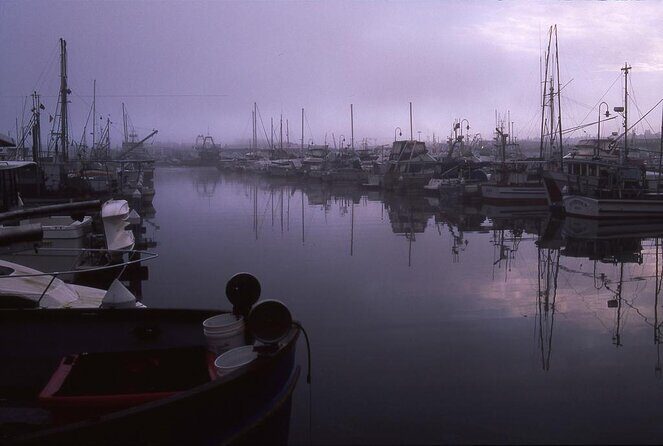
- Fishermen’s Terminal docks, close enough to feel the scale of the working fleet
- Gasworks Park photo time, with old gasification plant structures and big city views
- Helmet intercom with turn-by-turn coordination, great for first-time e-bike riders
- Small group size (max 6) for a more personal pace
Riding Seattle’s waterways in 3 hours (no car required)
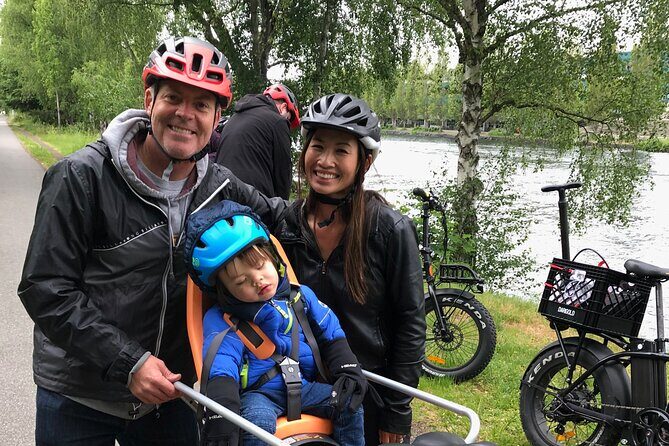
This is the kind of Seattle tour I like: it moves. You cover several neighborhoods without feeling rushed, and the “why” is simple—Seattle is built around water, and the best stories happen right where the water meets industry, wildlife, and parks.
You start near 2356 NW 67th St in Wallingford-ish territory, and you’ll end back at the same meeting point. The bikes are electric, so your legs do the steering and balance while the motor helps with effort. It’s ideal if you want activity and fresh air, but you don’t want to arrive at the next stop sweaty, cranky, and begging for coffee.
The group stays small—maximum of 6 people. That matters more than you’d think. In a tiny group, your guide can slow down for questions, adjust pacing, and keep everyone feeling confident around traffic and busy crossings.
Other Seattle tours we've reviewed in Seattle
Meeting point and timing: how the ride usually feels
The tour runs about 3 hours. That length hits a sweet spot. Long enough to feel like you did something substantial, short enough that you’re still fresh for dinner afterward.
Because the tour is weather-dependent, you’ll want to plan for the possibility of a reschedule if conditions are rough. Clear weather helps a lot—especially at Sunset Hill Park, where the views are described as spectacular when it’s crisp.
You should also know the tour is in English, and you’ll receive a mobile ticket after booking. If you rely on public transportation, this start location is described as being near transit, which is helpful for visitors without a car.
Sunset Hill Park: seals, ferries, and the Sound laid out for you
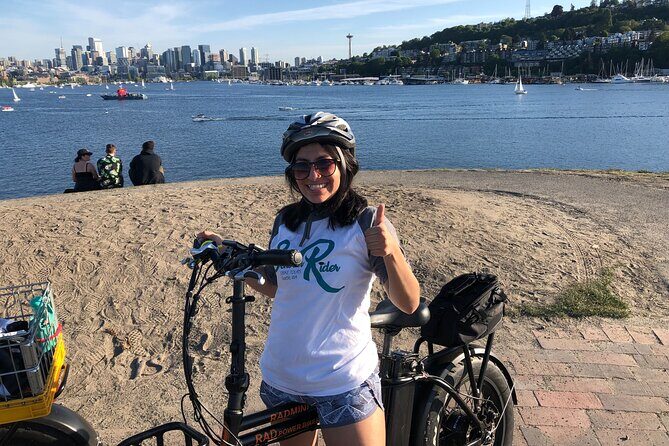
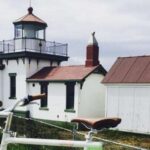
This first stop sets the tone fast. Sunset Hill Park is a water-and-mountain viewpoint, and when visibility is clear, you can see the Olympic Mountains and West Point Lighthouse. You also watch ferries crossing the Sound, which gives the whole experience that “Seattle is moving” feeling.
What I’d plan for here is the sensory part: you’re not just looking—you’re hearing. The guide talks about Seattle in quick, memorable chunks and points out the charismatic creatures that live around the waterways. The tour description specifically includes seals barking, and you may hear cargo and tugboats moving along nearby.
This stop is only about 10 minutes, so don’t expect a long break. Instead, treat it like a viewpoint sprint that pays off. If you arrive with a phone ready for photos and you take a minute to scan the water first, you’ll get a lot out of those few minutes.
Ballard and the locks: botanical gardens and a working “fish elevator”
Ballard is where Seattle’s water story turns into a real mechanism. You ride through the Carl English Botanical Gardens area first, which is a nice pacing change. It’s calmer than the harbor scenes, and it helps you shift gears before you reach the locks.
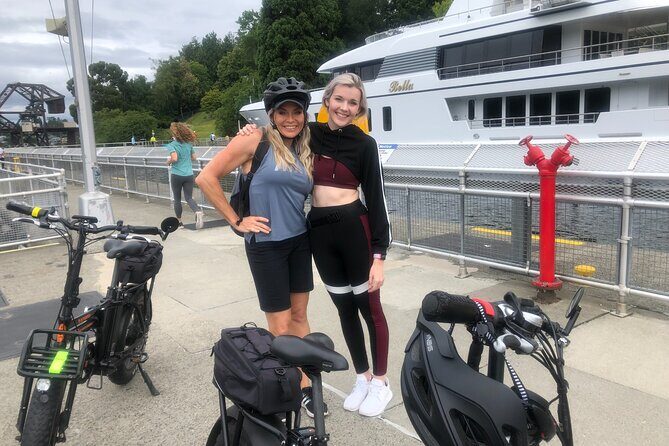
Then you get to the Ballard Locks, which opened in 1917 and connect salt water to the fresh water of Lake Washington. The important idea for you: this isn’t a decorative attraction. It’s a working system—designed for ships and shaped by the life that follows the water.
The locks are described as the busiest lock in the United States. That’s exactly why it’s fascinating on an active ride. You get constant boat movement, plus you’re in the ecosystem where migrating salmon and wildlife show up.
Expect the guide to tie it all together: sea lions and seals, birds like eagles and osprey, and the fish ladder with an underwater viewing gallery. The underwater element is the kind of detail that’s easy to miss if you’re just walking around on your own. On an e-bike tour, you get timing and context, not just a location.
One practical note: this stop is about 20 minutes. So if you love photography, bring a plan. Take wide shots first, then circle back for tighter views when the action is steady.
Fishermen’s Terminal: riding right to the docks and the Alaska fleet
If Ballard is about the water system, Fishermen’s Terminal is about the people. Seattle’s roots run through fishing, and this is the place where you can see that reality up close.
The descriptions here are very specific: you’ll ride the electric bikes all the way down the docks and get right up to the boats. That’s a huge difference from typical sightseeing tours that keep you at a safe distance behind railings.
This part is also where the tour’s Seattle identity gets extra concrete. You’ll see real fishermen and fisherwomen, plus the Alaskan fishing fleet. The tour information also states that 50% of all seafood sold in the United States is associated with this marina, which gives you a scale clue even if you don’t think about seafood supply chains day to day.
Then your guide explains how salmon fishing operates and why Alaskan fishermen spend the off-season in Seattle instead of staying in Alaska. That is the kind of practical story that makes the visuals make sense.
One more small thing I’d take seriously: you’re close to working docks. Even if it’s not loud or chaotic, you’ll want to keep an eye on where you’re rolling and follow the guide’s pacing. This isn’t the place to get distracted and wander.
Other cycling tours in Seattle
Wallingford stop and Gasworks Park: the city view you can pedal to
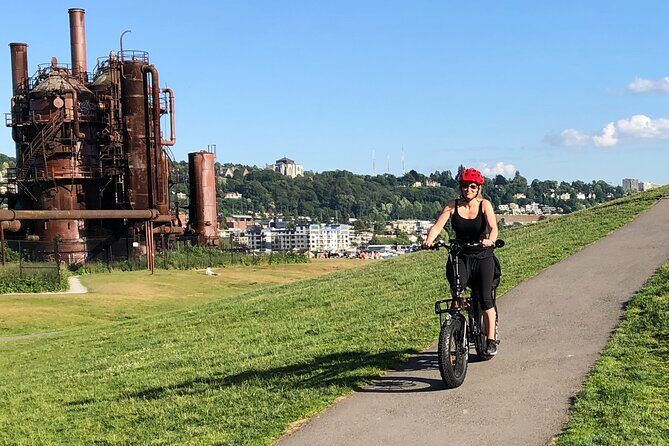
The final major “wow” stop is Gasworks Park in the Wallingford area. The reason this works is simple: it’s scenic without being distant. You’re already in motion, and then you arrive at a place that’s built for views.
Gasworks Park is tied to Seattle’s industrial past. It was a gasification plant, and the old machines still remain, which gives you an instantly recognizable mix of tech history and park space.
The tour highlights picture opportunities and city views, including the Space Needle. There’s also a fun pop-culture touch: your guide will point out the Sleepless in Seattle houseboat. If you don’t care about movie trivia, it still helps as a landmark for orientation.
The stop is about 10 minutes. I’d use that time for a quick loop: one wide shot for skyline context, then a few angles where the park structure frames the view.
The e-bike setup and how first-timers handle it
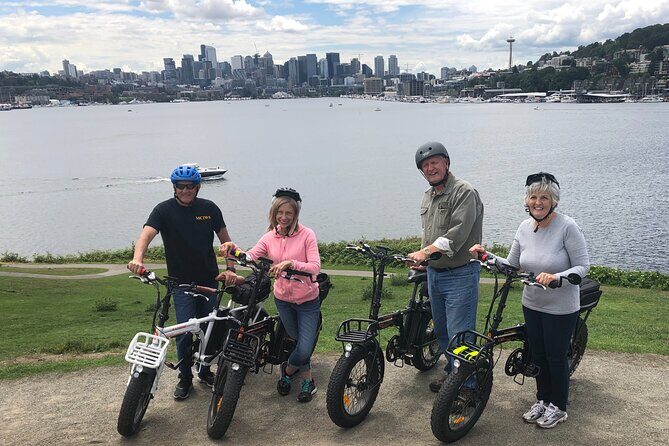
This tour is designed for people who don’t have e-bike experience. You do not need prior electric bike experience, and that’s supported by what people say after they ride.
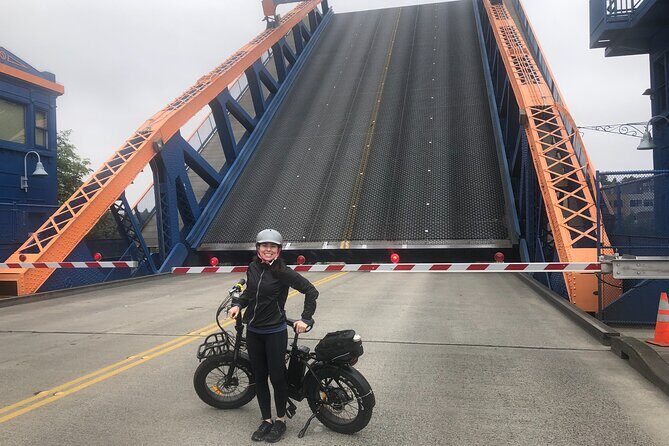
What makes it work in practice is the way the guide handles the start. The first blocks are for learning the basics, and the tour pace keeps it manageable. You’ll have a bag to store belongings, and you should expect helmets with speakers for communication.
One of the most praised parts in the feedback is the helmet intercom setup. You can hear the guide clearly as you ride, which helps a lot when you’re navigating turns and crossing routes. It also makes it easier to ask questions without stopping every two minutes.
The motor assist means hills feel more doable. A few gentle inclines exist, but the whole point is that you’re not wrestling the bike. One rider described learning the difference between assist mode and full drive, and if you’re curious, you’ll likely find you can control how much effort you want to put in.
Safety is also repeatedly mentioned. Guides like David and Joe are described as patient, not rushed, and very focused on keeping everyone feeling steady. If you’ve been nervous about riding in a city, this kind of instruction matters.
Guides: David and Joe set the tone
The tour experience tends to feel “local” because of the guides. David and Joe are both named in the feedback, and each shows a similar style: clear instructions, lots of Seattle context, and a calm approach to safety.
David is described as fun, personable, and attentive to different needs, including help with jackets when it’s chilly. Joe is described as particularly effective for first-time e-bike riders, including seniors with no prior electric bike experience. In both cases, the common thread is pacing—getting people comfortable fast, then letting them look around.
You don’t just get facts. You get a way to interpret what you’re seeing: why the locks matter, what the dock activity represents, and how the wildlife fits into the water story.
Value: is $126 for 3 hours a smart deal?
At $126 per person for about 3 hours, this is not a bargain-basement activity. But it also isn’t priced like a big bus tour either.
Here’s the value equation that makes it feel fair:
- You get a small group (max 6), plus individualized pacing.
- You get e-bike transportation that expands where you can go on your own.
- You get expert narration tied directly to what you’re looking at—water systems, fishing operations, and neighborhood texture.
- You get helmet communication, which reduces confusion and wasted time.
If you like active sightseeing—walking is fine, but biking adds distance and viewpoint access—this is a strong use of your time. If you hate riding or you’re mainly searching for a slow, cafe-and-culture afternoon, you might be happier with a different format.
Who this tour suits best (and who should skip it)
This works especially well for:
- Couples and families who want an outdoorsy Seattle experience without needing strong cycling skills
- People who want wildlife sightings and real waterfront scenes in one morning or afternoon
- Visitors who don’t want to rent a bike and figure out routes on their own
- Seniors and first-timers who want clear instruction and safe guidance
It may not be ideal if:
- You are not planning to ride at all, since the tour is not recommended for non bike riders
- You need a fully sedentary experience, because the tour is built around cycling between stops
- You’re traveling on a day with unreliable weather, since the tour requires good conditions
Also, remember the operating age rule. You must be 16 to operate the electric bike. If you’re traveling with younger kids, the plan would need to match that requirement.
Should you book this Seattle waterways e-bike tour?
I’d book it if you want Seattle in motion—water views, wildlife context, and working docks—without the logistics headache of self-guided biking.
I would think twice only if you strongly prefer being off a bike, or if your schedule is tight on weather. The whole experience is more rewarding when the skies are clear, especially for the Sunset Hill Park viewpoints across the Sound.
For most people looking at Seattle beyond downtown, this is one of the better “use your time wisely” options. You end up with memorable scenes and stories you can actually repeat at dinner.
FAQ
How long is the electric bike tour?
It’s about 3 hours.
How much does the tour cost?
The price is $126.00 per person.
Where does the tour start?
The meeting point is 2356 NW 67th St, Seattle, WA 98117, USA.
Is the tour offered in English?
Yes, it’s offered in English.
Do I need prior experience riding an electric bike?
No prior electric bike experience is required.
What is the minimum age to operate the electric bike?
You must be 16 to operate the electric bike.
Is the tour recommended for non bike riders?
No. It’s not recommended for riders who are not biking.
How big is the group?
The tour has a maximum of 6 travelers.
What happens if weather is bad?
The experience requires good weather. If it’s canceled due to poor weather, you’ll be offered a different date or a full refund.
Are service animals allowed?
Yes, service animals are allowed.