REVIEW · COFFEE EXPERIENCES
Seattle: Coffee Culture Walking Tour
Book on GetYourGuide →Operated by Intrepid Urban Adventures · Bookable on GetYourGuide
Coffee and Seattle music, linked on foot.
This Seattle coffee culture walking tour uses the coffee-and-counterculture overlap of Capitol Hill to make your caffeine break feel like a mini city-history lesson. You’ll meet at the Jimi Hendrix statue, then spend about 2 hours walking a little over 1.5 miles while sampling coffee (or tea) and learning how it gets roasted and made.
I especially like how the guide turns tasting into something practical: you get three coffee or tea samples, plus real talk about production and roasting. I also like the neighborhood angle, where your walk includes places tied to the grunge era and newer electronic-music scenes, so coffee history sits next to music history instead of in a separate world.
One possible drawback: at $50, you may feel the samples are small if you’re a heavy coffee drinker. Also, there’s a chance a stop could be less your style—someone in one group flagged a mushroom coffee stop—plus any extra drinks or food are on you.
In This Review
- Key points to know before you go
- Why Capitol Hill is the perfect setting for Seattle coffee
- The 2-hour walk: what you’ll do from start to finish
- Coffee tastings: how to make the most of the three samples
- Roasting and production talk that actually connects to what you sip
- Capitol Hill stops with real local flavor (and a chance of a surprise)
- Music-history side quests: Hendrix, grunge venues, and electronic spots
- Ending at Starbucks Reserve: a smooth finish for coffee lovers
- Price and value: $50 for three tastings and a guided brain
- Who this Seattle coffee tour fits best
- Tips to get a better tour (without overthinking it)
- Should you book this Seattle coffee culture walking tour?
- FAQ
- How long is the Seattle Coffee Culture Walking Tour?
- How much walking is involved?
- Where do we meet the guide?
- What’s included in the price?
- How many coffee or tea samples do you get?
- Is there a private group option?
- What language is the tour guide?
- Is the tour child-friendly?
- Is the tour carbon neutral?
- Can I cancel for a full refund?
Key points to know before you go
- Meet at the Jimi Hendrix statue in Capitol Hill, then start with Seattle pop-culture context
- Three samples included (coffee or tea), so you can compare flavors without ordering everything
- Roasting and production get explained while you taste, not as a random lecture
- Grunge-era and electronic-music venues appear on the route, guided with local perspective
- Guides can tailor the stops to your group’s preferences when possible
- The tour finishes at Starbucks Reserve, a convenient place to keep experimenting
Why Capitol Hill is the perfect setting for Seattle coffee
Seattle’s coffee reputation isn’t just about fancy cups. It’s tied to place—local makers, local neighborhoods, and a city that loves rituals. That’s why starting and walking through Capitol Hill makes sense. It’s where coffee culture and counterculture share a sidewalk.
You’ll get a tour that treats coffee as both craft and culture. The point isn’t to recite coffee facts like trivia night. The goal is to help you taste with attention, then connect flavors to choices like roast level and brewing style.
Capitol Hill also brings a second layer: you’re in an area known for diversity and LGBTQ+ community history, with a long-running reputation for creativity. Add Seattle’s music legacy, and suddenly your coffee break feels like part of a bigger story—music, identity, and local pride.
Other Seattle tours we've reviewed in Seattle


The 2-hour walk: what you’ll do from start to finish

This tour runs for about 2 hours, usually in the morning or afternoon. You’ll cover roughly 2.4 KM (1.5 miles), so it’s an easy walking loop—short enough to do on a packed day, but not so short that it feels like you never left the block.
The rhythm is simple:
1) You meet your guide at the Jimi Hendrix statue.
2) You walk through Capitol Hill, stopping at coffee shops along the way.
3) You taste three included samples and learn about roasting/production while you go.
4) You end at Starbucks Reserve, where you can keep ordering specialty drinks after the tour.
Because your guide leads the pacing, it’s a good fit if you like structure but don’t want to feel dragged. And since it’s a live English-speaking tour, you can ask questions as you taste. That matters, because coffee questions are always more fun when they come in real time.
Coffee tastings: how to make the most of the three samples

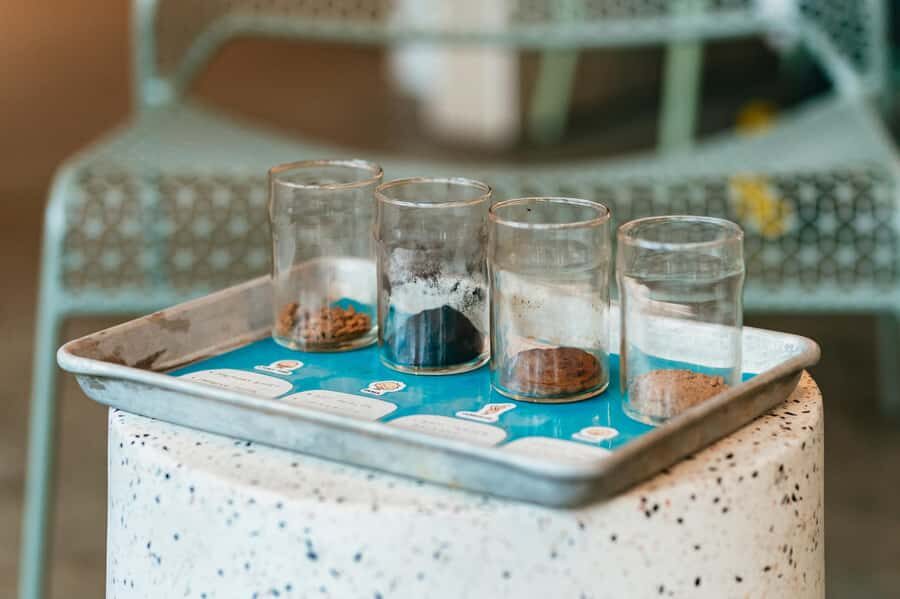
You’re getting three coffee or tea samples included, and that’s the core value. The key is to treat each one like a comparison, not just a drink.
Here’s how you can get more out of it without needing a coffee degree:
- Smell first, even before sipping. You’ll notice roast character faster than you think.
- Take small sips and pay attention to texture (watery vs creamy, light vs heavy).
- Think roast level vs drink style. A darker roast can taste different even before milk or sweetness enters the picture.
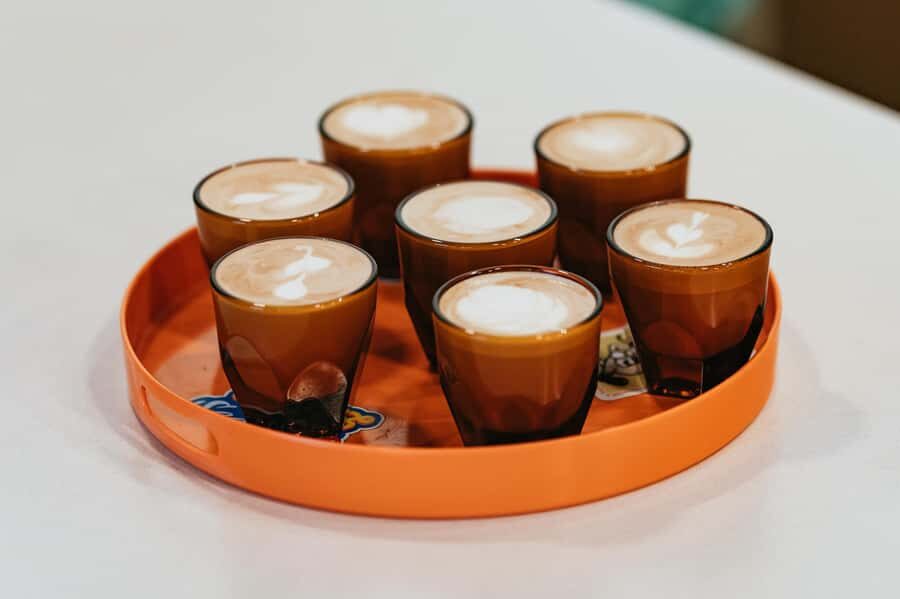
One group example mentioned tasting variety like a medium roast, a latte, and a specialty latte. Another example pointed out that the guide selected stops to match the group’s taste goals, which is a big deal. If your crew likes lighter roasts or prefers milk drinks, you’ll likely get better matchups than if every stop is the same kind of espresso.
Also, plan mentally for the fact that additional drinks or food aren’t included. That’s not a flaw—it just means you should decide in advance whether you’re happy with three samples as your caffeine hit, or if you’ll likely buy one more drink at the end.
Roasting and production talk that actually connects to what you sip
A coffee tour can go two ways: either you taste and learn, or you taste and get a vague speech while your cup gets cold. This one is designed so the explanation stays tied to the tasting.
You’ll hear about Seattle’s coffee production and the roasting process, with your guide explaining how roast choices affect flavor. That’s the practical part. If you’ve ever wondered why the same beans taste different across cafés, roast and processing are where the answers start.
And because you’re in motion—stopping at different shops—the talk has context. You don’t have to imagine what a roaster does in a back room. You taste what those choices look like in a cup right now.
One more detail that helps: guides like Lee (and on other dates, Sam or Carter) were described as passionate and responsive to questions. That means you can ask follow-ups and get explanations that fit how you actually drink coffee—black, with milk, sweet, strong, or mild.
Capitol Hill stops with real local flavor (and a chance of a surprise)
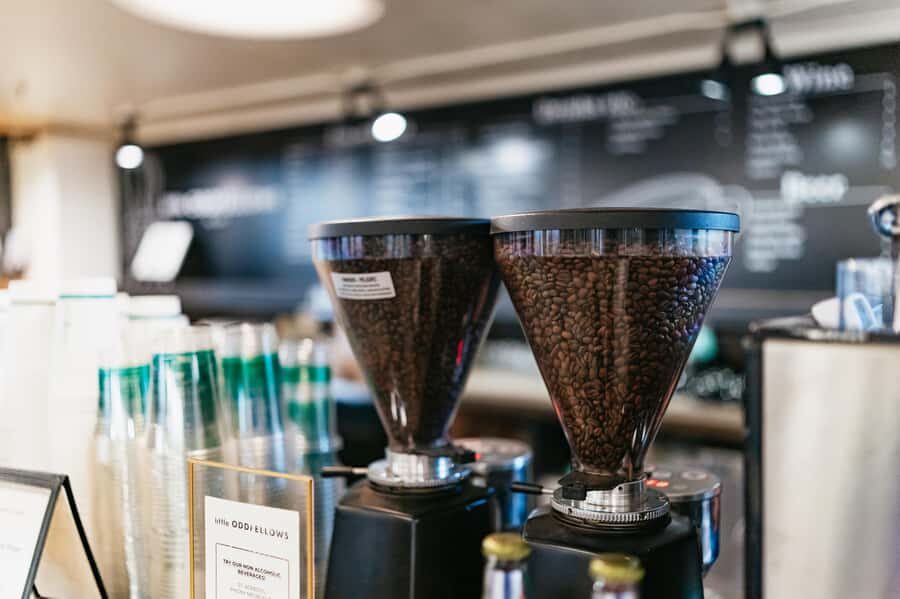
The tour includes multiple café stops, but the deeper point is this: you’re not just walking past coffee signs. You’re stepping into different styles of coffee culture in the same neighborhood.
A few stop-related notes you might care about:
- Expect variety. Some groups ended up with milk-forward drinks like lattes and specialty lattes, while others focused on espresso or tea-style options.
- Be open to unique items. One highlighted a mushroom coffee stop as something they could have skipped. So if you only want classic coffee flavors, you might want to say so early to your guide so they steer accordingly.
- You may also see how the neighborhood supports more than one scene at once. In one account, the group enjoyed a stop at a Filipino/Polish bakery along the way, which shows how the coffee route can overlap with other local food culture.
The upside of that surprise factor is that you’ll leave with more than just a souvenir drink. You’ll know what different places do differently, and you’ll be more confident ordering coffee back on your home street.
The downside is small but real: if you’re picky, your best experience will happen when you communicate your preferences before the tour locks in too many stops.
Other walking tours we've reviewed in Seattle

Music-history side quests: Hendrix, grunge venues, and electronic spots
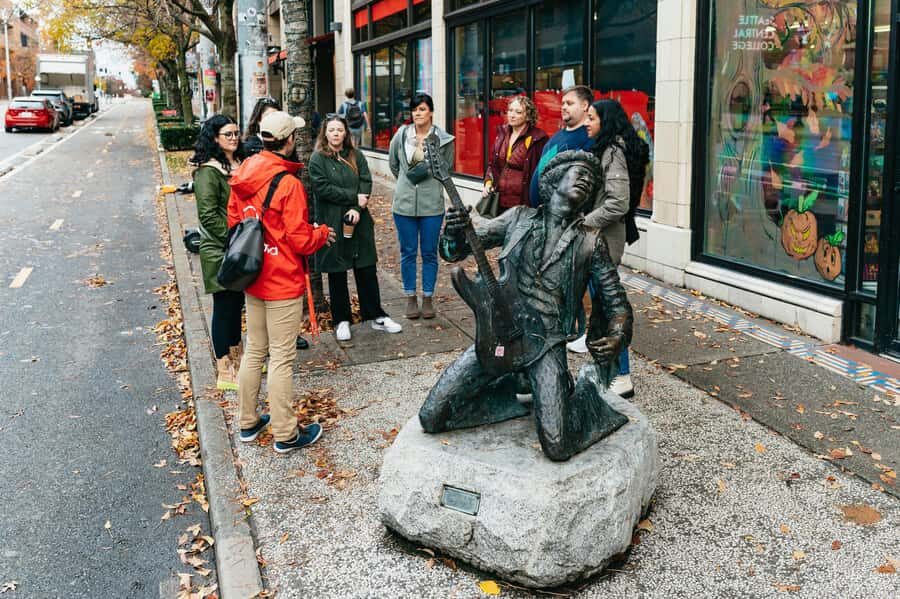
This is one of the tour’s smartest tricks: it uses Seattle’s music geography to frame the neighborhood. You start at the Jimi Hendrix statue, which plants the “this city makes artists” flag early.
From there, your guide points out venues tied to the grunge scene—places that helped set the stage for the decade-defining sound—and also references more modern venues for electronic music. Even if you’re not a die-hard music historian, it makes the walk more memorable because you’re learning with landmarks.
Here’s the practical benefit: after the tour, you’ll likely know where to wander next if you want a night out. And even if your plan is just coffee, music cues help you understand why people hang out in this part of Seattle in the first place.
Ending at Starbucks Reserve: a smooth finish for coffee lovers
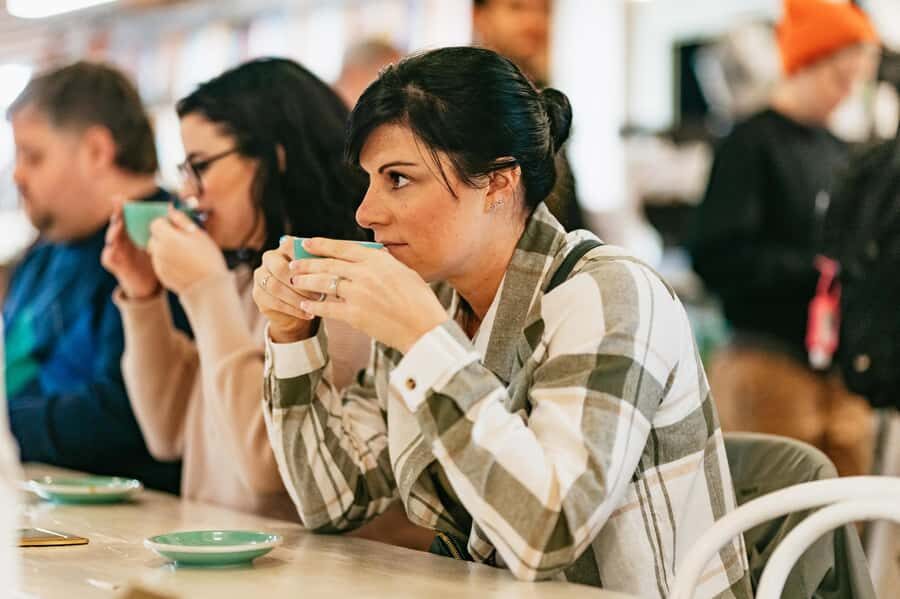
The tour finishes at Starbucks Reserve. That’s useful for two reasons.
First, it’s a comfortable place to land at the end of a walking tour. You’re not sent off into the rain with no idea what’s nearby. Second, it gives you options. One group noted the venue can serve alcoholic coffee drinks or specialty coffee, which makes it a good stop if your afternoon is turning into evening.
It’s also a natural place to compare what you learned. You can look at what you liked during the three included samples, then decide what to order next based on roast, milk style, or sweetness. If you’re the type who wants closure—one final sip before you go—this ending style fits.
Price and value: $50 for three tastings and a guided brain
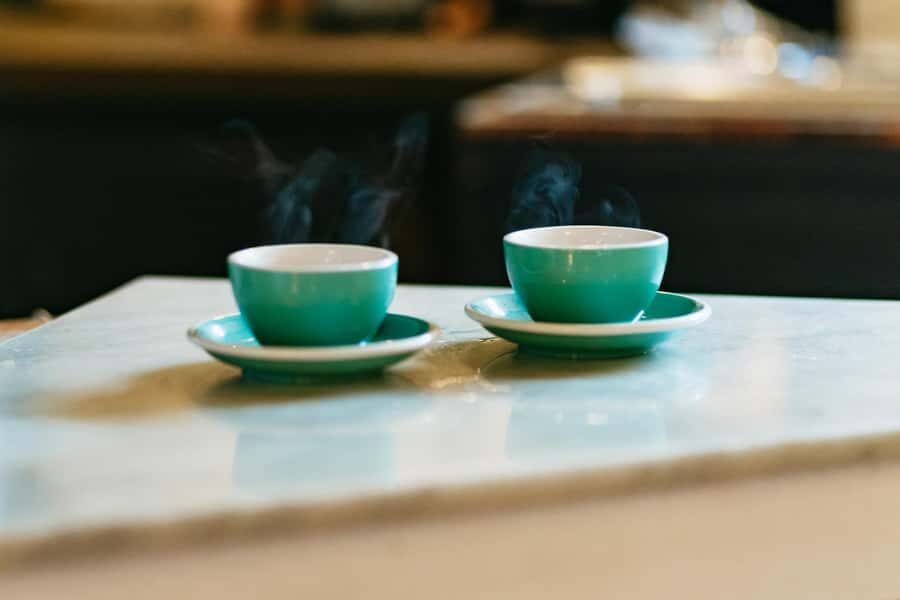
At $50 per person for 2 hours and three samples, this tour lives or dies on value beyond the drinks.
Here’s what you’re really paying for:
- A local guide who can steer you through a neighborhood with context
- Organized tastings that let you compare without guessing
- Explanations about roasting and production while you taste
- Access to stops you might not pick on your own in a quick search
One person flagged that it felt a little expensive for the amount of coffee tasted. That reaction is fair if you’re measuring value only by milliliters. But if you’re measuring value by education plus a curated route, the math looks better.
My advice: treat the three samples as the anchor, not the full meal. If you want a second drink at the end (and most coffee people do), plan a little extra spending so you don’t feel like the tour shortchanged you.
Also, since it’s a walking experience, you’re getting neighborhood time in a compact package—about 1.5 miles worth. That’s a real activity, not just a quick café hop.
Who this Seattle coffee tour fits best
This tour is best if you:
- Like coffee enough to enjoy comparing different roasts and drink styles
- Want local color beyond a menu list
- Enjoy walking and learning about neighborhoods in a practical way
- Appreciate music-related landmarks in Seattle
It’s also child-friendly, with children under 6 allowed free of charge. That’s helpful if you’re traveling with younger kids and still want something structured that won’t collapse your schedule.
If you’re a true minimalist who only wants one perfect cup and zero conversation, this may feel like too much. But if you like tasting your way into understanding, you’ll probably come out with better ordering instincts.
Tips to get a better tour (without overthinking it)
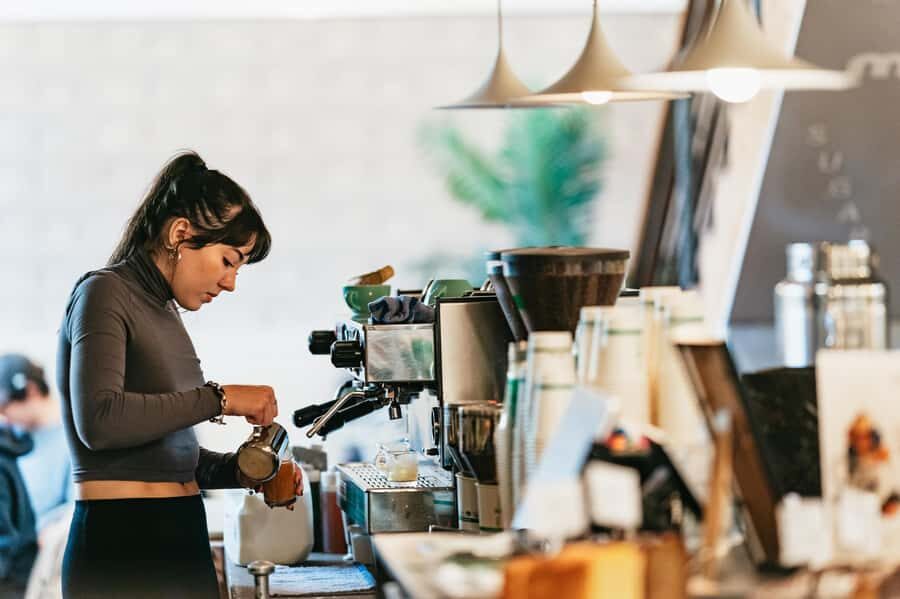
A few simple moves can level up your experience:
- Tell your guide what you prefer before the first stop, especially if you want to avoid non-traditional drinks.
- Stay open for one surprise. Even a stop you think you won’t like can teach you what flavor you do like.
- Ask questions when something clicks. Roasting and production become way clearer when you connect the concept to the cup in front of you.
- Use the ending at Starbucks Reserve as your final decision point: order what matches your favorites from the earlier tastings.
One more helpful note: guides can tailor the route to match a group’s tastes, and named guides like Lee were described as doing exactly that. So if your group has specific likes—say espresso-forward, milk drinks, or tea—speak up.
Should you book this Seattle coffee culture walking tour?
If you want more than just caffeine, I’d book it. The tour’s value comes from tasting plus context: roast explanations, coffee production talk, and a real sense of where Capitol Hill’s identity comes from—Jimi Hendrix to grunge-era venues to modern electronic scenes.
You should think twice only if:
- You’re very price-sensitive and only counting coffee volume
- You have a strong rule against unusual coffee types (like mushroom coffee) and don’t want any chance of it
- You prefer self-guided café crawling with no structure at all
Otherwise, this is a solid two-hour Seattle activity. It’s short enough to fit almost anywhere, structured enough to feel worth it, and fun enough that you’ll remember the neighborhood even after the last sip.
FAQ
How long is the Seattle Coffee Culture Walking Tour?
It lasts about 2 hours.
How much walking is involved?
The tour covers about 2.4 KM (1.5 miles).
Where do we meet the guide?
You meet at the Jimi Hendrix statue.
What’s included in the price?
A local guide, the walking tour, and three coffee or tea samples are included.
How many coffee or tea samples do you get?
You get three coffee or tea samples during the tour.
Is there a private group option?
Yes, private group options are available.
What language is the tour guide?
The tour guide provides the experience in English.
Is the tour child-friendly?
Yes. Children under 6 can join free of charge.
Is the tour carbon neutral?
The tour is carbon neutral and operated by a B Corp-certified company.
Can I cancel for a full refund?
Yes. You can cancel up to 24 hours in advance for a full refund.