REVIEW · CITY TOURS
Seattle City and Snoqualmie Falls Half-Day Guided Tour
Book on Viator →Operated by Shutter Tours LLC · Bookable on Viator
Seattle hits different when you go fast.
This half-day tour is a tidy mix of big Seattle landmarks and real Pacific Northwest scenery, built for first-timers who want their bearings quickly. I like that you get a guide with an actual point of view, not a rush-through slideshow, and that stops are timed so you have time to ask questions and take photos. My favorite part is the Snoqualmie Falls time—enough to soak it in without eating your whole day—though one drawback is weather. You’re outside at the falls, so bring the right layers and expect your plans to be comfort-focused, not frozen-in-perfect-light.
Small-group tours matter here.
With a maximum of 13 people and an air-conditioned minivan, the vibe stays personal, which helps when your guide is steering you toward the best angles. Guides like Dale and Terry also focus on phone photography tips and, in some cases, even take photos for your group—handy if you don’t want to beg strangers. The only real consideration: no hotel pickup. You meet at 97 Pike St and go from there.
In This Review
- Key Things I’d Plan Around
- Getting Your Bearings at Pike Place, Then Learning Seattle’s Story
- Pioneer Square, Stadium Exteriors, and the Seattle You Can Spot Fast
- Snoqualmie Falls: Why This Is the Main Event
- Fremont Troll and the Lenin Statue: Art, Politics, and Easy Photos
- Fishermen’s Terminal vs Ballard Locks: The Season Switch You’ll Appreciate
- Kerry Park: A Short Stop That Changes How You See the City
- What $94 Buys You (and When It Feels Like a Deal)
- Who This Tour Fits Best
- Should You Book This Seattle + Snoqualmie Half-Day?
- FAQ
- How long is the Seattle City and Snoqualmie Falls half-day guided tour?
- Where do I meet for the tour?
- What is included in the price?
- Do you stop at the Ballard Locks?
- How long is the Snoqualmie Falls stop?
- What’s the group size?
Key Things I’d Plan Around
- A small group (max 13) keeps the pace relaxed enough for questions and photos
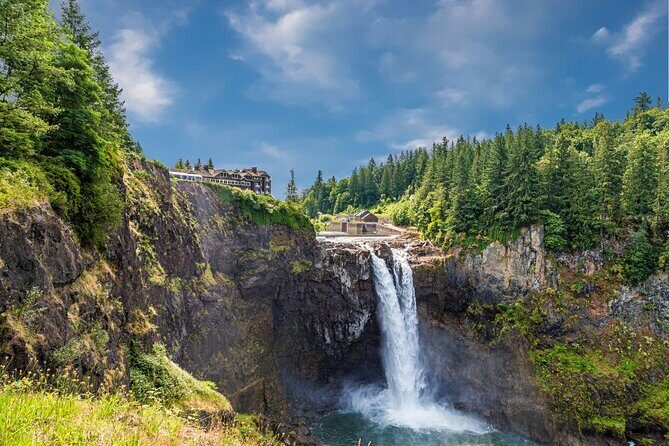
- Snoqualmie Falls gets about half an hour, a sweet spot for pictures and breathing room
- You’ll see Pioneer Square, Fremont Troll, Kerry Park, and stadium exteriors without long detours
- The tour switches the nature stop by season: Fishermen’s Terminal vs the Ballard Locks
- Guides (like Dale and Terry) often include phone photo tips, plus help taking shots
Getting Your Bearings at Pike Place, Then Learning Seattle’s Story
Most Seattle visitors start at Pike Place Market, and this tour does too. Your meet point is at 97 Pike St, and the tour starts at 10:00 am. That’s a smart choice. It anchors you in the city center first, then you’re free to zoom out to the falls without wondering how to connect the dots.
From the start, you’re not just looking at famous places—you’re getting the story stitched into the drive. After pickup, the route heads toward Pioneer Square, where early Seattle settlers made big choices about where to build. Expect stop-and-go narration rather than a lecture. Your guide explains how major events shaped the city, including the Great Seattle Fire and the idea of the Seattle Underground.
A quick heads-up: this is not a “get out and explore every block” tour. It’s built for motion with short photo windows. If you like wandering with no schedule, you may want extra time on your own later. If you want a guided overview that actually ends before your feet surrender, this format fits well.
Other Seattle tours we've reviewed in Seattle
Pioneer Square, Stadium Exteriors, and the Seattle You Can Spot Fast
After Pioneer Square, the tour keeps moving through city zones that most visitors recognize but might never connect on a single route. You’ll pass by big sports landmarks, including CenturyLink Field and T-Mobile Park.
Why include these? Two reasons. First, they help you understand Seattle’s geography beyond the postcard skyline. Second, they make the drive more fun. You don’t have to be a sports fan to enjoy seeing where major teams play and catching skyline views from the road.
There’s also a subtle benefit: you’ll learn the “shape” of the city as you travel. Where neighborhoods sit, how downtown connects to the waterfront, and how quickly the urban core gives way to Cascade foothills. That context makes the later nature stops feel less like a separate day-trip and more like the same story, just different chapters.
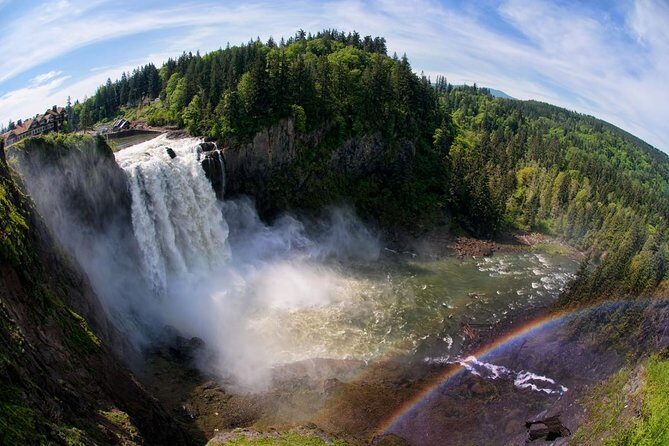
Snoqualmie Falls: Why This Is the Main Event
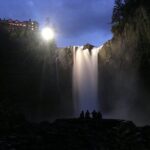
Then comes the reason most people book. You drive into the Cascades foothills, including a pass through Snoqualmie, often described as a Pacific Northwest Twin Peaks kind of stop. Whether you’ve watched anything or not, it’s the right kind of small-town scenery before the waterfall.
At Snoqualmie Falls, you get about half an hour. That’s enough time to:
- step into a good viewing position without feeling rushed
- take multiple photo angles as the light changes
- linger if you want to ask questions about the area’s history and setting
When it rains (and Seattle does its share), the falls can look even more dramatic. One detail I really like from recent guidance: when weather turns, guides like Dale have reportedly carried umbrellas and rain gear so you aren’t improvising with a flimsy bag from a convenience store. Also, Terry and Dale are both known for photo coaching—so you’re more likely to get a shot you’ll actually use.
Possible drawback: the falls stop is outdoors. If you’re someone who hates getting cold or wet, plan to dress for it. You’ll be happier if you treat rain as part of the plan, not a surprise.
Fremont Troll and the Lenin Statue: Art, Politics, and Easy Photos
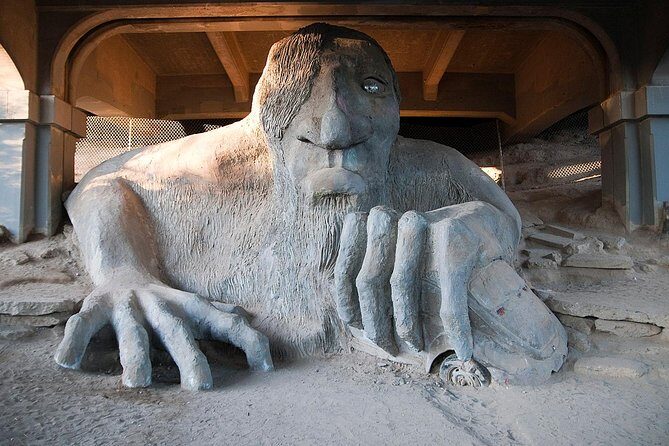
After the falls, the tour swings back into quirky Seattle territory. The Fremont Troll stop is short, about 10 minutes, but it’s designed for what you’re there for: photos.
You’ll also drive through Fremont and pass the 16-foot-tall Vladimir Lenin statue that arrived in Seattle from Slovakia and has stayed as a controversial piece of public art. Your guide is the one who ties it together, sharing how it ended up there and why it remains a conversation piece.
This is one of those stops that’s easy to underestimate until you’re standing in the moment. It’s instantly recognizable, and because it’s unusual, it’s a great “I can’t believe Seattle has this” memory. It also works well for families—kids usually love the scale and the photo-op vibe.
Time reality check: because the stop is brief, go straight for your photos. If you want to hang out for a long look at everything around the art, you’ll need extra time before or after the tour.
Fishermen’s Terminal vs Ballard Locks: The Season Switch You’ll Appreciate
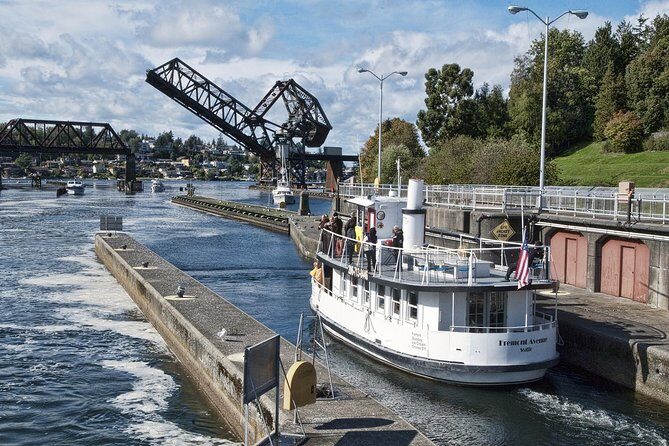
One of the smarter parts of this tour is that it changes the nature stop based on time of year.
- From September through March, the tour visits Fishermen’s Terminal, home to the Pacific fishing fleet, with about 20 minutes on the stop. This isn’t about pretty postcards. It’s about seeing Seattle’s working side when fishing is active.
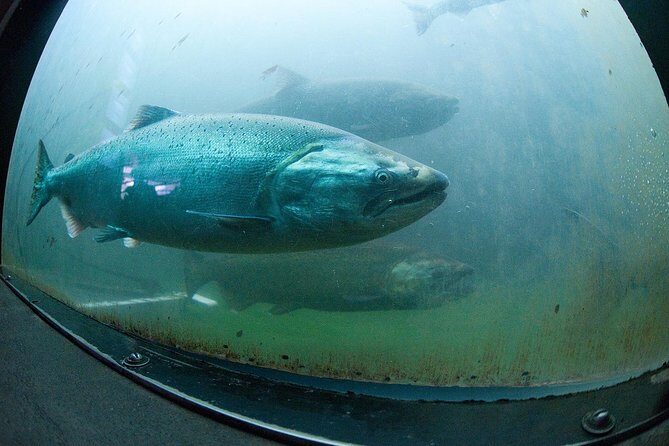
- From March through August, the tour typically goes to the Hiram M. Chittenden Locks (Ballard Locks). You’ll get about half an hour there, with a chance to explore the area and see fish-ladder activity in the warmer months. Depending on the season, you may also see migrating salmon, plus sea lions and eagles reported in guides’ descriptions.
During the colder months, the tour avoids the locks. From October 29 through March 1, the locks stop is not done because activity is lower and the fish ladder is empty. The point is practical: the tour aims to spend time where there’s something to see.
Either way, you’ll learn to look at the water like an engineer would—channels, traffic, the way the locks manage elevation. If you like nature but also like systems and human-made solutions, this portion tends to click fast. If you’re visiting in winter, expect the day to feel more like maritime Seattle than salmon theater.
Other Snoqualmie Falls tours we've reviewed in Seattle

Kerry Park: A Short Stop That Changes How You See the City
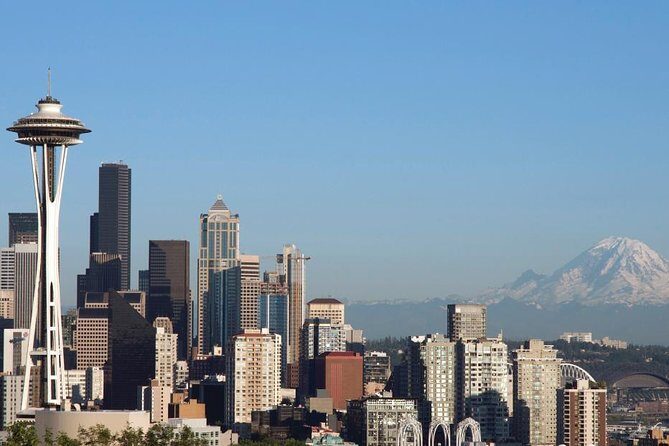
Near the end of the tour, you hit Kerry Park, often described as the top Seattle photo viewpoint for the skyline. The stop is only about 10 minutes, but it’s the kind of time-boxed stop that pays off.
This is where your earlier phone photo tips suddenly matter. Guides like Terry and Dale have reportedly coached people on framing and angles, and in some cases even helped by taking photos for the group. That’s important because the skyline backdrop is spectacular, but you still need to get the composition right.
If you’re carrying a phone and want the best shot:
- keep moving your angle slightly until the framing feels right
- shoot a couple of wider views, then switch to closer crop-style shots
- don’t burn all your time on one attempt
When the bus rolls in, there’s often that group moment—everyone’s looking up at the skyline at the same time. It’s quick, but it’s memorable.
Then you head back to Pike Place Market for the final stop, around 2:00 pm, with only about 5 minutes there on the tour. Treat that as a drop-off point, not a full return visit.
What $94 Buys You (and When It Feels Like a Deal)
At $94 per person for about 4 hours, this isn’t a bargain in the “cheapest possible” sense. But it often feels like good value if you’re the kind of visitor who wants:
- a guide doing the connecting-the-dots work
- transportation included (air-conditioned minivan)
- short, efficient stops that still include real time at the falls
You also get mobile tickets, and the tour runs with in all weather conditions, as long as you dress for it. That matters. A lot of outside-city sightseeing can fall apart in rain. Here, guides are set up to keep you moving and comfortable.
The max group size of 13 is also a value multiplier. You’re less likely to feel invisible, and photo coaching and questions are easier to handle.
One thing to consider before booking: if your priority is deep museum-level exploring or long unstructured wandering, you might find this too tight. But if you want a strong “Seattle in a half day” overview that includes Snoqualmie Falls, it’s priced for convenience.
Who This Tour Fits Best
This tour is ideal for:
- first-time Seattle visitors who want the highlights with context
- couples and small families who want a clear plan without planning
- people who want photo tips and help getting good shots with a phone
- visitors who don’t want to spend a full day on just one place (the falls)
It may be less ideal if you:
- hate any kind of rain exposure, even if it’s manageable
- want long stops where you explore independently for an hour or more
- expect hotel pickup at your exact address (you meet at Pike Place)
Should You Book This Seattle + Snoqualmie Half-Day?
I’d book it if you want Snoqualmie Falls plus a real Seattle orientation in one morning. The structure makes sense: start in the city where you’ll understand later landmarks, then get out to the Cascade scenery, then circle back for skyline and a quick finish at Pike Place.
Two green flags that stand out from how the experience is run: guides like Dale and Terry bring strong storytelling and also focus on getting photos right, not just pointing at places. And because the group stays small, you’re more likely to get personal attention when you have questions.
If you’re planning around weather, don’t overthink it—just dress for rain and layers. If you do that, this tour is one of the more efficient ways to see a lot of Seattle without turning it into a marathon.
FAQ
How long is the Seattle City and Snoqualmie Falls half-day guided tour?
It’s about 4 hours.
Where do I meet for the tour?
You meet at 97 Pike St, Seattle, WA 98101.
What is included in the price?
The tour includes a local guide and transport by air-conditioned minivan.
Do you stop at the Ballard Locks?
That depends on the season. The tour includes the locks from March through August, with a note that it is not included September 1st to March 1st.
How long is the Snoqualmie Falls stop?
Time at the falls is about half an hour.
What’s the group size?
The tour has a maximum of 13 travelers.