REVIEW · HISTORICAL TOURS
Beneath The Streets Underground History Tour
Book on Viator →Operated by Beneath The Streets · Bookable on Viator
Seattle’s Underground is weirder than you think. This 1-hour walking tour takes you into the southwest corner of Pioneer Square, where 1890s builders created passages to deal with floods and keep daily life moving. You’ll compare street level Seattle with the older world below, and the stories connect the neighborhood’s Indigenous roots to the Yukon gold rush era.
What I like most: the tour feels like you’re getting a local-story guided walk, not a museum lecture. And the guide style can be seriously entertaining—names like David and Patti show up in recent experiences for being funny while still keeping the facts straight. One thing to consider: this is not a full hour of continuous tunnel time. The Underground spaces aren’t connected, so you’ll travel above ground between the separate sections.
In This Review
- Key things to know before you go
- Pioneer Square Above the Streets: Why This Walk Matters
- Where You Start: 102 Cherry St to Occidental Square (and the Union Trust area)
- The One-Hour Rhythm: How the Tour Is Actually Spent
- Stop 1 Energy: Beneath the Streets and the 1890s Builder Logic
- Pioneer Square on Street Level: Compare What You See Today
- The Underground Passageways: Three Blocks, Real Stair-Down Moments
- Coast Salish Roots: The Indigenous Story in the Background and Foreground
- Guides, Humor, and Questions: What the Best Tours Do
- Stairs, Uneven Surfaces, and Winter-Wet Sidewalks
- Price and Value: Why $29.03 Can Make Sense
- Who Should Book This Tour (and Who Should Rethink It)
- Should You Book Beneath the Streets Underground History Tour?
- FAQ
- How long is the Beneath The Streets Underground History Tour?
- How much does it cost?
- Where does the tour start and end?
- Is the tour underground the whole time?
- Is the tour offered in English?
- Does it run rain or shine?
- Are there stairs?
- What if I cancel or the weather is bad?
Key things to know before you go
- Small group size (max 20) keeps the pace human and the questions flowing.
- You’ll see three underground passage areas tied to 1890s Pioneer Square.
- Above- and below-street comparisons help you understand how the neighborhood changed.
- Clues to major Seattle moments show up in the route: Klondike Gold Rush, Skid Row, and more.
- Comfort matters: plan for 3 flights of stairs up and down on the one-hour loop.
- Rain or shine means you’ll still go—dress for wet sidewalks in Seattle.
Pioneer Square Above the Streets: Why This Walk Matters
If your Seattle plan is mostly coffee, waterfront, and skyline views, this tour gives you a different angle: how the city started when Pioneer Square was still finding its footing. The whole premise is simple and smart. You walk in the original neighborhood—then you drop below grade to see what that old Seattle looked like from the inside.
That before-and-after feeling is the point. On street level, Pioneer Square today looks like the kind of place people come to browse, eat, and take photos. But you’re also seeing the layered result of fires, booms, and neglect—especially once the city hit the momentum of the Klondike Gold Rush era. The Underground story is how Seattle adapted, both physically and socially, to keep the city alive.
I also like that the tour doesn’t treat the Underground as a gimmick. It ties it to real neighborhood identity: the Indigenous people who first settled here, the later frontier frenzy, and the hard urban years that followed. You’ll leave with a clearer mental map of why Pioneer Square looks like it does now, instead of just remembering a few spooky-looking hallways.
Other Seattle underground tours we've reviewed in Seattle



Where You Start: 102 Cherry St to Occidental Square (and the Union Trust area)
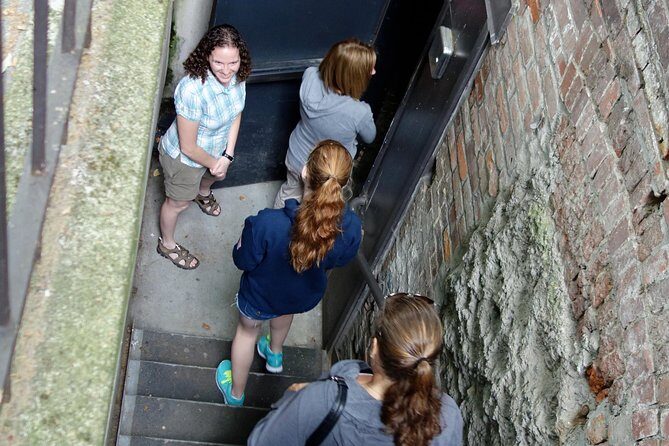
The walk starts at 102 Cherry St, Seattle, WA 98104, near the Pioneer Square area. You end around Occidental Square—and the posted meeting details also point to the Union Trust Building on S Main (119 South Main St). Either way, you’re finishing in the same central Pioneer Square zone, which makes it easy to keep exploring right after.
One practical tip: arrive a few minutes early. Seattle tours move at a steady pace, and you’ll want time to find the group before you start going up and down. Also, bring a phone even if you like paper. The tour uses a mobile ticket, so you’ll want battery power for check-in.
The One-Hour Rhythm: How the Tour Is Actually Spent
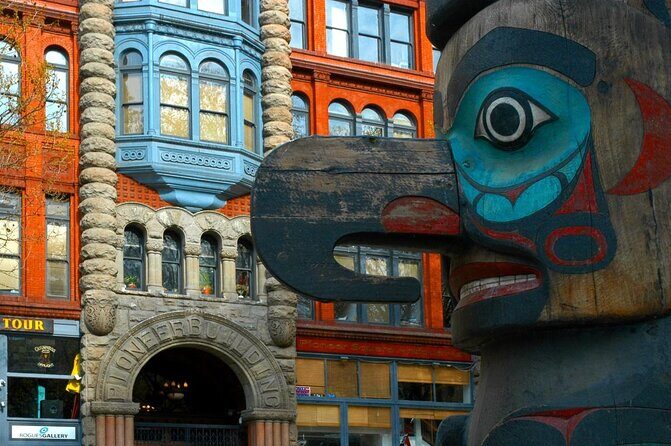
The tour runs about 1 hour and is designed for a leisurely pace while covering roughly 4 blocks (about half a mile / 0.8 km). That doesn’t mean it’s slow and flat. Expect movement and some climbing, because the route includes three flights of stairs, up and down each flight, with uneven surfaces in places.
The reason the tour mixes above ground and below is important. The Underground spaces are not interconnected, so you’ll move between separate underground sections through above-ground stretches. If you’re hoping for an hour-long continuous tunnel experience, adjust your expectations ahead of time. What you’re buying instead is context: you see what life looked like at each level, and you understand how the system worked across different building/section areas.
This also affects the pacing. You’ll get more clarity because the guide can explain what you’re seeing before you see it—then you look again from the street and compare. That’s a big part of why the tour lands for many people who thought they already knew Pioneer Square.
Stop 1 Energy: Beneath the Streets and the 1890s Builder Logic
The first focus is Beneath the Streets, where you hear the factual story behind the Underground’s creation. In the 1890s, the southwest Pioneer Square area needed practical solutions. You’re learning how passageways were built and why they became part of daily neighborhood life more than a century ago.
This segment also connects to larger Seattle turning points. You’ll hear about the period when Seattle shifted from a smaller dwelling-place area into a fast-moving city. The tour frames key events that changed everything—especially how the city’s momentum tied into the Klondike Gold Rush.
A standout element here is the way the guides bring depth without turning it into a textbook. Some recent guides are specifically praised for mixing humor and speed with accurate detail—so you’re not only learning, you’re staying awake. Names mentioned in recent experiences include David and Patti, and both represent the same style: quick stories, clear explanations, and a sense of place that makes Pioneer Square feel alive.
Pioneer Square on Street Level: Compare What You See Today
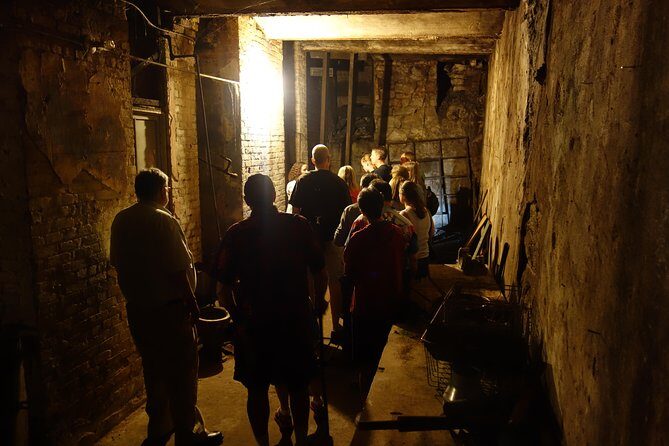
Next, the tour shifts to Pioneer Square itself, covering four city blocks of historic area while also connecting what you’re seeing to what happened underground. This is where the tour earns its value for people who like context.
You get street-level time on purpose. The guide points out details that help you understand how the neighborhood’s layout and identity evolved. The tour doesn’t just say old Seattle existed; it helps you visualize the change. That comparison is one reason this is a strong choice even if you’re only in Seattle for a short visit.
And yes, you’ll hear about big neighborhood themes like Skid Row, described as a dilapidated area that became the main street in parts of Pioneer Square during tough times. That contrast matters because the Underground story isn’t only about survival; it’s about what happens to a city when growth comes fast and unevenly.
Other historical tours in Seattle





The Underground Passageways: Three Blocks, Real Stair-Down Moments
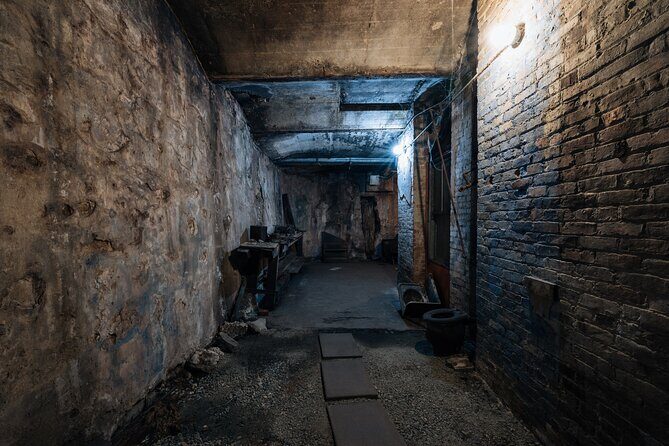
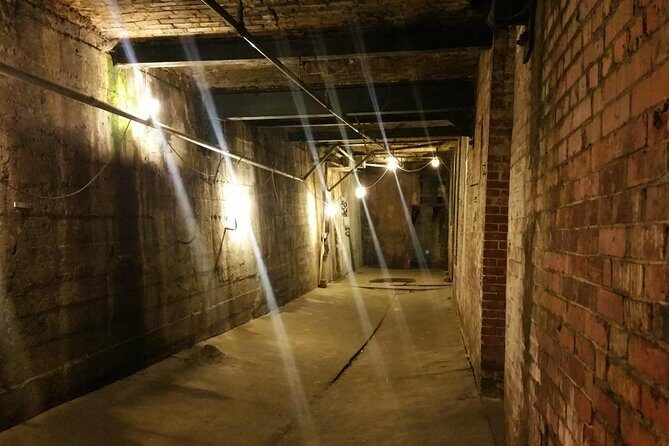
The heart of the experience is the time in and around the underground passageways. You’ll explore three underground passageways constructed in the 1890s, and you’ll also experience how those areas connect visually and historically back to the street above.
This is the part that most people picture when they book. It’s interesting and eerie in a practical way—more “why is it built like this?” than “what movie did this set come from?” The Underground shows you how architecture and planning choices can reshape a neighborhood’s everyday experience, not just its appearance.
One more important note for comfort: since the Underground isn’t interconnected, you’ll likely encounter multiple “go down, see the segment, come up, walk to the next segment” transitions. That structure can be a plus if you like clear checkpoints. It’s also why comfortable shoes matter more than a light jacket.
Coast Salish Roots: The Indigenous Story in the Background and Foreground
One of the most meaningful parts of the tour is how it treats the earliest settlement of the area. You’ll learn about the Coast Salish—the Indigenous peoples who first inhabited the region—and hear how that history fits into Seattle’s later transformation.
This isn’t just a one-liner. It’s positioned as part of the neighborhood’s origin story, which makes the Underground feel less like a curiosity and more like a layered place. When a tour ties architecture to the people who were there first, you get a more honest picture of what “the city’s beginnings” really means.
Also, the tour’s professional development is worth noting. The guides participate in workshops on cultural traditions and history, with special guest historians and Native Tribal members. That doesn’t automatically mean you’ll get a personal connection, but it does suggest the content is handled with care and ongoing learning.
Guides, Humor, and Questions: What the Best Tours Do
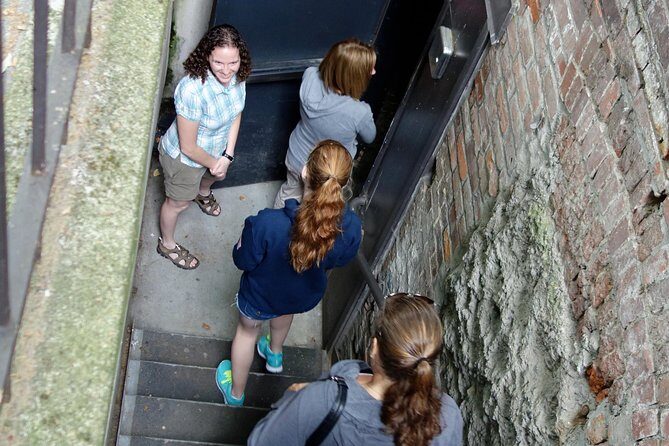
If you’ve ever sat through a walking tour where the guide talks like a voice memo, this won’t feel like that. The most praised experiences emphasize that the guides keep energy up and make the history feel human. Recent names mentioned include Imogen, Sarah, Daniel, and Jim, along with David and Patti.
The real value isn’t the celebrity-like name dropping—it’s the pattern. Guides are described as enthusiastic, funny, and willing to add extra context. One review even points out the guide answered questions and didn’t sound scripted, which usually means you’re getting explanations shaped around your group.
That matters because Pioneer Square history can be complicated. The guide’s job is to help you connect: Indigenous roots, frontier excitement, urban decline, and the Underground as a physical response to the pressures of building a city fast.
Stairs, Uneven Surfaces, and Winter-Wet Sidewalks
You’ll do about 3 flights of stairs during the hour, including both up and down. There are also uneven surfaces at parts of the route, so plan for real walking conditions, not polished museum floors.
My practical advice:
- Wear comfortable shoes with grip.
- If you’re visiting in cooler months, bring something that covers well if rain happens. Seattle rain isn’t subtle.
- Keep an eye on footing during transitions between above-ground and underground areas.
Also, the tour runs rain or shine, so dressing for weather isn’t optional. The operator says this happens outdoors and inside, and Seattle weather changes fast.
Price and Value: Why $29.03 Can Make Sense
At $29.03 per person for about an hour, this is priced for a short, high-effort experience. The value isn’t only the Underground access. It’s the combination: street-level Pioneer Square context plus three 1890s underground passageways, guided by a professional guide.
Small touches add value too:
- Mobile ticketing makes it easy to manage without printing.
- The tour is capped at 20 travelers, which helps with flow and interaction.
- Multiple tour times make it easier to fit into a day plan.
Does the tour cost enough to feel “worth it” for everyone? It likely depends on what you want. If you want a maximum of underground time with minimal walking above ground, you may feel there’s too much street time between separate underground sections. But if you want the story to click—why Seattle built like it did and how the neighborhood changed—this format is a solid buy.
Who Should Book This Tour (and Who Should Rethink It)
This tour is a great fit if you:
- Want to understand Pioneer Square’s transformation, not just photograph it
- Like guided storytelling that ties architecture to major events like the Klondike Gold Rush
- Prefer a small-group walk where the guide’s personality matters
- Enjoy history you can physically see—street level and below-grade
Rethink it if you:
- Want an hour with mostly continuous underground time, with no above-ground transitions
- Have strong mobility concerns related to multiple flights of stairs and uneven surfaces
- Hate stairs enough that one-hour walking tours feel like a dealbreaker
Should You Book Beneath the Streets Underground History Tour?
I’d book it if your Seattle trip includes Pioneer Square and you want more than surface-level facts. For the price, you’re getting a tight loop with real Underground structures and street-level comparisons that help the story make sense fast. The best part is the guide’s tone: when guides like David or Patti are on form, the hour feels both informative and genuinely fun.
If you’re the type who reads about Seattle history at home and still wants the physical “aha,” this tour is a smart use of time. Just be sure you’re wearing the right shoes and mentally ready for a walking tour with stairs—not a slow elevator ride into a single spooky corridor.
FAQ
How long is the Beneath The Streets Underground History Tour?
It runs about 1 hour (approx.).
How much does it cost?
The price is $29.03 per person.
Where does the tour start and end?
The tour starts at 102 Cherry St, Seattle, WA 98104. It ends at Occidental Square, and the posted end details also reference the Union Trust Building at 119 South Main St.
Is the tour underground the whole time?
No. The Underground spaces are not interconnected, so you’ll travel above ground between separate underground passage areas.
Is the tour offered in English?
Yes, it’s offered in English.
Does it run rain or shine?
Yes, it operates rain or shine. Dress appropriately for Seattle weather.
Are there stairs?
Yes. The tour includes 3 flights of stairs, with up and down each flight, during the one-hour walk.
What if I cancel or the weather is bad?
You can cancel for a full refund up to 24 hours in advance. If it’s canceled due to poor weather, you’ll be offered a different date or a full refund.