REVIEW · MT RAINIER DAY TOURS
From Seattle: Mount Rainier National Park Guided Tour
Book on GetYourGuide →Operated by Tours Northwest · Bookable on GetYourGuide
Rainier day tours feel like cheating—in a good way. You get guided narration, big-window comfort, and well-timed stops so you can enjoy Mount Rainier National Park without the stress of driving and parking. I especially like how the ride is paired with real context: guides like Ranger Ron, Ken, and Erika share what you’re seeing as you move from forests to viewpoints to Paradise.
Two standout things I love: the live onboard commentary (so the scenery comes with meaning), and the stop at the Paradise Visitor Center for glacier, plant, and wildlife learning. One thing to keep in mind: it’s an early start and a full 10-hour day, and the exact route can change with weather and traffic—so if you need a super flexible pace, this may feel structured.
In This Review
- Key highlights worth knowing
- Why the Seattle-to-Rainier plan is so smart
- Meeting at MoPop: what your day really starts like
- Riding comfortably: the minibus setup that makes views easier
- Paradise Visitor Center: where the learning is actually useful
- Old-growth forests, wildflower meadows, and waterfalls—how the stops feel
- A seasonal note on what you might see
- The pacing: photo stops, mini hikes, and “Ranger Stops”
- Lunch and snacks: plan for food you can actually eat comfortably
- Wapiti Woolies and the huckleberry ice cream payoff
- Price and value: what you’re paying for at $178
- Who this tour fits best (and who should skip it)
- The bottom line: should you book this Seattle-to-Rainier day tour?
- FAQ
- How long is the Mount Rainier National Park guided tour from Seattle?
- Where do I meet the guide in Seattle?
- What’s included in the tour price?
- Is lunch included?
- What should I bring for the day?
- Does the tour run in bad weather?
Key highlights worth knowing
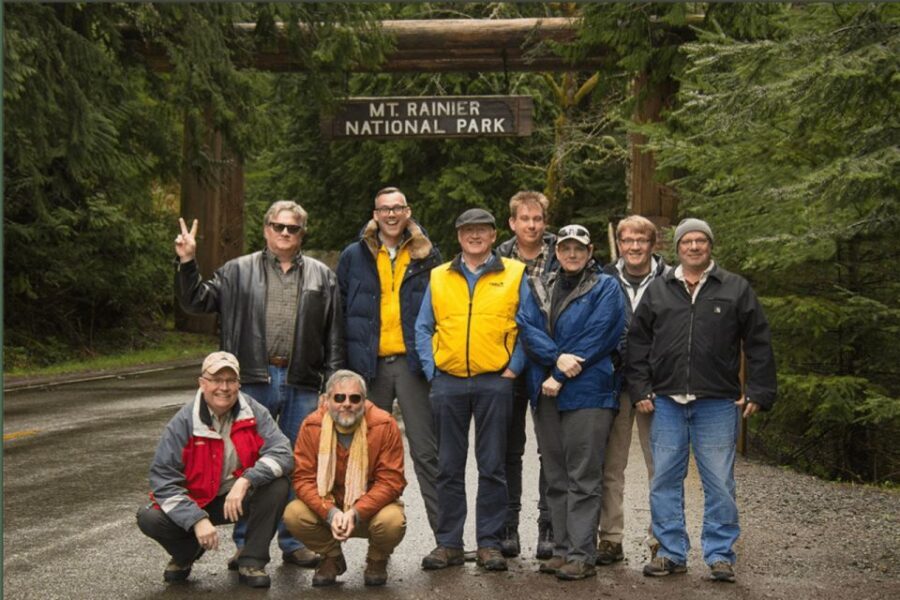
- Live guide narration in a 22-passenger, air-conditioned minibus with large windows
- Paradise Visitor Center for glaciers, plants, and animals
- Old-growth forests, wildflower meadows, and thundering waterfalls during the day’s stops
- Photo-friendly viewing points plus short scenic walks between rides
- A sweet payoff at Wapiti Woolies for huckleberry ice cream on the way back
Why the Seattle-to-Rainier plan is so smart
Mount Rainier is the kind of place where you either manage logistics or you enjoy the day. This tour is designed for the second option. You’re picked up in downtown Seattle and delivered to the park in a climate-controlled minibus with large windows, so you can spend the morning looking outward instead of focusing on directions.
The bigger win is what happens between stops. The guide isn’t just there to recite facts. On days like these, the park’s best moments are visual and sensory—mist, moving waterfalls, thick forest, meadow color—so having a person explain what you’re seeing makes the whole day click faster. Guides such as John, Mark, and Andreas are repeatedly described as professional, safety-minded, and quick with details on trees, glaciers, and even volcano context.
Other Seattle tours we've reviewed in Seattle

Meeting at MoPop: what your day really starts like
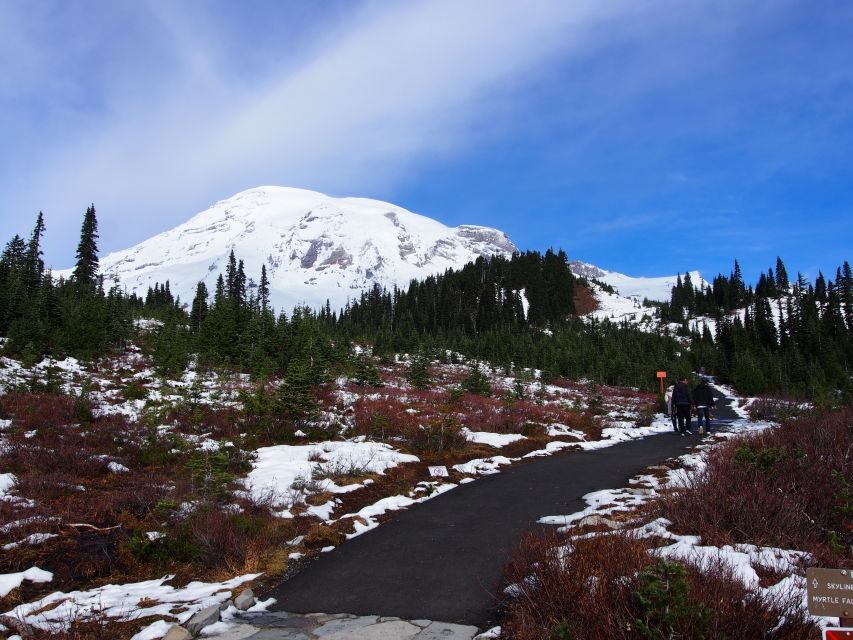
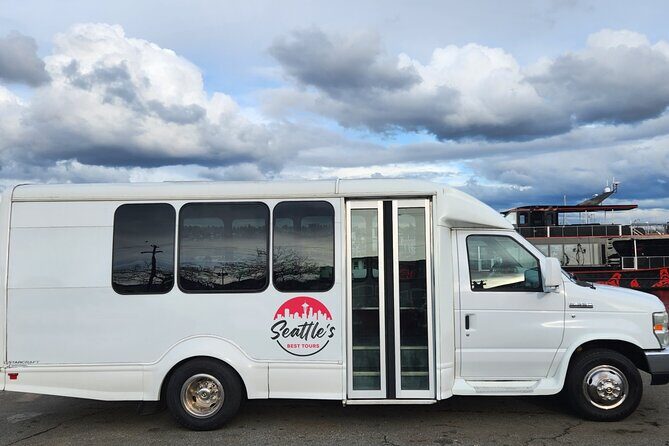
Your tour begins at 6:55 AM at the Museum of Pop Culture (MoPop) in Seattle. The guide arrives in a white mini coach labeled Tours Northwest in the circle driveway. That early timing matters because Rainier’s best light and most reliable parking options tend to show up earlier in the day.
Expect a quick transition from Seattle to park mode. After you meet your group, you’re on the road straight away. There’s also typically a stop halfway in the ride where you can pick up essentials like lunch items or use restroom facilities if you need it. If you’re not a morning person, plan to be one by sheer force. Bring layers, water, and snacks if you can—because the day flows before you fully realize you’re hungry.
Riding comfortably: the minibus setup that makes views easier
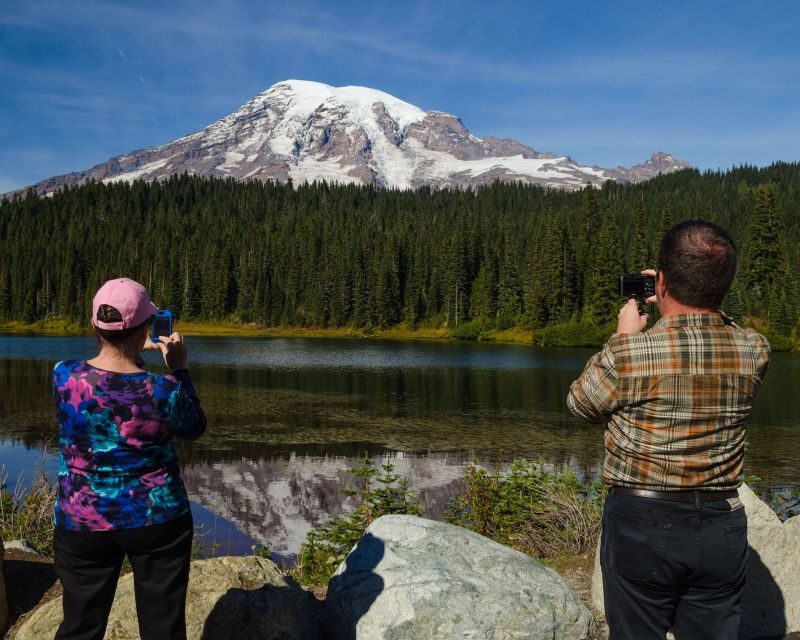
This is a 22-passenger minibus experience, and the details matter. The seats have high backs, there’s air-conditioning, and most importantly, the windows are tall enough that you’re not constantly craning your neck to see. That means you can actually photograph without getting stuck in awkward angles.
There’s also practical support for food. A cooler is available on the bus to store perishable items, which is handy if you plan to bring snacks or do a simple picnic style lunch. One small rule that shapes the experience: no luggage or large bags on board. So travel light.
You’ll also want to remember that this isn’t a casual sightseeing loop where you stop whenever you feel like it. It’s a guided route with timing. If you like a plan but hate being rushed, this tour tends to land in the middle: enough breaks to stretch and explore, but with structure to fit in Rainier highlights.
Paradise Visitor Center: where the learning is actually useful
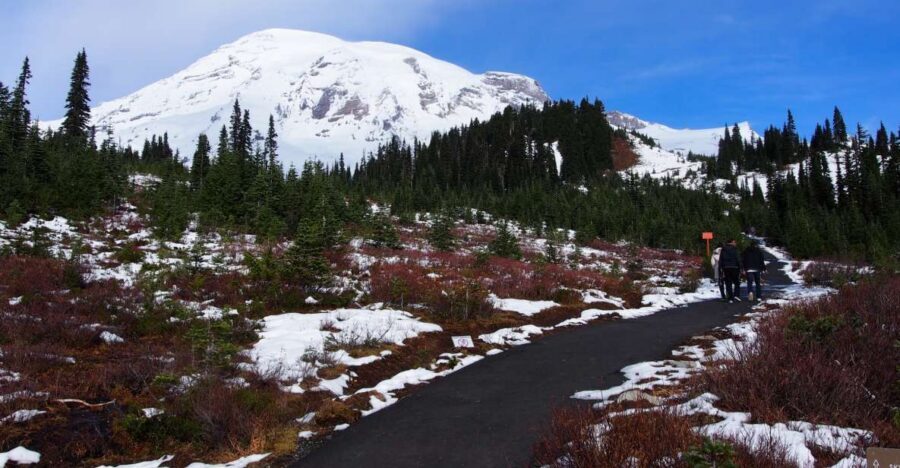
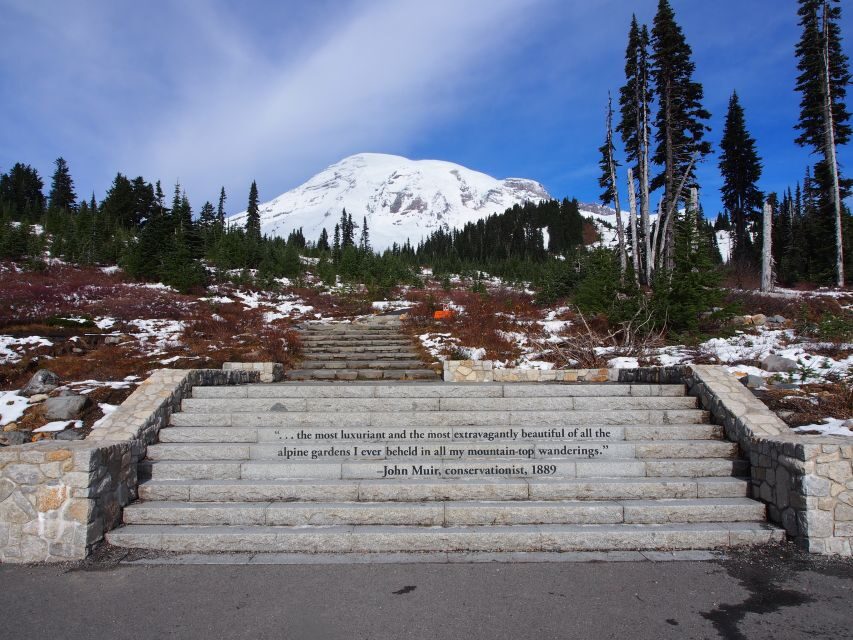
Paradise is the “information hub” stop on this day tour. You’ll visit the Paradise visitor center and learn about the mountain’s glaciers, plus what plants and animals you can expect in different areas.
Why Paradise works so well in a single day: Rainier’s ecosystem changes with elevation and weather. A visitor center helps you connect the dots—what you’re looking at now, what it means, and why the landscape (literally the terrain) behaves the way it does. It also gives you a calmer pause in the middle of an active day. You can orient yourself, then head back out for viewpoints and shorter walks with more context.
If conditions are tough—cloudy, rainy, or icy—Paradise still offers a meaningful stop because you’re not depending on one single perfect viewpoint. You get educational grounding plus time to regroup.
Old-growth forests, wildflower meadows, and waterfalls—how the stops feel
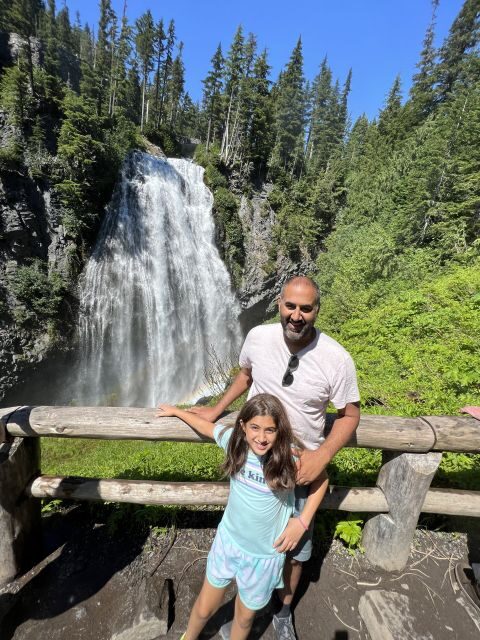
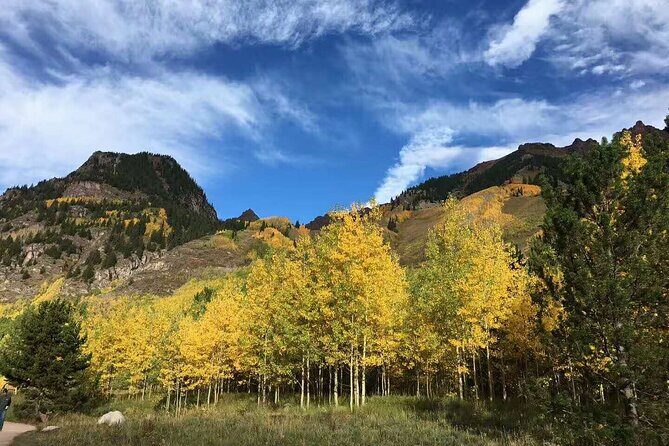
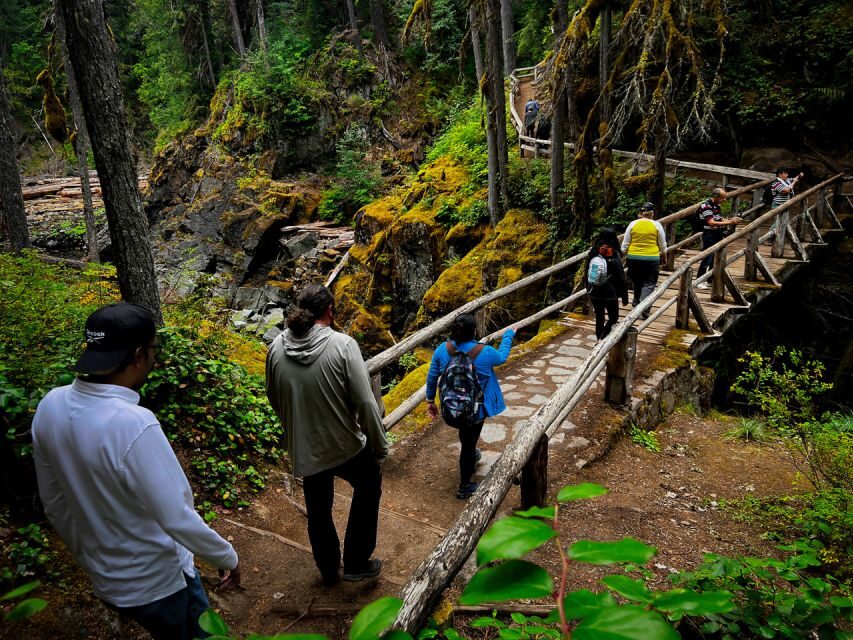
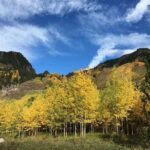
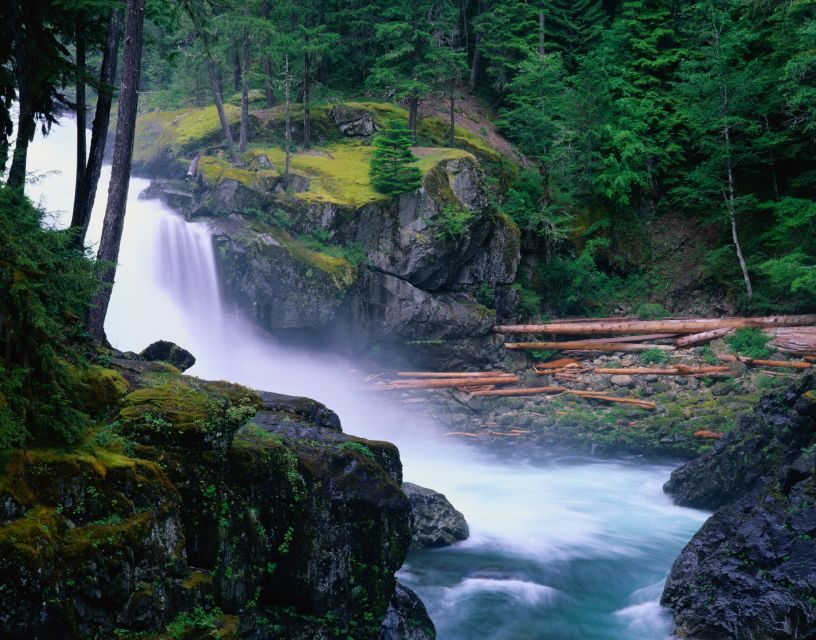
This tour is built around multiple “types” of scenery, not just one dramatic view. You’ll see old-growth forest, wildflower-filled meadows, and thundering waterfalls throughout the day.
Here’s how that plays out for your actual experience:
- In the forest sections, the focus is on texture and scale—thick trees, cool air, and the sense that the place has been standing longer than your timeline.
- In the meadow areas, the mood shifts. Meadows give you open sightlines and a different kind of color impact.
- At the waterfall moments, your body gets involved. You hear it before you see it clearly, and that changes how you pace your stops.
You can also expect viewpoint pull-offs where the guide gives you time for photos and short walks. From the way stops are described, you’re not just parked at a single corner—you’re often positioned where the view actually makes the effort worth it.
Other Mt Rainier day tours we've reviewed in Seattle

A seasonal note on what you might see
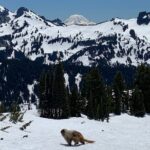
The park route can change with weather and traffic. And during shoulder months like May and October, some roads may be closed, so you may have limited access inside parts of the park. The tour still operates and visits accessible areas, but your exact mix of scenery can shift.
The pacing: photo stops, mini hikes, and “Ranger Stops”
One reason this tour earns near-perfect ratings is the rhythm. The day is paced with breaks that make sense. You ride, stop, explore briefly, and then ride again—without feeling like you’re constantly sprinting back to the bus.
Many guides are described as deliberately spacing photo moments and scenic pull-offs. A few people even mention stops that became a group joke, like the guide calling them out for photos. In practice, that means you get short windows for pictures and then enough time to walk a little or stand somewhere better.
Some groups also report hands-on moments on snow days, like trying snowshoes. That’s not guaranteed every season, but it’s a good example of the tour’s style: when conditions allow, you might get more than just a look—you get a small experience tied to the environment. If you want the day to feel educational and active, that’s the energy you should expect.
Lunch and snacks: plan for food you can actually eat comfortably
Food isn’t included. The tour gives you options:
- Buy lunch at a local café during the day
- Or pick up picnic items at a grocery stop (there’s even a cooler on the bus for perishable items)
This is the right setup for Rainier. If lunch is included, you’re stuck with whatever timing and menu they choose. Here, you can match your day to your appetite and the weather. If it’s raining hard, you’ll likely prefer café comfort. If it’s clear, a simple picnic can feel like a mini reset before you head back out for viewpoints.
Also, bring snacks. The tour starts early, and you’ll be on the go long enough that hunger can quietly turn the day sour.
Wapiti Woolies and the huckleberry ice cream payoff
The final stop is Wapiti Woolies, where you can try its famous huckleberry ice cream. It’s a classic Pacific Northwest-style finish: a sweet, low-effort reward after a long day in chilly air.
Why this last stop matters: it keeps the day from feeling like a sprint back to Seattle. You end with something easy to enjoy, and you don’t have to scramble for a post-tour meal. Then you roll back to the meeting point, which is the same location where you started.
Price and value: what you’re paying for at $178
At $178 per person for about 10 hours, you’re paying for three things that add up quickly on your own:
- Transportation from Seattle and back (with air-conditioning and a comfortable setup)
- Park entry fee bundled in
- Guided interpretation plus stops that would be harder to coordinate solo
The real value is time and friction. Driving to Rainier means managing long distances, potential traffic, and parking stress—then trying to guess which viewpoints are worth your limited daylight. This tour reduces that whole decision layer.
Is $178 “cheap”? Not really. But if you factor in entry fees, guided instruction, and the convenience of someone mapping the day around weather and timing, it becomes a reasonable spend for a single best-day outing.
Who this tour fits best (and who should skip it)
This is a great match if you want:
- A guided day that covers multiple Rainier highlights without renting a car
- Comfort plus easy sightlines from the bus
- Short walks and viewpoints, not a long technical hiking day
- A guide who can explain how glaciers, forests, and wildlife connect
It’s less of a match if:
- You need maximum mobility support. The tour isn’t suitable for people with mobility impairments, and it also notes it’s not suitable for people with pre-existing medical conditions.
- You travel with lots of gear. Large bags and luggage aren’t allowed.
- You dislike early mornings and structured pacing. The day starts with a 6:55 AM meet and runs about 10 hours.
The bottom line: should you book this Seattle-to-Rainier day tour?
If you’re short on time and you want Rainier in one day, I think this tour is a strong choice. You get guided narration, comfortable transport, and a lineup of stops that includes the Paradise Visitor Center and the kind of viewpoints that take effort to find on your own. The huckleberry ice cream is a fun bonus, not the point.
I’d book it if your goal is a well-run highlights day and you’re okay with a structured schedule. I’d think twice if you need highly flexible routing, have mobility or medical constraints, or you want to linger for long stretches with no group timing.
FAQ
How long is the Mount Rainier National Park guided tour from Seattle?
The tour duration is 10 hours, with starting times that vary based on availability.
Where do I meet the guide in Seattle?
Meet your guide at the Museum of Pop Culture (MoPop) at 6:55 AM. The guide arrives in a white mini coach labeled Tours Northwest in the circle driveway.
What’s included in the tour price?
The tour includes a local guide, air-conditioned transportation, and the Mount Rainier National Park entry fee.
Is lunch included?
No. Food and drinks are available to purchase, and there are stops where you can buy lunch or pick up picnic items.
What should I bring for the day?
Bring comfortable shoes, a camera, sunscreen, and weather-appropriate clothing. Layer both warm and cool weather items because conditions can shift quickly.
Does the tour run in bad weather?
Yes. This tour operates in all weather conditions, though the exact route may vary depending on weather and traffic.