REVIEW · MUSEUMS
The Museum of Flight Entrance Ticket
Book on Viator →Operated by The Museum of Flight · Bookable on Viator
Planes and spacecraft, in one big dose of wonder.
This entrance ticket to Seattle’s Museum of Flight puts you in front of aviation you can get close to and hands-on, interactive exhibits across a 23-acre campus at the city’s oldest airport. The biggest consideration is time: the advertised 2 to 3 hours can feel short once you start walking the hangars and reading the details.
I also like that the value is clear up front. For $29, you’re paying for admission itself; add-ons like the flight-themed 3D movie and simulator tickets are extra. The museum runs daily from 10:00 AM to 5:00 PM, and clear weather can make the outdoor airport views from the T. Evans Wyckoff Memorial Bridge a real bonus.
In This Review
- Key highlights at a glance
- Museum of Flight Entrance Ticket: how the $29 admission sets you up
- Inside the museum: the Great Gallery gets you oriented fast
- The flight-themed 3D movie theater: worth it, but budget time
- Hangar time: NASA, Boeing, and aviation oddballs you can actually inspect
- Outdoor views at the T. Evans Wyckoff Memorial Bridge: the best clear-weather payoff
- How long you should plan: 2 to 3 hours vs the real museum pace
- Accessibility, comfort, and transit: small details that affect your day
- Price and add-ons: what’s included, what to budget for
- Who should book this Museum of Flight ticket—and who might not love it
- Should you book this entrance ticket?
- FAQ
- What does the Museum of Flight entrance ticket include?
- What is not included in the ticket price?
- Is the 3D movie included?
- How long should I plan for?
- What are the museum’s opening hours?
- Does weather affect the experience?
- What is the cancellation window?
- Are service animals allowed, and can most travelers participate?
Key highlights at a glance
- Book ahead to avoid disappointment: this one sells best when you secure tickets about two-plus weeks early.
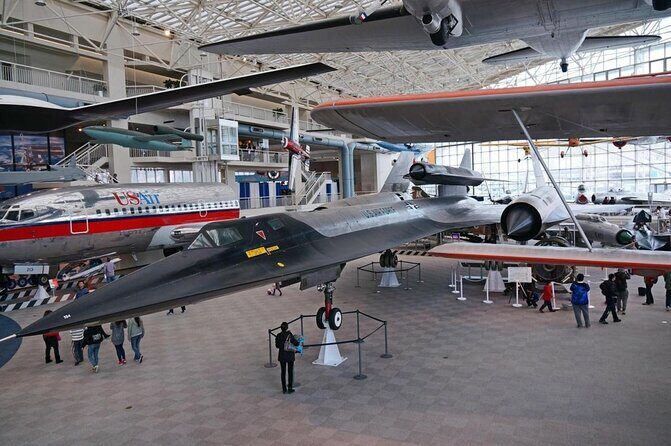
- See the Space Shuttle training trainer up close: a rare, full-scale NASA-style piece you won’t casually find elsewhere.
- Get in the Boeing 747 cockpit: a practical way to understand how aircraft are designed and how cockpits feel.
- Hands-on exhibits for space and flight fans: interactive elements make it work for kids and adults.
- Museum layout rewards wandering: the Great Gallery and hangars take time, but the flow is easy to follow.
Museum of Flight Entrance Ticket: how the $29 admission sets you up
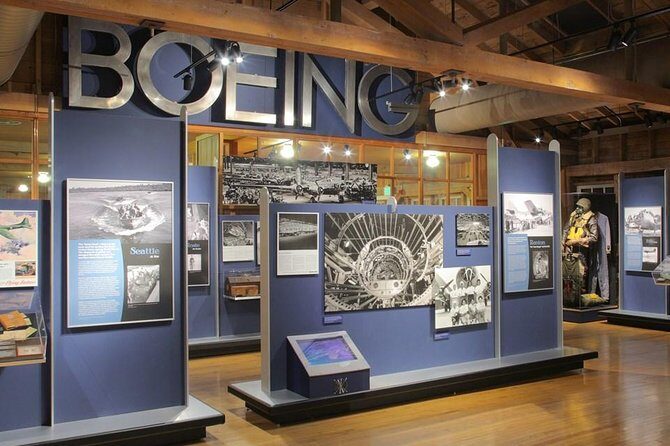
For $29 per person, this ticket is really about access to a huge, self-guided air-and-space museum. You get entry to a campus that’s home to 160+ aircraft and spacecraft spread across six buildings, including the original Boeing Aircraft factory area. If you’re the kind of traveler who likes to look closely, compare designs, and read the story behind machines, the entrance fee works well.
The biggest “value detail” is what’s included versus what’s not. Admission is included, but simulators are not. If you want the simulator experience, plan a little extra spending once you’re on site so you don’t end up feeling rushed or nickel-and-dimed.
A few more Seattle tours and experiences worth a look



Inside the museum: the Great Gallery gets you oriented fast
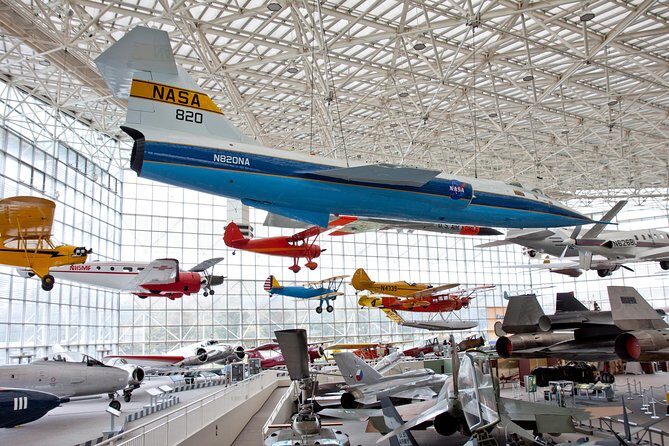
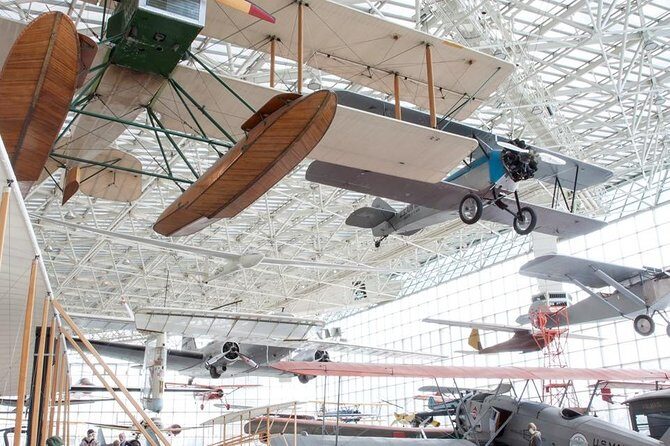
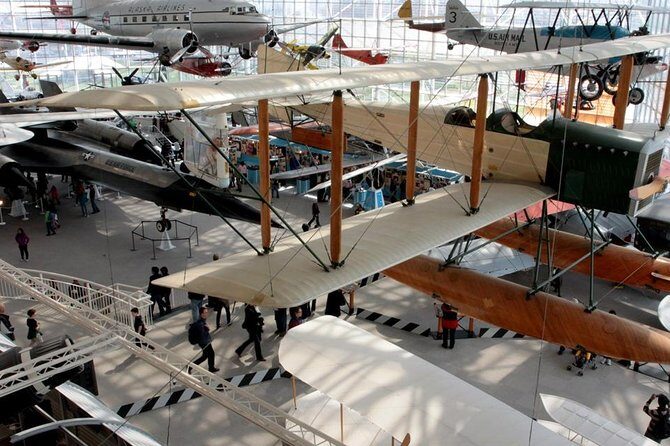
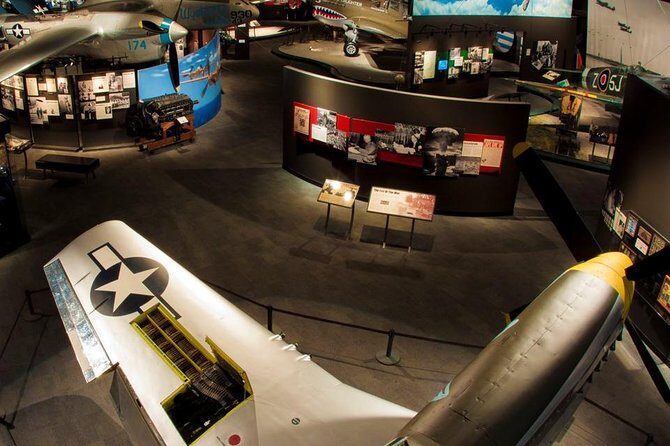
Your visit makes immediate sense because the museum gives you a strong visual anchor: the Great Gallery, a six-story glass building with 43 aircraft from the 1920s to today. It’s the kind of space that helps you get bearings fast—you can look up, then scan across eras and technologies without guessing where to start.
In this gallery, you’ll see some stand-out aircraft like the rare M-21 Blackbird spy plane and jet fighters from the Korean and Vietnam wars. It’s not just eye candy, either. The way aircraft are presented across decades helps you understand how aviation evolved in real steps rather than as a blur of “then jets happened.”
One practical note: you’ll be on your feet a lot. Even if you’re excited, plan on walking stairs and hallways, because the museum is built to be explored at your pace.
The flight-themed 3D movie theater: worth it, but budget time
After you enter, you start with the museum’s flight-themed 3D movie theater. That screening is part of the experience flow, but it comes with an added cost.
I like this step for one simple reason: it helps you connect what you’re seeing afterward. When the aircraft and space vehicles come into view, you’re not just staring at metal—you’ve got a bit more context for how flight and aviation tech fit together. If you’re visiting with kids, this short “warm-up” can also help them settle before you start the hangar walk.
If you’re trying to keep spending tight, treat the 3D show as an optional upgrade. The entrance ticket still gets you plenty without it—you just may miss that extra film-based framing.
Hangar time: NASA, Boeing, and aviation oddballs you can actually inspect
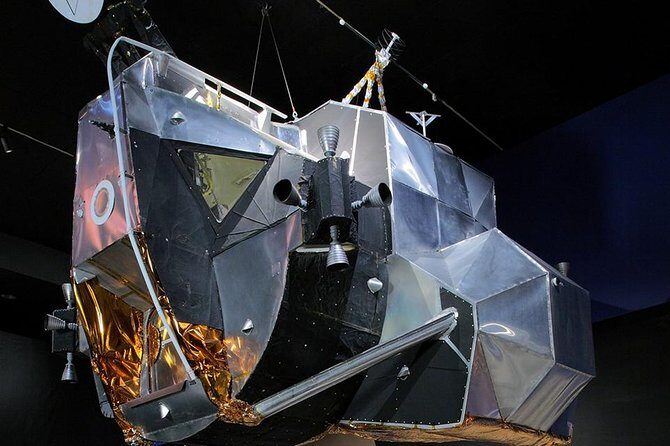
Once you’re out of the theater, the hangars are where the magic turns practical. The museum displays more than 150 aircraft, and the layout encourages close viewing and repeated looks as you spot different kinds of engineering.
Here are some of the specific highlights that make the walk feel special:
- NASA Space Shuttle Trainer (full scale): this is the only full-scale NASA Space Shuttle Trainer you can see up close here. If you care about the human side of spaceflight preparation—procedures, design, and training artifacts—this is a major reason to visit.
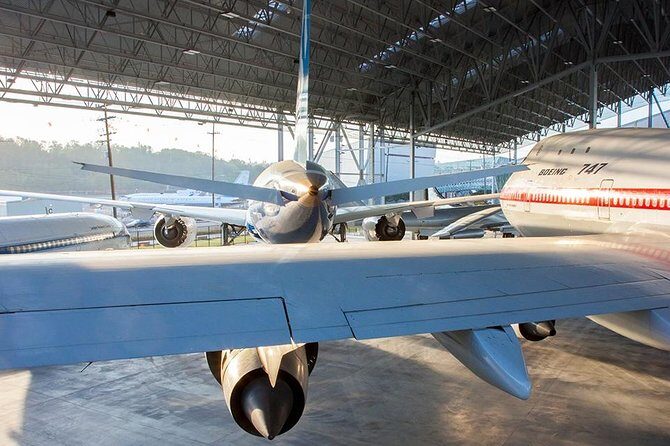
- Boeing 747 cockpit: you can sit in the cockpit and get a feel for the working environment inside a classic widebody. It’s one thing to read about 747 design; it’s another to experience the cockpit layout at close range.
- Amelia Earhart’s vanished-era plane replica: the museum includes a faithful replica of the plane Earhart disappeared in. It gives the visit a historical “anchor,” tying personal aviation stories to broader technology.
- The first flight-worthy Boeing 747: this adds a clear “origin story” thread for the aircraft that helped define modern commercial aviation.
- Gliders and flight experiments: you’ll also see a sailplane and a cool range of experimental aircraft, including an Aerocar.
- Human-powered flight: the museum displays the MacCready Gossamer Albatross II, which is a wild reminder that flight isn’t only engines and turbines.
- Space Shuttle Orbiter training mockup: you’ll find a full-sized mockup of a Space Shuttle Orbiter used for training before missions.
Exhibits do change frequently, so the exact lineup can shift over time. Still, the through-line stays consistent: early planes to space frontiers, with real artifacts that make aviation feel grounded.
Outdoor views at the T. Evans Wyckoff Memorial Bridge: the best clear-weather payoff
On clear days, don’t skip the outdoor views from the T. Evans Wyckoff Memorial Bridge. You’ll get sightlines toward Seattle-Tacoma International Airport, plus a shot of Mount Rainier when conditions cooperate.
This is also a useful break from standing indoors. After you’ve spent a chunk of time reading and looking through glass and hangar lighting, stepping out can reset your brain and help you enjoy the museum’s setting, not just its collection.
The museum notes that the experience requires good weather. That’s not about cancellation games—it’s about whether the outdoor portion becomes a highlight rather than a quick photo stop.
Other museum experiences in Seattle





How long you should plan: 2 to 3 hours vs the real museum pace
The ticket experience lists 2 to 3 hours as a good estimate. In practice, this museum is big enough that you’ll likely stretch that.
A lot of visitors end up spending around 3 to 5 hours because there’s just so much to take in: hangars, indoor galleries, aircraft you can walk into, and interactive areas. If you’re visiting as a family, allow extra time for kids to stop and restart their attention—aircraft museums have a way of slowing everyone down in a good way.
My practical advice is to arrive with a plan that isn’t too rigid. Pick one “must-hit” gallery (like the Great Gallery), then give yourself enough time to follow your curiosity in the hangars.
Accessibility, comfort, and transit: small details that affect your day
The museum indicates service animals are allowed and that most travelers can participate. It’s also near public transportation, which helps if you’re mixing this visit with other Seattle stops.
Comfort-wise, think ahead. This is a museum where you’ll be walking for hours, and you’ll want water. If you’re visiting with kids, snacks can help keep energy steady during long exhibit stretches.
Also, don’t assume every part of the collection is identical in experience. Some aircraft displays encourage more “look closely” time, while others are best viewed as part of a broader timeline.
Price and add-ons: what’s included, what to budget for
Here’s the money picture in plain terms:
- Included: entrance ticket to the Museum of Flight.
- Not included: simulator tickets, which you can purchase upon arrival.
- Optional in the flow: the flight-themed 3D movie theater has an added cost.
So the $29 price is solid if your main goal is the aircraft and space exhibits. But if simulators are a must for you—especially if you’re traveling with kids or you’re a hardcore aviation fan—budget extra so you can spend without stress.
This is how you get the best value: enter with admission covered, then decide on add-ons once you see how much time you have.
Who should book this Museum of Flight ticket—and who might not love it
This is a strong fit if you like aviation history, aircraft design, and big hands-on museums. The combination of famous airliners, experimental aircraft, and space-training artifacts works well for both lifelong aviation fans and first-timers.
It’s also a good family option because you’re not stuck watching screens all day. You’re surrounded by aircraft and interactive elements, which keeps attention better than many museums that rely only on reading.
If you hate walking, hate crowds, or want a short, curated experience with minimal time on your feet, you may feel stretched here. The museum is huge, and even with good planning, it rewards a slower pace.
Should you book this entrance ticket?
Yes—if you want a big Seattle aviation day where you can look close, compare eras, and see rare pieces like the Space Shuttle training trainer and cockpit experiences. The $29 admission price is fair for a museum this large, and the mix of aircraft types makes it more than a one-note aviation stop.
Book ahead so your schedule has flexibility. If you’re visiting in clear weather, add time for the bridge views—because that’s when the trip feels extra “Seattle,” with airport action and mountain scenery in the same frame.
FAQ
What does the Museum of Flight entrance ticket include?
The entrance ticket includes admission to The Museum of Flight.
What is not included in the ticket price?
Simulator tickets are not included. You can purchase simulator tickets on arrival.
Is the 3D movie included?
The flight-themed 3D movie theater is part of the experience flow, but it has an added cost.
How long should I plan for?
The experience is listed as about 2 to 3 hours, though the museum is large, so you may want more time.
What are the museum’s opening hours?
The museum is open daily from 10:00 AM to 5:00 PM.
Does weather affect the experience?
Yes. The experience requires good weather. If it’s canceled due to poor weather, you’ll be offered a different date or a full refund.
What is the cancellation window?
You can cancel for a full refund up to 24 hours in advance of the experience start time.
Are service animals allowed, and can most travelers participate?
Service animals are allowed, and most travelers can participate.