REVIEW · SEATTLE
Escape Room Activity in Seattle
Book on Viator →Operated by 4 Dreams Escape · Bookable on Viator
A magic forest or an 18th century elevator. In one hour.
This Escape Room experience in Seattle strings together four dream worlds into a single session, so you’re not just solving one puzzle type. You jump from fantasy to mystery to inventor-lab science to elevator panic, all while keeping your group moving.
I especially like the format: 4 rooms with several puzzles in each, which gives you that satisfying back-and-forth between thinking and action. The theme is also a strong match for group fun, since it feels like a story you’re inside, not a boring lock-and-key exercise. The only drawback to consider is time—since it runs about an hour, you’ll want a steady pace and teamwork from minute one.
In This Review
- Quick Key Points
- Four Dream Worlds In One Hour
- Your Best Starting Point: 2500 5th Ave
- Price: What $45 Buys You (and What It Doesn’t)
- How the Puzzle Flow Works in Real Life
- The Dream Forest: Where Your Eyes Do the Work
- Cabin Mystery: The Classic Setup, with a Story Twist
- Inventor’s Lab: Mechanics Meet Magic
- The 18th Century Elevator: The Most Fun Kind of Pressure
- Booking Timing: Plan Like a Smart Seattle Visitor
- Who This Escape Room Is Best For
- Should You Book It? My Practical Take
- FAQ
- How long is the escape room experience?
- How much does it cost per person?
- Where do we meet for the activity?
- Is the experience offered in English?
- What’s the group size limit?
- Are service animals allowed, and is it near public transportation?
- Can I cancel and get a refund?
Quick Key Points
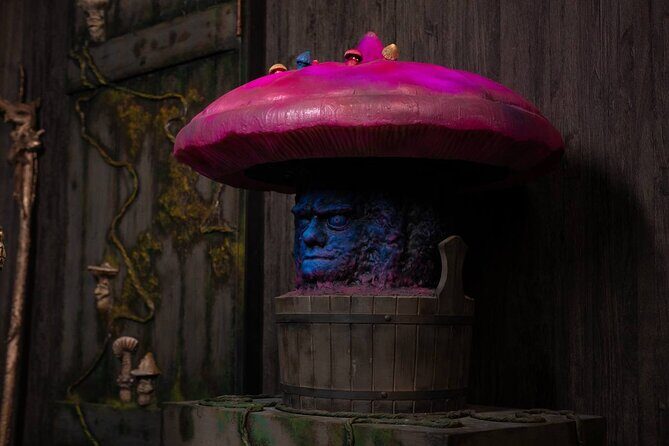
- Four dream worlds in one hour: magic forest, cabin mystery, inventor’s lab, and a classic elevator scene
- Multiple puzzles per room: typically 3–4 puzzles in each of the four rooms
- Small groups: up to 6 travelers, which helps keep the experience flowing
- English-only experience: make sure everyone in your team is comfortable with English clues
- Mobile ticket included: no printed ticket needed on arrival
Four Dream Worlds In One Hour
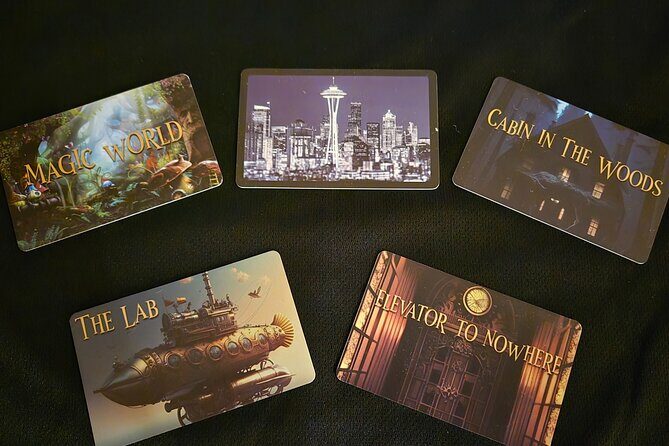
This is an escape room that treats the usual setup like a playlist: different tracks, same one-hour “show.” You move through four themed rooms, each tied to a dream scenario. The themes are clearly meant to trigger different kinds of thinking—pattern spotting, observation, and problem-solving—so if you get stuck in one world, you’re already walking toward the next.
The dream worlds you’ll face are:
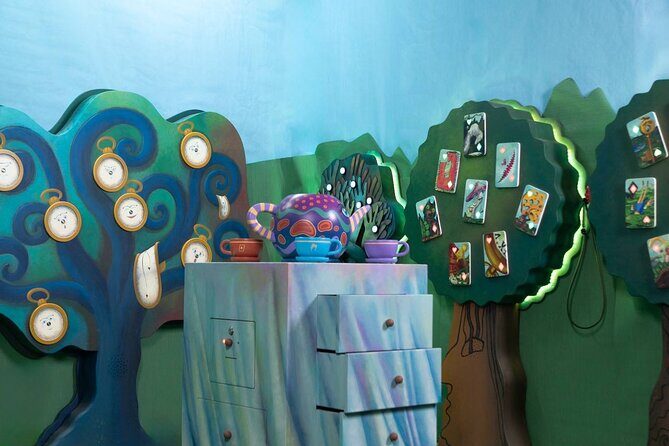
- A magic forest fantasy (dream logic, curious clues, and imaginative imagery)
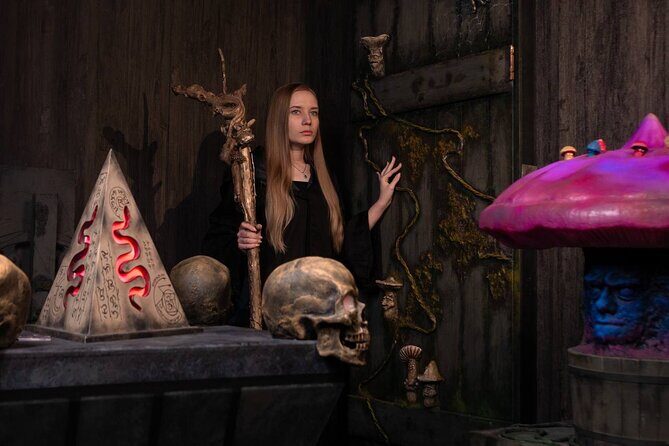
- A cabin-in-the-woods mystery (the classic trapped-by-the-story vibe, with clues that feel like they belong together)
- An inventor’s lab where mechanics and magic collide (expect a more “how does this work?” feel)
- A gorgeous 18th century elevator (the classic trapped-in-a-box scenario, but with a period twist)
Why this matters: many escape rooms do one theme well and then reuse the same puzzle style again and again. Here, the theme changes, which keeps your brain from getting comfortable in just one mode.
And the pacing is real. The full experience is about an hour, so you’re not meant to wander. You’re meant to solve, move, solve, move.
Other Seattle tours we've reviewed in Seattle


Your Best Starting Point: 2500 5th Ave
The activity starts at 2500 5th Ave, Seattle, WA 98121, and you’ll end back at the same meeting point. It’s a simple route plan—no wandering across town at the end.
Two practical notes that help:
- It’s near public transportation, so you can plan your day without forcing a car trip.
- The group size caps at 6 travelers, which usually means you won’t be waiting around for half the team to arrive.
If you’re coordinating with friends, I’d suggest being early with your whole group. Escape rooms run on momentum. Getting seated and briefed on time keeps you from losing the best part of your puzzle-solving window.
Price: What $45 Buys You (and What It Doesn’t)
At $45 per person for about one hour, this sits in the common Seattle escape-room range. The value comes from two things that work together:
1) You’re not paying for a single room. You’re paying for four rooms and a full run through a connected story.
2) The setup aims for a “team activity” feel, which is great if you’re planning something with friends, a date, or a small group outing. One-hour entertainment that actually gets people talking beats a lot of passive plans.
What you should know: because the experience is short, it’s less of a slow-burn activity. If your group prefers leisurely exploration or wants lots of time to read every detail, you may feel a little rushed. Think of it like a game night, not a museum visit.
How the Puzzle Flow Works in Real Life
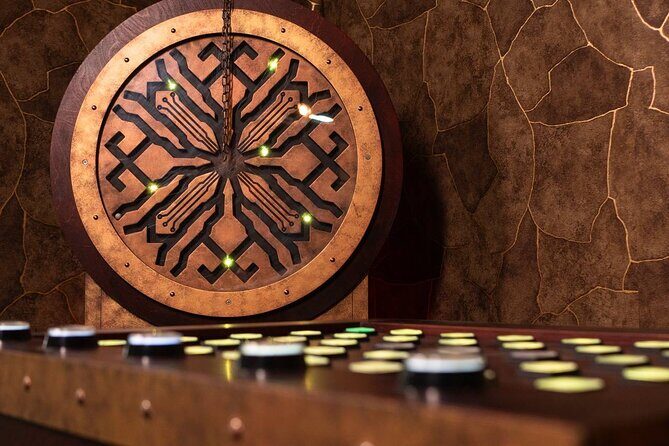
You can picture the structure like this: 4 rooms total, with 3–4 puzzles in each room. That’s a lot of problem-solving compressed into one tight session.
Here’s what that means for your approach:
- Assign roles fast. In a group of up to 6, you don’t need everyone doing everything. You do want quick overlap—one person spotting details while another tests ideas.
- Move from “stuck” to “try again.” In a timed escape room, dwelling too long on one puzzle quietly drains your next opportunities.
- Treat each room like a mini game. When you finish a room, you’re not just done—you’ve already advanced your momentum into the next dream.
I also like that the puzzles are designed to keep you engaged across different theme types. If your group has a mix of people who enjoy logic puzzles and people who enjoy visual clues, this format is more likely to satisfy both.
The Dream Forest: Where Your Eyes Do the Work
The magic forest dream world is the entry point for most groups, and it’s a good reminder that escape rooms often reward what you notice more than what you know.
In rooms like this, you’ll typically be looking for:
- repeated patterns
- small visual tells
- clues that only make sense when you connect them to the story
The value here is how it sets your team’s problem-solving rhythm. If you warm up well in room one, rooms two and three usually feel smoother.
Practical tip for the magic-forest vibe: don’t split too far. If people scatter, you lose time comparing notes. Stay close enough that you can trade what you see within a minute.





Cabin Mystery: The Classic Setup, with a Story Twist
The cabin-in-the-woods world taps into a familiar escape-room mood. That can be comforting if you’ve never done one before—your brain recognizes the genre quickly.
What makes this kind of room fun is the combination of:
- a sense of being “in” the scenario
- clues that feel like they belong to the environment
- puzzles that often require you to interpret objects, not just numbers
Since this is part of a sequence, the cabin room also helps balance your experience. If the forest room is more playful and visual, the cabin often nudges you toward deduction and interpretation.
Drawback to keep in mind: if your group tends to rush without checking details, cabin-style puzzles can punish that habit. Slow down just enough to confirm what you think you’re looking at.
Inventor’s Lab: Mechanics Meet Magic

The inventor’s lab theme is where you’ll likely feel the most contrast. The idea is right in the pitch: mechanics and magic collide. That usually translates into puzzles that make you think about systems, logic, and cause-and-effect.
This room is ideal for teams who like:
- figuring out how things work
- testing hypotheses
- using tools or components in a structured way
Why I like this part: it gives the experience variety. Your group’s strengths matter more here than pure speed. If someone on your team enjoys logic, they can take the lead without making the whole group feel left out.
If you’re not naturally a “mechanics brain,” don’t worry. Team up: one person can try steps and mechanics reasoning, while someone else focuses on clues and cross-checking.
The 18th Century Elevator: The Most Fun Kind of Pressure
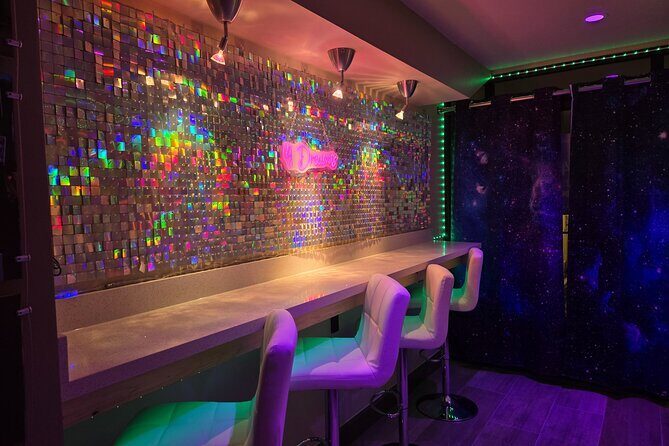
Few escape rooms beat a trapped-in-a-tight-space scenario for energy. This one adds a specific twist: a gorgeous 18th century elevator. It’s a great match for the dream style too, because it feels like both a story set and a puzzle machine.
This kind of room tends to create urgency without needing it explained. The space itself pressures your time and focus, and that helps keep energy high.
For your group, I’d treat the elevator room like your final sprint:
- keep talking
- track what you’ve already tried
- don’t forget to check small details—those are often the deciding clues late in the run
This is also where teams that work well together usually shine. The room style fits the group format: up to 6 travelers means there’s room for different ideas, but not so many people that communication becomes chaos.
Booking Timing: Plan Like a Smart Seattle Visitor
This activity is typically booked about 5 days in advance on average. That’s not ultra-early, but it’s also not last-minute territory—especially if you’re choosing a specific day and time.
So I’d book it when your schedule is real. If you wait too long, you risk picking a time that doesn’t match the rest of your day.
Also, you’ll receive confirmation at the time of booking, and you’ll have a mobile ticket. That’s useful in Seattle, where plans can change fast and you don’t want to deal with paper tickets.
Who This Escape Room Is Best For
This works especially well if you want:
- a small-group activity that gets everyone talking
- a puzzle format with variety (not just one style repeated)
- a themed experience that feels like a story through multiple scenes
It’s also a strong choice for people doing a team activity. The setup is designed for small groups, so it’s easy to keep everyone involved.
If you’re coming as a couple or a small friend group, you’ll probably appreciate the structure and the fact that the session ends back at the meeting point.
If anyone in your group has accessibility needs related to movement, you should check ahead. The only confirmed detail here is that most travelers can participate—not how each room is laid out or whether there are tight passages.
And good news: service animals are allowed.
Should You Book It? My Practical Take
Book it if you want one-hour, story-driven fun in Seattle that keeps variety high across four dream worlds. I’d also book it if your group likes puzzles but doesn’t want a single-note experience. The 4-room format with multiple puzzles per room is exactly the kind of structure that makes the time feel worthwhile.
Skip it (or at least think twice) if your group hates time pressure. You’ll be working in about an hour, so you need teamwork and a willingness to move on when something is stuck.
If you’re on the fence, here’s the simplest decision rule: if you’ll enjoy problem-solving with friends in a themed game setting, this is a good bet.
FAQ
How long is the escape room experience?
The activity lasts about 1 hour.
How much does it cost per person?
The price is $45.00 per person.
Where do we meet for the activity?
You meet at 2500 5th Ave, Seattle, WA 98121, USA, and the activity ends back at the same meeting point.
Is the experience offered in English?
Yes, it’s offered in English.
What’s the group size limit?
This activity has a maximum of 6 travelers.
Are service animals allowed, and is it near public transportation?
Yes. Service animals are allowed, and the activity is near public transportation.
Can I cancel and get a refund?
No. The experience is non-refundable and cannot be changed for any reason.