REVIEW · SEATTLE
From Seattle: Mt Saint Helen Tour
Book on GetYourGuide →Operated by PLATFORMPOINTS LLC · Bookable on GetYourGuide
A volcano day with real science. Mt. St. Helens looks familiar on maps, but the 1980 eruption permanently reshaped this area, and today’s reforestation lets you spot how life returns. I especially like the Johnston Ridge Observatory stop, where the story is both human and measurable.
The live tour guide makes the geology make sense without turning it into a lecture. I also like the monitoring equipment focus at Johnston Ridge, including how the data gets relayed to the USGS Cascades Volcano Observatory. One thing to plan around: the observatory is open seasonally, so your exact access can depend on when you go.
This is a small-group outing, limited to 14 people, so you’re not lost in a crowd. It runs in English, with pickup and drop-off in Seattle, making it a solid day option if you want big scenery without planning a full road trip.
In This Review
- Key things to love about this Mt. St. Helens tour
- From Seattle to the Blast Zone: how this 9-hour plan feels
- Mt. St. Helens viewpoints and reforestation: what you should actually watch for
- Coldwater Ridge Visitor Center: guided context before you reach the observatory
- Johnston Ridge Observatory: the science room built into a tragedy
- Coldwater Lake: finishing with recovery, not just impact
- Price and value: is $285 for 9 hours a fair deal
- The guide makes the day: Bob and Chad’s approach
- Practical tips so you enjoy the day more
- Should you book this Mt. St. Helens tour?
- FAQ
- How long is the Mt. St. Helens tour from Seattle?
- What’s included in the tour price?
- Is lunch or breakfast included?
- How big is the group?
- Is the tour suitable for wheelchair users?
- Can I cancel for a refund?
Key things to love about this Mt. St. Helens tour
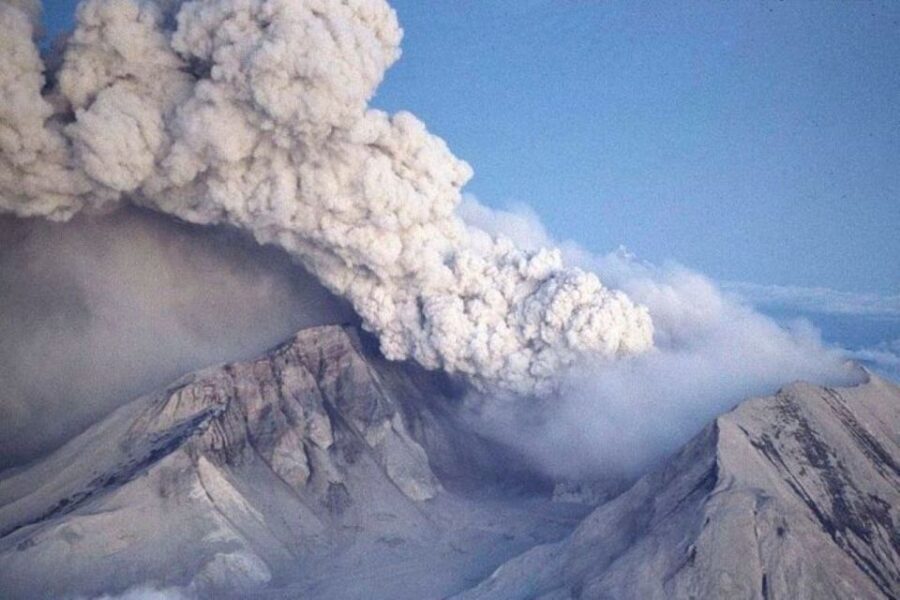
- Johnston Ridge Observatory sits about 8 km (5 mi) north of the summit in the 1980 blast zone
- David Johnston’s story is built into the site named for him, including the USGS Coldwater II connection
- A guided, science-forward route with stops at Coldwater Ridge Visitor Center and Coldwater Lake
- Small group size (max 14) means more time for questions and real conversation
- All-day pacing fits a 9-hour day trip from Seattle with bottled water included
- Geology + what’s growing now ties the eruption to the reforestation effort you can see
From Seattle to the Blast Zone: how this 9-hour plan feels
This is a true day trip. You’re picked up in Seattle and returned to Seattle, and the total time on the clock is about 9 hours, with a small group capped at 14 people. For a place this meaningful and spread out, that setup saves you the stress of coordinating driving, parking, and timing by yourself.
The schedule is built around a few anchor stops. You spend about 4 hours at Mt. St. Helens for guided visit time and scenic viewpoints along the way, then 1 hour at the Coldwater Ridge Visitor Center, and 4 hours at Johnston Ridge Observatory. The final 1 hour goes to Coldwater Lake before you head back.
One practical note: breakfast and lunch aren’t included. That doesn’t ruin the day, but it does mean you should plan your food so the hunger doesn’t steer your attention away from the geology and exhibits.
Other Seattle tours we've reviewed in Seattle
Mt. St. Helens viewpoints and reforestation: what you should actually watch for
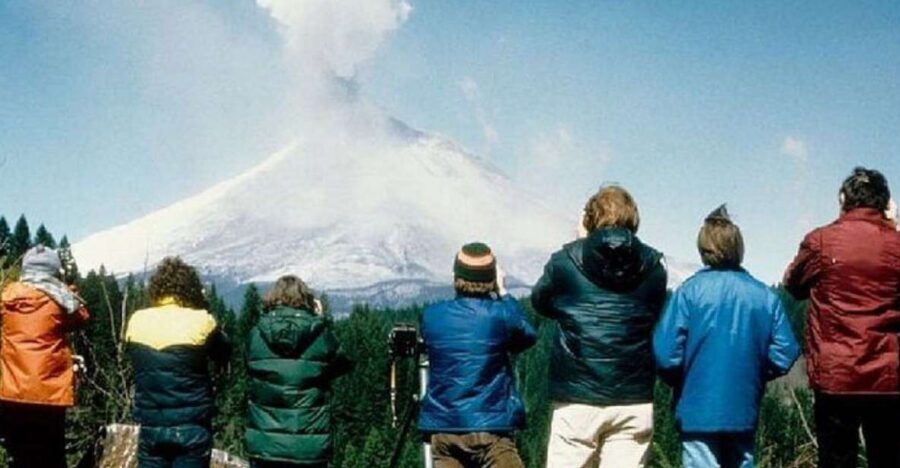
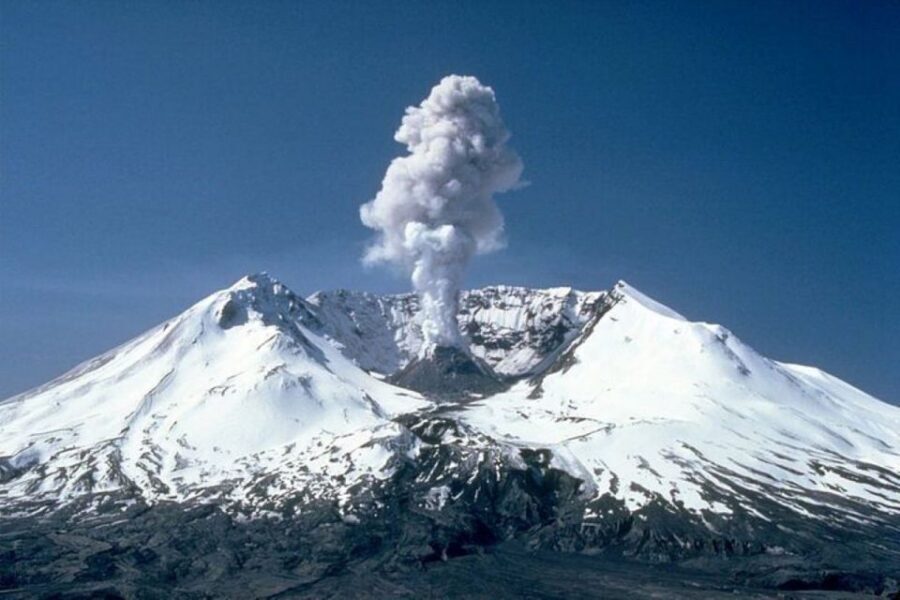
The heart of the day is time spent at Mt. St. Helens itself, with scenic views on the way and a longer on-site window. The eruption changed the mountain’s shape permanently, and the tour’s framing doesn’t treat this like a one-time disaster photo. Instead, you’re guided to notice what the area looks like now.
What I like here is the balance: you get the dramatic scale of the volcano, but you also get a chance to look at flora and wildlife returning in the wake of the 1980 eruption. Even if you’re not a plant expert, you can still pick up the patterns the reforestation effort creates—patches, growth areas, and the contrast between altered terrain and newer recovery.
Because your time at this stop is long (4 hours), you’re not rushed from one viewpoint to the next like a checklist. That matters at Mt. St. Helens, where weather, light, and your own curiosity can shift what you want to linger on. If you like slow looking—reading signs, stepping back for a wider view, then zooming back in—that longer window helps.
Coldwater Ridge Visitor Center: guided context before you reach the observatory
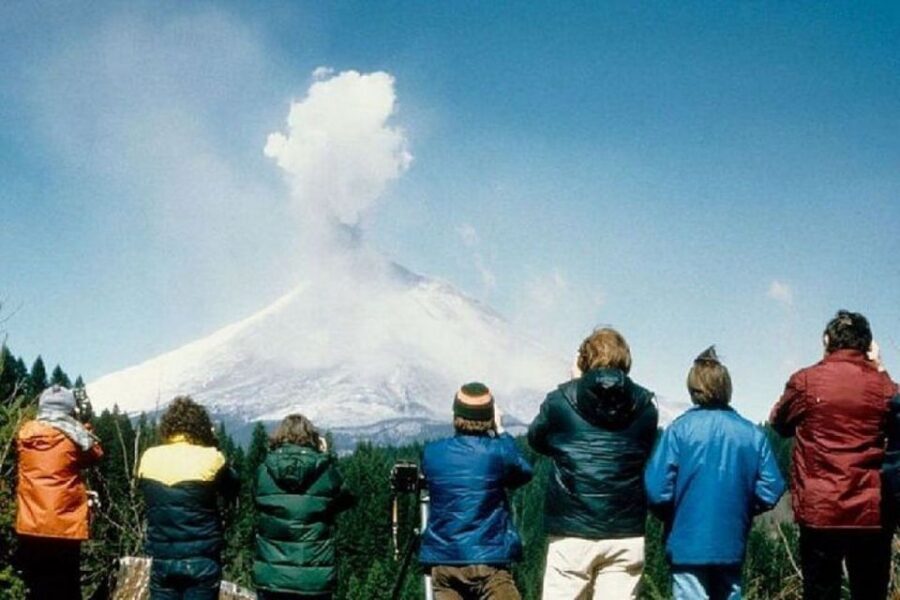
Between Mt. St. Helens and Johnston Ridge, you’ll hit the Coldwater Ridge Visitor Center for about 1 hour of guided tour time plus sightseeing. This is the part that makes everything after it click, because the visitor center helps you build context before you stare at the blast zone and monitoring story.
I treat stops like this as mental setup. You’re not just looking at scenery; you’re learning vocabulary—what the area means, why that ridge matters, and how the science connects to the eruption events. With a guide at this stage, you get a smoother shift from general viewing to more specific geology and volcano monitoring.
The drawback is simple: because it’s a guided visit plus sightseeing, your attention will be divided between listening and looking. If you prefer totally quiet, independent exploring, you might find yourself wishing for a little more free time here.
Johnston Ridge Observatory: the science room built into a tragedy
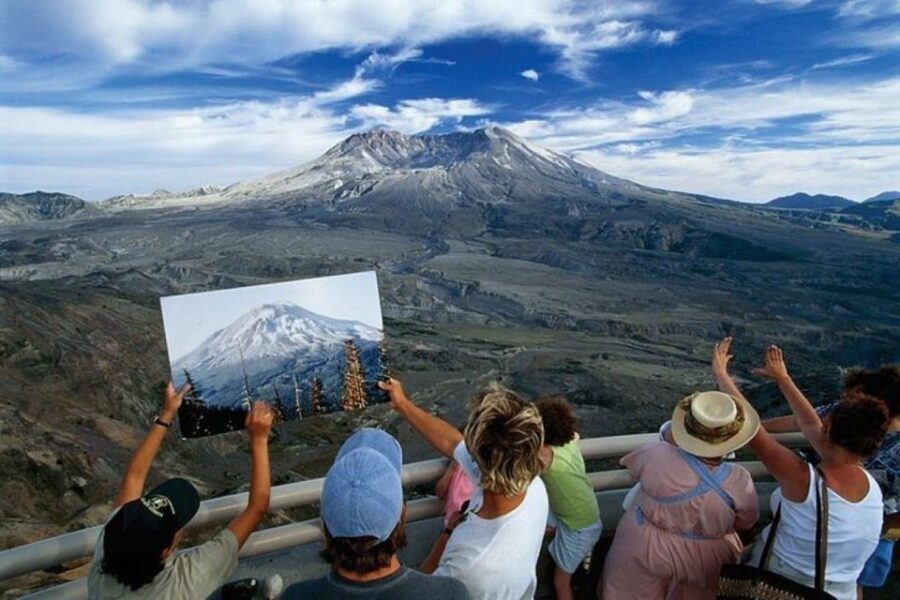
Johnston Ridge Observatory is the centerpiece. You’ll spend about 4 hours there, and the setting is specific: it sits on Johnston Ridge, in the center of the 1980 blast zone, roughly 8 km (5 mi) north of the Mount St. Helens summit. That location alone explains why this spot became central to both public education and ongoing monitoring.
The observatory is also named for David Johnston, a USGS volcanologist who was on duty during the May 18, 1980 eruption. The name isn’t just memorial—it connects you to what happened in the moment and why volcano science exists in the first place. Johnston was at the USGS Coldwater II observation point, and the eruption led to the deaths of 57 people, including Johnston.
What I find powerful is the way the building ties history to the present. The observatory building houses seismic, deformation, and other monitoring equipment, and the data is relayed to the USGS Cascades Volcano Observatory for analysis. In other words, you’re not only learning about the past—you’re seeing how the region keeps track of volcanic activity now.
Because the observatory is open seasonally, your exact experience can vary depending on when you go. If you’re visiting during a period when it’s closed, you may get less time inside and more time on surrounding viewpoints. Either way, the guide’s explanations help you keep the big picture: this is a working science site built on hard-won lessons.
Coldwater Lake: finishing with recovery, not just impact
After Johnston Ridge, the day winds down with Coldwater Lake. You’ll have about 1 hour there with a guided visit plus sightseeing. This stop feels like a reset after the heavier history of the observatory, because your focus shifts back to how the environment looks over time.
The tour’s big theme is reforestation, and Coldwater Lake is a natural place to absorb that. You’re still in the broader blast zone world, but the mood is more reflective than dramatic. If you pay attention to how the area looks now—how vegetation has returned and how the land sits after the eruption—you’ll leave with a stronger sense of recovery than a photo-only memory.
Even if you’re not big on lake views, the guided time helps you interpret what you’re seeing. That’s the real value of bringing a guide for this portion too: you get help turning a scenic stop into an understanding stop.



Price and value: is $285 for 9 hours a fair deal
At $285 per person for a 9-hour tour, the value depends on what you’re trying to optimize: time, guidance, and reduced hassle.
Here’s what’s included that supports the price:
- Pick-up and drop-off in Seattle
- Bottled water
- A live English tour guide
- A small group limited to 14
- Guided time at multiple learning stops (visitor center, observatory, and lake)
What’s not included is important for planning: breakfast and lunch aren’t part of the package. So if you’re budgeting like you would for a standard day trip, set aside money for food or plan to bring your own.
Where the tour really earns its cost is the guided concentration. Mt. St. Helens isn’t the kind of place where you want to wing it for hours and hope it all makes sense. The observatory story—David Johnston, Coldwater II, and how monitoring equipment feeds USGS analysis—becomes far more meaningful when someone is guiding the order you experience it.
The guide makes the day: Bob and Chad’s approach
This tour shines when the guide keeps the group moving at a comfortable pace and answers real questions. In past outings connected with this experience style, Bob earned strong praise for making the day fun and exploratory. If the guide is willing to help you look beyond the obvious and slow down for explanation, the day feels lighter and more personal.
Chad also comes up as a standout. The consistent themes: he’s on time, patient, and flexible, and he offers options when you reach different stops. That matters because Mt. St. Helens viewing depends on what you want—some people want longer sign-reading time, others want more viewpoint scanning, and a calm guide can help you choose without making you feel rushed.
You can’t guarantee which guide you’ll get, but the big takeaway is practical: if the day is led well, you’ll spend less time translating information yourself and more time actually seeing what the guide is pointing out.
Practical tips so you enjoy the day more
A few small things can make a big difference on a volcano day trip.
First, plan your food. Since breakfast and lunch aren’t included, bring snacks or eat before pickup so you’re ready for the longer stops. You’ll enjoy the science explanations more when your energy level is steady.
Second, dress for changeable conditions. Even without knowing exact weather, mountain areas often run cooler and windier than the city. A light layer helps, and it keeps you comfortable for longer stops like the 4-hour observatory block.
Third, use the small-group size to your advantage. With a max of 14 people, it’s easier to ask questions and get targeted answers. If you’re curious about how the monitoring equipment relates to eruption risk, this is the moment to ask, not later.
Finally, give yourself time to read. The sites on this route are built around interpretation—signs, equipment context, and historical connections. If you let your eyes skim everything, you’ll miss what makes Johnston Ridge hit harder than a standard viewpoint.
Should you book this Mt. St. Helens tour?
Book it if you want a structured, guided Mt. St. Helens day that connects the 1980 eruption to what’s happening now—especially the science link at Johnston Ridge Observatory. The combination of small-group time, live English guiding, and the observatory’s built-in monitoring story is hard to replicate on your own in one day.
Skip it or reassess if your trip dates fall when the Johnston Ridge Observatory is closed seasonally, since that can change how much of the inside experience you get. Also, if you rely on provided meals, you’ll need to plan food since breakfast and lunch aren’t included.
For most people aiming for a meaningful day trip from Seattle, this is a good match: long enough to see the mountain and learn, organized enough to reduce driving stress, and focused enough that you’ll leave with more than just photos.
FAQ
How long is the Mt. St. Helens tour from Seattle?
The tour runs for about 9 hours total, with pickup in Seattle and return to Seattle at the end of the day.
What’s included in the tour price?
The tour includes pick-up and drop-off in Seattle and bottled water. It also includes a live English tour guide and guided sightseeing stops.
Is lunch or breakfast included?
No. Breakfast and lunch are not included, so plan to eat before or after, or bring snacks to get you through the day.
How big is the group?
The group is limited to 14 participants, keeping it small enough for more direct interaction with the guide.
Is the tour suitable for wheelchair users?
No, the tour is not suitable for wheelchair users.
Can I cancel for a refund?
Yes. Free cancellation is available up to 24 hours in advance for a full refund.