REVIEW · MT ST HELENS TOURS
Seattle: Mt. St. Helens National Monument Small Group Tour
Book on GetYourGuide →Operated by Evergreen Escapes · Bookable on GetYourGuide
Volcano day with a thinking-person’s pace. Mt. St. Helens still feels personal to Americans, and this tour turns that famous eruption story into a real, walkable day in the woods and around crater country. I especially like the small group size (up to 10) and the expert naturalist guide who connects what you see with how the area changed. The one drawback to plan for: you’re in the Pacific Northwest, so it’s rain or shine, and some viewpoints can shift if road access changes.
I also like that the trip is built like a sequence of “sets,” not one long bus ride. You start with wetlands and old-growth history near Seattle, then you work your way toward volcano viewpoints—ending with time above Coldwater Lake when access to the most direct Johnston Ridge area is limited due to the 2023 mudslide. In short, it’s a full day with enough stops to stay interesting, but not so packed you feel rushed.
In This Review
- Key Points You’ll Care About (Before You Go)
- Seattle to Mt. St. Helens in 12 Hours: How the Day Flows
- Nisqually National Wildlife Refuge: Wildlife and Wetlands First
- Lewis and Clark State Park: Old-Growth Feel, Easy Hiking
- Mt. St. Helens Interpretive Center: What You’re Really Looking At
- Mt. St. Helens Proper: Lunch and a Guided Walk Near the Volcano
- Coldwater Lake Science and Learning Center: The View Plan B That Still Works
- Your Guides: Naturalist Work That Turns Stops Into Stories
- Price and Value: What $326 Buys You (And What It Doesn’t)
- What to Bring (So the Day Feels Good, Not Miserable)
- Who This Tour Is Best For (And Who Should Skip It)
- Bottom Line: Should You Book This Mt. St. Helens Tour?
- FAQ
- How long is the Mt. St. Helens small group tour from Seattle?
- Where does the tour pick up and drop off?
- What stops are included besides Mt. St. Helens itself?
- Is lunch included, and what is it like?
- Does the tour run in bad weather?
- What should I bring, and what is not allowed?
- Final Decision: Book or Pass?
Key Points You’ll Care About (Before You Go)
- Up to 10 people: easier questions, more personal attention, and less time waiting around.
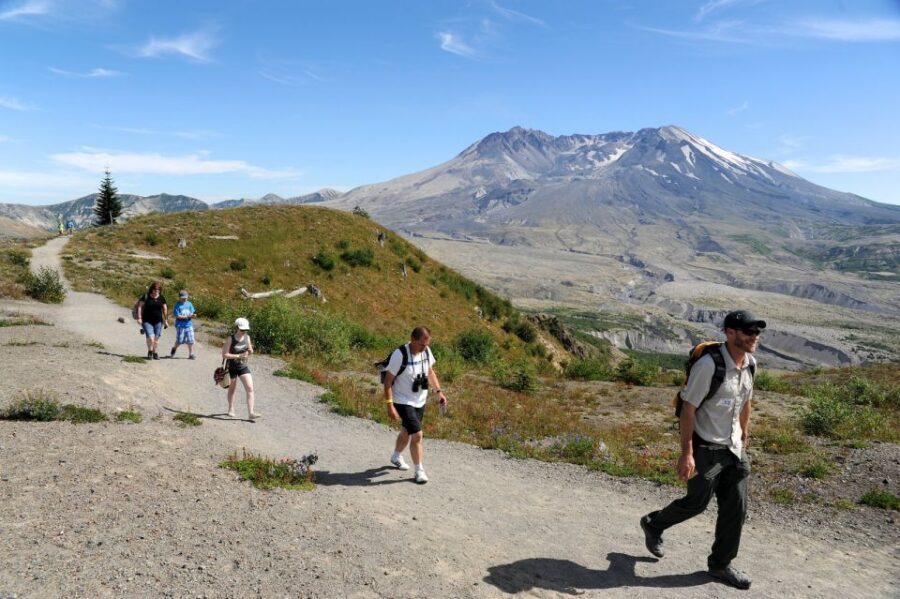
- Naturalist-guided walks: you get interpretation while you hike, not just drive-by photos.
- Coldwater Lake when Johnston Ridge access is limited: similar crater views plus interpretive stops.
- Picnic lunch with local ingredients: included, family-style, and planned for the day outdoors.
- Extra time for photos and short breaks: you’ll usually get moments to reset, not just nonstop motion.
- Bring binoculars: wildlife spotting is part of the day, especially at Nisqually.
Seattle to Mt. St. Helens in 12 Hours: How the Day Flows
This is a long day, about 12 hours door-to-door from downtown Seattle pickup. You’ll meet your guide early (hotel pickup generally happens between 7:00 and 7:30am), then you’re off in a high-roof passenger van with room to move around a bit and stay comfortable.
The rhythm matters here. The tour doesn’t treat Mt. St. Helens as the only stop—it builds in pre-volcano nature (wetlands and old-growth-adjacent areas) so the geology and reforestation later feel grounded in the real ecosystems you’re walking through. Expect short breaks too: coffee and a light snack in the morning, short photo and viewing stops, and time to actually walk on the trails rather than just stand at a parking lot.
Because this is rain-or-shine, you’ll want warm layers and comfortable shoes that can handle damp ground. If you’re hoping for a clear crater view, the best strategy is simple: accept that weather drives visibility, and stay flexible for the best windows of light.
Other Seattle tours we've reviewed in Seattle

Nisqually National Wildlife Refuge: Wildlife and Wetlands First

Before you reach volcano country, you’ll start at the Billy Frank Jr. Nisqually National Wildlife Refuge. This is where the day changes gears from city-adjacent energy into something slower and more alive.
You get a short break with coffee/tea and then a brief walk and wildlife viewing time (about 15 minutes). That might sound short, but the payoff is that you’re arriving early enough to catch activity around estuary wetlands. Even if you don’t see a ton, you’ll get oriented to how this coastal wetland system works—useful context once you later think about how ecosystems recover after major disturbance.
Practical tip: bring binoculars if you have them. This part of the day is one of the easiest places to use them, because you’re close to habitat rather than chasing wildlife with long drives.
Lewis and Clark State Park: Old-Growth Feel, Easy Hiking
Next up is Lewis and Clark State Park, where you’ll get a guided walk and some hiking time (about 30 minutes). This is a strong “breather” stop. You’re not trying to conquer a peak; you’re getting a sense of forest scale and how trees and understory plants set up the environment you’ll later see across the volcano’s changed terrain.
The tour’s guide-led approach helps you notice details you might otherwise speed past. The group is small, so you can ask questions without shouting over a crowd. If you like nature walks that teach you how to look—not just where to walk—this is one of the moments to enjoy.
A consideration: the hike time is short, but you still need good footwear. Trails can be uneven, and you’re outdoors all day.
Mt. St. Helens Interpretive Center: What You’re Really Looking At
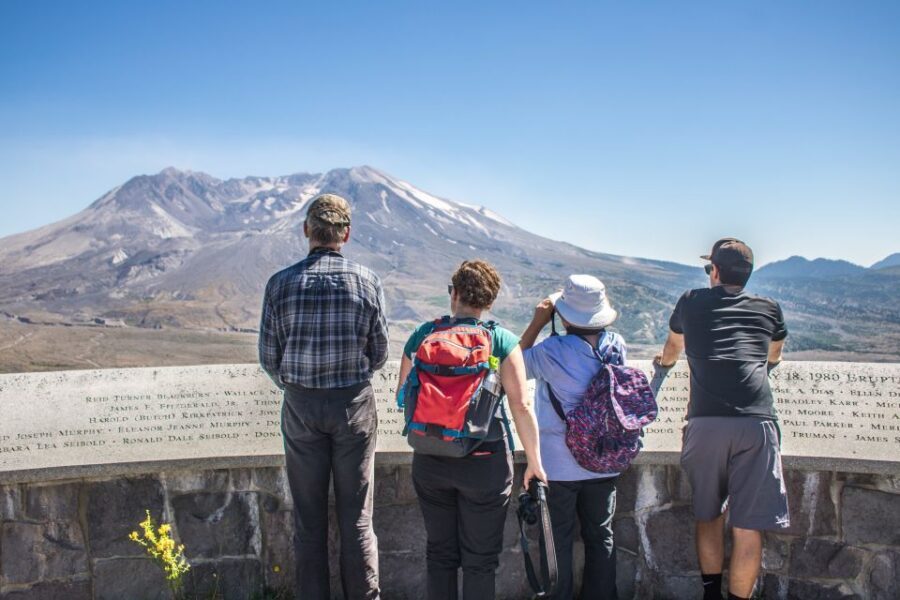
Then comes the Washington State Parks Mt. St. Helens Interpretive Center stop (about an hour). This is your “reset your brain” moment. Before you head out for crater-facing views, you’ll have time to explore interpretive information and take photos.
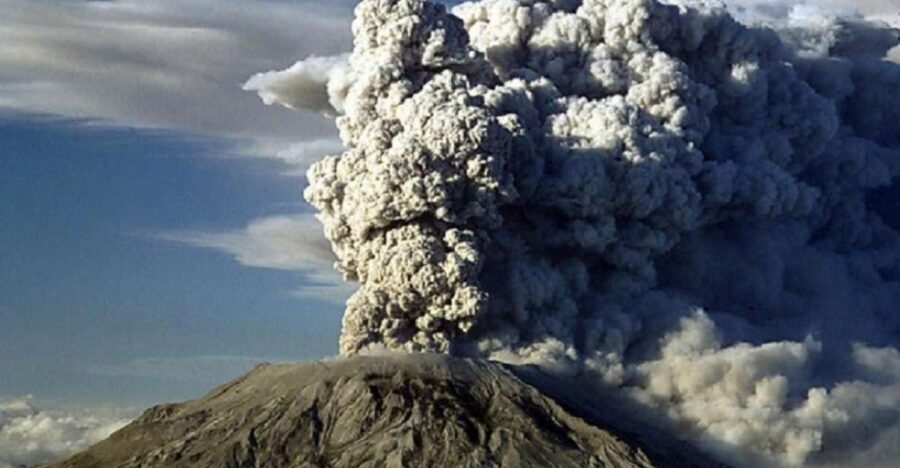
This part matters because Mt. St. Helens isn’t just scenery. The eruption permanently changed the topography, and the reforestation project is part of what makes the place so dramatic in the long-term. When the guide explains what you’re seeing—how landscapes evolve after disturbance—it’s easier to track later in the day when your feet are on the ground.
If the weather is cloudy, the interpretive center can still feel rewarding. It gives you meaning even when the view is limited.
Mt. St. Helens Proper: Lunch and a Guided Walk Near the Volcano
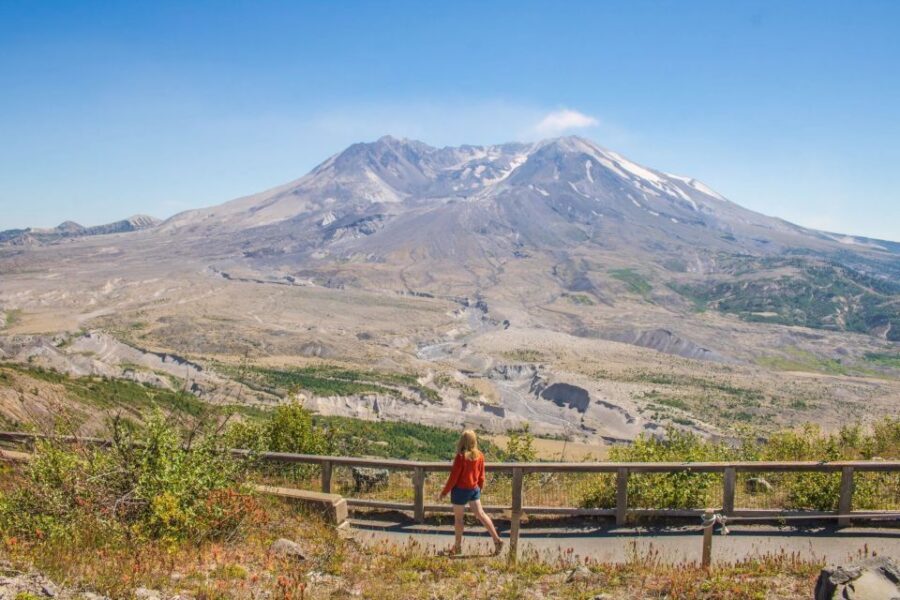
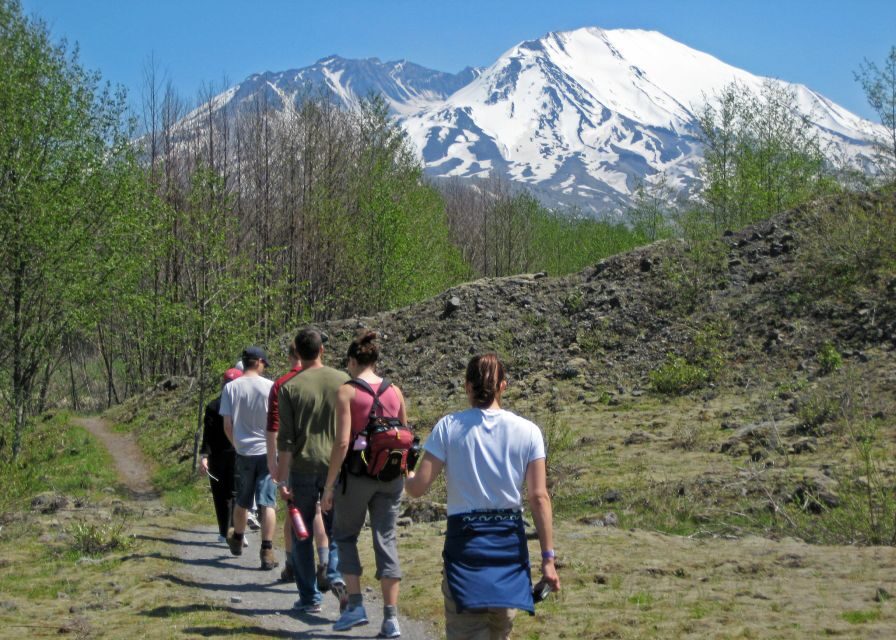
At the main volcano area, you’ll have a longer stop for lunch and walking (about 2 hours). This is where the tour commits to the heart of the experience: you get time to eat, then time to walk and explore, guided and paced for the group.
Lunch is included and planned as a seasonal picnic with a local catering partner. In at least one review, the lunch is described as family-style with local ingredients and even wine included—so it’s not just sandwiches wrapped in plastic. The best part is that lunch fits the outdoor setting, rather than being a rushed sit-down meal that pulls you away from the day.
Walking here is part of the value. You’re not stuck looking at the crater from one single angle. Even if cloud cover limits visibility, the guided hike still helps you connect the geology and the vegetation recovery to what you’re seeing in real time.
Other Mt St Helens tours we've reviewed in Seattle

Coldwater Lake Science and Learning Center: The View Plan B That Still Works
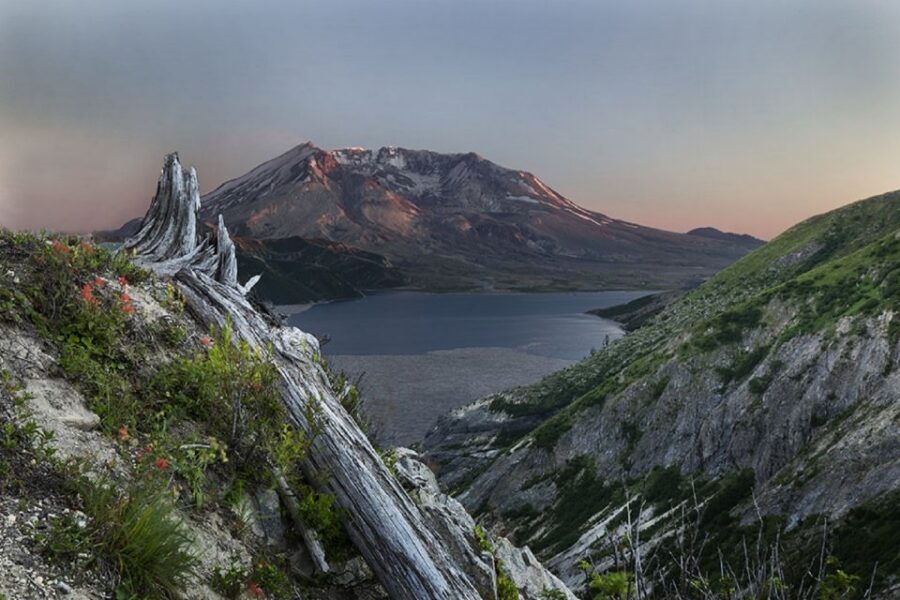
Here’s the practical twist in today’s version of the trip: access can be affected by the May 14, 2023 mudslide that blocked the Spirit Lake Highway about 9 miles before Johnston Ridge Observatory. When that happens, it impacts access to the Johnston Ridge viewing area.
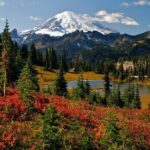
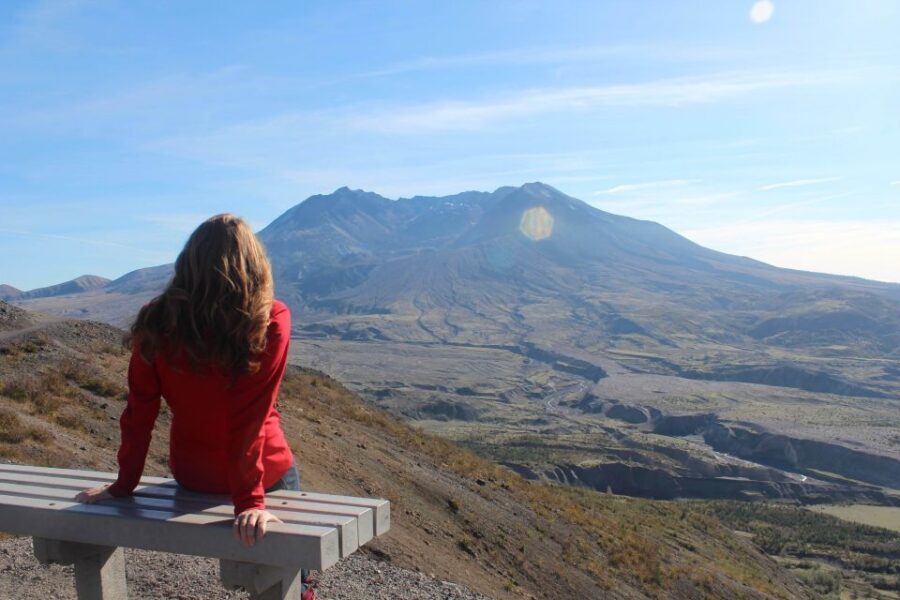
Instead, the park crews opened public access to the Science and Learning Center at Coldwater Lake, which can offer very similar views to what you’d expect at Johnston Ridge. On the tour, you’ll stop at the Science and Learning Center (about an hour), with time for scenic viewpoints, interpretive info, shopping, and photos.
If you’re worried this means a “downgrade,” don’t be. This stop is set up to keep the experience intact. You’ll still get the crater-facing perspective on clear weather days, plus a chance to browse information that makes the geology click.
Then there’s a final viewpoint stop later in the day (with a short break, about 15 minutes). It’s timed to give you one more chance to capture the view from above Coldwater Lake, which is the kind of moment you’ll remember even if the day starts foggy.
Your Guides: Naturalist Work That Turns Stops Into Stories
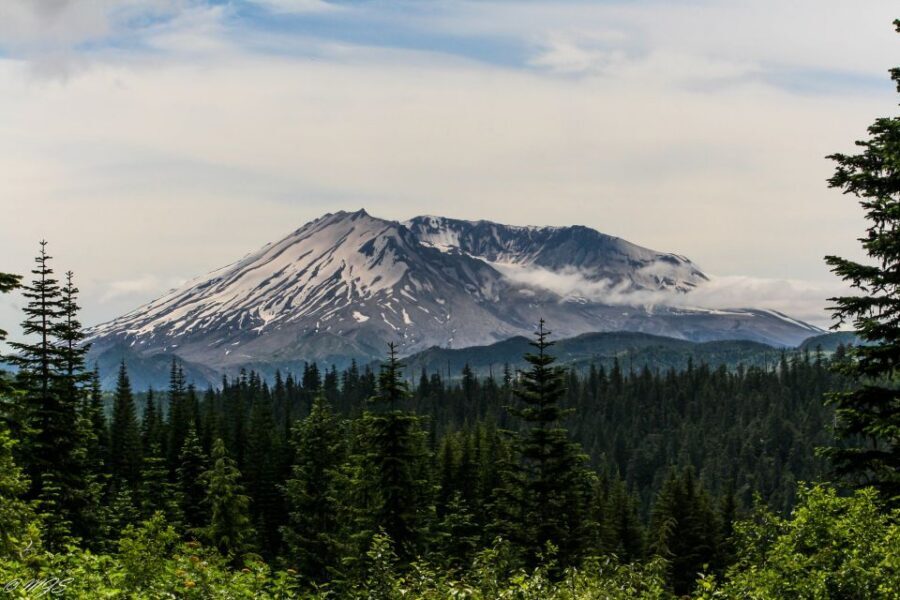
This tour’s biggest strength is how it’s guided. The group stays small, and the naturalist guide doesn’t just point. They explain.
Two guide names show up in feedback: Brent and Natascha. One review credits Brent as incredibly knowledgeable and praises the day as amazing. Another notes Natascha as very competent and caring, with an informative visit flow.
More importantly, you’ll get the kind of interpretation that makes you slower—in a good way. One review specifically mentions the guide taking time in the morning to introduce indigenous/local plants and explain their role, along with a simplified geological context of the area. That’s exactly what you want from a naturalist day: you should finish with a mental map of what the area is doing, not just photos of what it looks like.
Price and Value: What $326 Buys You (And What It Doesn’t)
At $326 per person for a full 12-hour day, this tour isn’t a bargain-basement option. But it does include a lot that usually costs extra if you DIY:
- Pickup and drop-off from downtown Seattle hotels (or the Sheraton Grand Hotel area)
- Transportation in a high-roof van
- Lunch as a seasonal picnic with local ingredients
- Coffee/tea with a light morning snack
- All-day snacks and refreshments (plus water)
- Park entry fees
- Expert naturalist guide
- Snowshoes in winter, if necessary
The value equation becomes easier if you hate planning traffic, parking, and interpretation on your own. You also get someone else handling the timing between stops. In a place where road access can shift due to mudslides and weather, that peace of mind is real.
What’s not included: guide gratuity. If you’re the type who always tips based on effort and friendliness, plan to set aside a little for that.
What to Bring (So the Day Feels Good, Not Miserable)
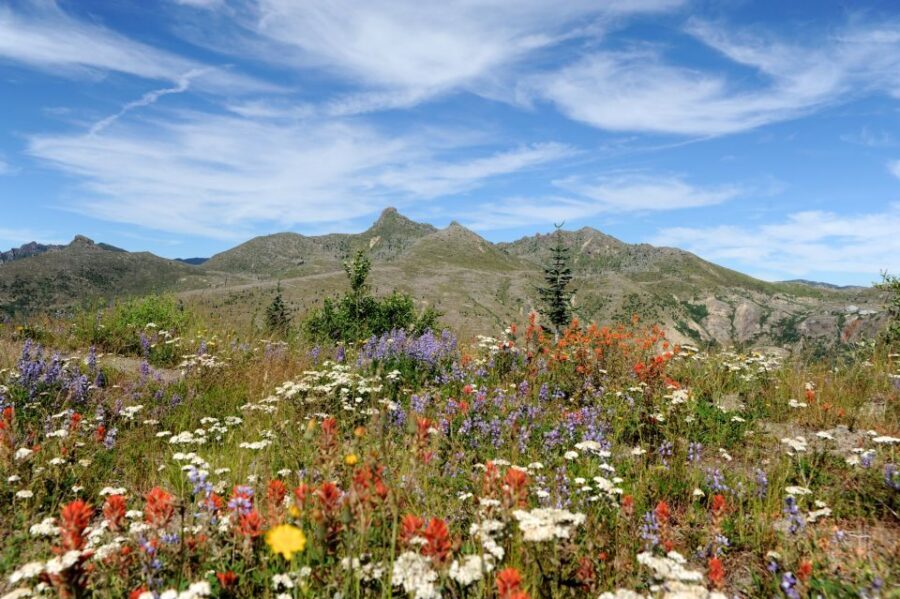
Keep your packing simple, because the tour doesn’t allow luggage or large bags.
Bring:
- Comfortable shoes for wet, uneven ground
- Warm clothing and layers (even if Seattle looks mild)
- If you have them, binoculars for wildlife viewing
Not allowed:
- Pets
- Luggage or large bags
- Drones
Also: you’ll be outdoors and walking, so motion sickness can be a factor in a long van day. If you’re sensitive, tell the operator ahead of time as the tour asks you to share medical concerns relevant to the experience.
Who This Tour Is Best For (And Who Should Skip It)
This is a good fit if you want guided nature and geology without the hassle of driving yourself all day. The small group size is ideal for people who like asking questions and not standing in a crowd.
It’s not suitable for:
- Children under 10
- Wheelchair users
If you’re okay with a full-day outing, short hikes, and weather variability, this tour can be a strong “big day out of Seattle” that still feels authentic.
Bottom Line: Should You Book This Mt. St. Helens Tour?
If your goal is a well-paced day that turns Mt. St. Helens into more than a single viewpoint, I’d book it. The combination of naturalist guidance, included picnic lunch, wildlife-and-forest context before the volcano, and a backup plan built around Coldwater Lake makes this a smart way to experience the area even when conditions change.
Skip it only if you need full wheelchair access, you can’t handle day-long outdoors time, or you’re looking for a quick hit with minimal walking. Otherwise, you’ll come away with both photos and understanding—and that’s the rare combo in day tours.
FAQ
How long is the Mt. St. Helens small group tour from Seattle?
The tour runs about 12 hours total.
Where does the tour pick up and drop off?
Pickup and drop-off are included from downtown Seattle hotels (or the Sheraton Grand Hotel at 1400 6th Ave, Seattle). Seatac and Tacoma pickup options may be available if you inquire.
What stops are included besides Mt. St. Helens itself?
The day includes stops at Billy Frank Jr. Nisqually National Wildlife Refuge, Lewis and Clark State Park, the Mt. St. Helens Interpretive Center, and the Science and Learning Center at Coldwater Lake, plus a final viewpoint break.
Is lunch included, and what is it like?
Yes. Lunch is a seasonal picnic with a local female-owned catering partner. It’s included in the price.
Does the tour run in bad weather?
Yes. The tour takes place rain or shine.
What should I bring, and what is not allowed?
Bring comfortable shoes and warm clothing. The tour does not allow pets, luggage or large bags, or drones.
Final Decision: Book or Pass?
Book this tour if you want a small-group day with guided walking, geology interpretation, and an organized route that still delivers crater views via Coldwater Lake when roads are affected. Pass if you need heavy accessibility support, want something shorter, or hate the idea of being outside and moving for most of the day.