REVIEW · SEATTLE
From Seattle: Round Trip by High Speed Ferry to Victoria, BC
Book on Viator →Operated by FRS Clipper · Bookable on Viator
Seattle–Victoria in one fast hop? That’s the appeal.
This round-trip high-speed ferry is an easy way to trade Seattle traffic for Puget Sound views and a straight shot to Victoria’s Inner Harbour. I like that the trip runs downtown to downtown with an easy walking start once you dock. I also like the practical on-board setup: comfy economy seating, a café for drinks and snacks, and duty-free shopping for last-minute gifts.
One key drawback to plan for: the “about 3 hours” crossing time can stretch on some days. Also, expect plenty of families aboard, which can turn the vibe a bit noisy.
In This Review
- Key Points at a Glance
- Downtown to Downtown: Pier 69 to Victoria’s Inner Harbour
- The Ride Itself: Comfort, Deck Views, and On-Board Energy
- Food and Duty-Free: What You Get, What You Pay For
- Border and ID Rules: Avoiding the Most Expensive Mistake
- Timing Reality: How Long Is the Crossing, and How Much Time Do You Really Get?
- Seating, Upgrades, and the Small Decisions That Change Your Day
- Crew and Service: Friendly Help, Plus Names to Remember
- Value for $192: Is This a Smart Use of Your Time?
- Who Should Book This Seattle to Victoria Ferry?
- Quick Booking Checklist Before You Go
- Should You Book This Ferry Day Trip?
- FAQ
- How do I get to the ferry in Seattle?
- What ID do I need to cross into Canada and board?
- Is the ferry round trip or one way?
- How long is the ride?
- Are meals included with the ferry ticket?
- Is there duty-free shopping on the ferry?
- What luggage can I bring?
- Are cars allowed on this ferry?
- Can I bring a bike or a dog?
- Is cancellation free?
Key Points at a Glance
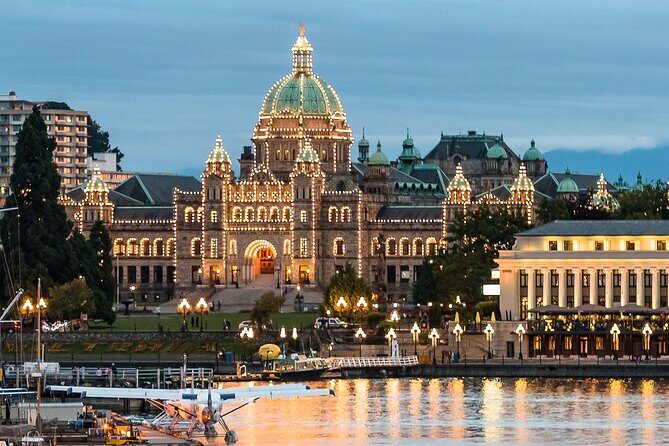
- Pier 69 to Victoria’s Inner Harbour means less transit friction once you arrive
- Roomy economy seating (some with tables) helps you eat or sip right where you sit
- Café + duty-free keep you covered on the water without needing to pre-pack everything
- Border rules are strict: use the right travel document and arrive early to avoid stress
- Return timing varies by day and season, so don’t build a super-tight itinerary
Downtown to Downtown: Pier 69 to Victoria’s Inner Harbour
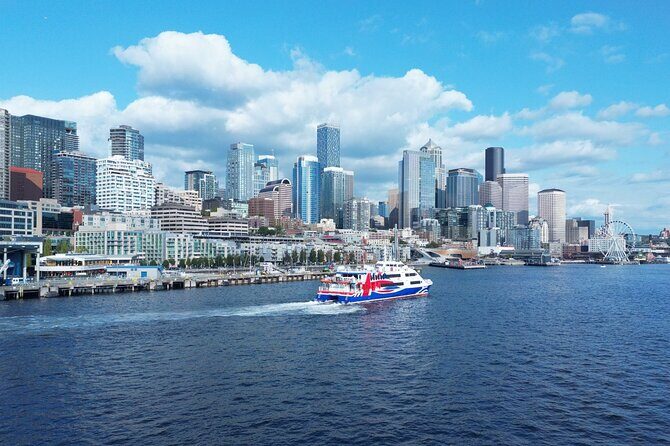
The best thing about this experience is the way it compresses your travel day. You meet at 2701 Alaskan Way in Seattle, go onboard at Pier 69, and then you dock in Victoria’s Inner Harbour, right in the downtown core. That matters because Victoria is most enjoyable when you can start walking immediately instead of budgeting time for getting from a remote terminal into town.
On the Seattle side, you’re boarding a passenger-only ferry—no cars or autos. So your “prep” is simpler than a road trip. You bring your carry-on, you handle your passport/Real ID check, and you’re mostly done. On the Victoria side, you step off near the action, so you can pivot fast: explore the waterfront, duck into shops, grab lunch, or even just wander until you find your favorite corner of the day.
There’s also a mental benefit. When you can picture exactly where you’ll be when you arrive (the Inner Harbour area), it becomes easier to plan a half-day or full-day outing. Many people treat this as a classic day trip. If you want a calmer pace, the same ferry also pairs well with a night in Victoria, since 4–5 hours in the city can still feel short depending on your plans.
Other Seattle tours we've reviewed in Seattle

The Ride Itself: Comfort, Deck Views, and On-Board Energy
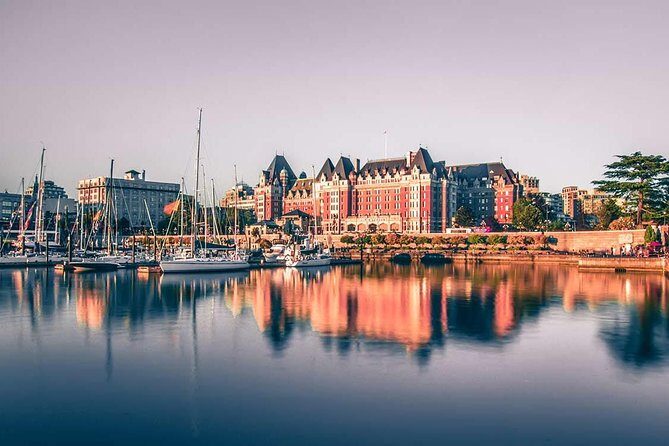
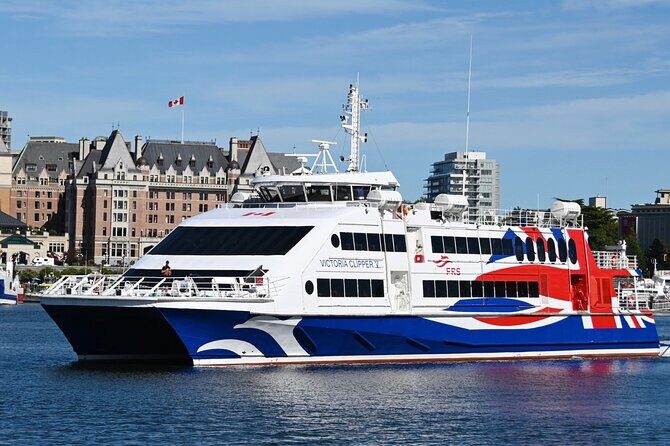
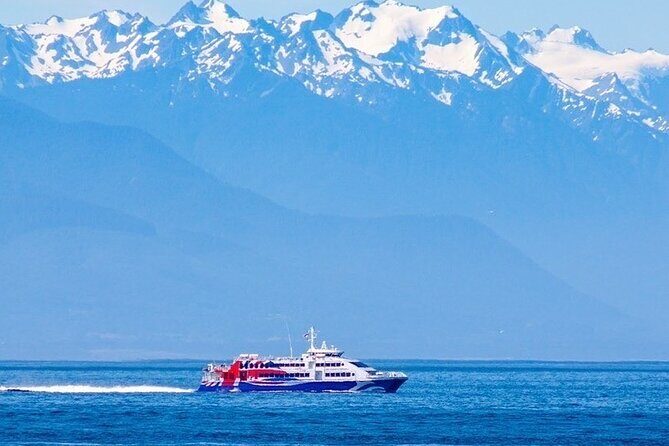
This is a high-speed passenger ferry operated by FRS Clipper, built for quick crossing across Puget Sound and into the Strait of Juan de Fuca. The route is scenic, and the ferry is designed so you can enjoy it without turning your whole day into a logistics project.
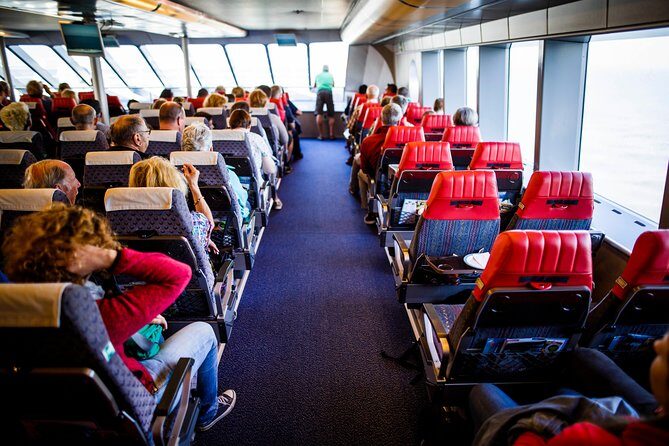
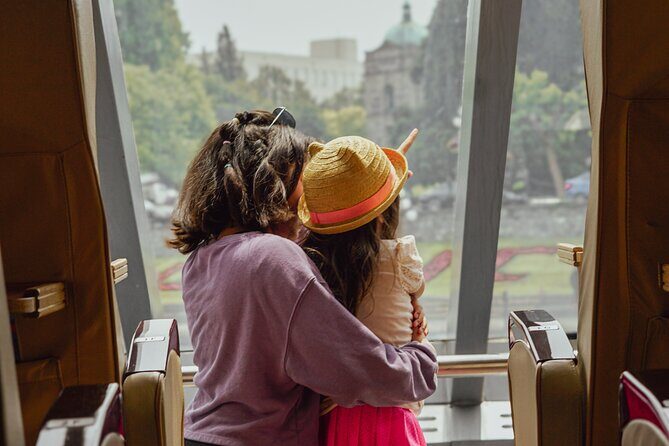
You’ll sit in economy seating that’s described as roomy and comfortable, with ample legroom. That sounds like marketing until you realize why it matters: you’re traveling for hours, not minutes, and your body notices it. Some seats even have tables. That’s handy if you grab a meal basket or just want to eat and drink without balancing everything on your knees.
If the weather cooperates, the deck time is your easiest win. You can step outside and watch the coastline, ship traffic, and the general “Pacific Northwest in motion” feeling. One practical note: weather can limit deck time. If it’s windy or rainy, you might be happier sticking close to your seat or the indoor areas.
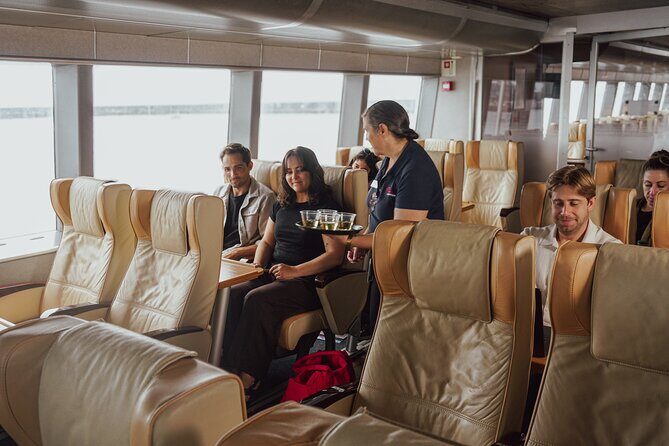
On board, you’ll find a café and duty-free shop. That’s not just about convenience. It’s about keeping your day flexible. If you forgot something small, or you decide last minute you want coffee before you arrive, you can handle it without a frantic scramble to find a store.
Food and Duty-Free: What You Get, What You Pay For
Here’s the clean breakdown: ferry transport is included, but meals and beverages aren’t. You can buy food and drinks at the café, and you can shop the duty-free for souvenirs and small luxuries.
A big practical difference vs. some other day-trip operators: you don’t have to commit to a pre-planned lunch. You can see what’s available on board when you board, then decide. The café exists because people want something warm or quick, not because you’re getting a meal package.
Duty-free is your backup plan for gifts. Many people time their shopping so they can pack it in a carry-on and still get out the door fast on arrival. If you’re the type who likes bringing home something small for coworkers or family, this is one less chore you’ll need to do after you step off the ferry.
There’s one caution that’s worth taking seriously: food selections can run out during peak periods, especially around meal times. If you have a must-have breakfast item or a specific drink, treat it like a “buy early” situation rather than a “wait and see” situation.
Border and ID Rules: Avoiding the Most Expensive Mistake
This part is not glamorous, but it can make or break your trip. To cross between the US and Canada by sea, you need a valid U.S. passport, passport card, Enhanced Driver License, or Enhanced ID card (EDL/ID). Importantly, the information is explicit that a Passport Card or Enhanced ID are not valid for air travel—but for this ferry crossing by land/sea, they can be valid.
You also need the right ID to board and move through checks smoothly. The boarding requirement is a Real ID or passport. And if you’re using a state-issued ID, do not assume two IDs are interchangeable. In one case, a Star ID was treated as the wrong category and boarding was denied. The takeaway: confirm your exact ID type is accepted for cross-border travel, and don’t rely on quick comparisons at the last second.
Another rule that matters: certain criminal convictions can affect entry into Canada. The data states that people with a felony may be denied entrance into Canada, and it notes that a DUI is considered a felony in Canada. If this applies to you, it’s worth checking details before you book so the day trip doesn’t turn into a border problem.
Finally, paperwork timing matters. You’re asked to plan to arrive one hour before departure. That buffer gives you time to get through the boarding process without turning into the person sprinting through a terminal with a half-drunk coffee.
Timing Reality: How Long Is the Crossing, and How Much Time Do You Really Get?
The tour listing gives an overall duration of about 3 hours and highlights the time-saving ferry approach. But actual crossing time can vary by day and season. Departure times also vary slightly based on the day of the week and time of year.
This matters most for day trippers. If you’re planning a packed Victoria schedule—specific shops, a scheduled tour, or dinner reservations—you should assume you might not get the exact timing you first imagined. The day trip can feel tighter if the crossing runs longer.
On the Victoria side, you’ll dock at the Inner Harbour and then you’re free to explore on your own. That’s a good setup if you like flexibility. But it means you’ll need to build your “must-dos” around your return departure time back to Seattle.
A practical way to handle this: pick a small set of targets in Victoria and keep one “wander window” unbooked. If you have time, it becomes a bonus. If you don’t, at least your core plan survives the schedule.






Seating, Upgrades, and the Small Decisions That Change Your Day
This experience includes economy seating and carry-on luggage. You’re allowed one small carry-on, and if you need checked luggage it’s listed as $20 per piece each way.
Economy seating works for many people. But the upgrade option can be worth it if you’re sensitive to comfort, want better viewing, or simply like the idea of having a more relaxed ride. The operator lists Comfort and Vista Class seating as available for upgrade, and one review specifically mentioned a Vista upstairs upgrade for $20. That’s not a guarantee price, but it gives you a clue that upgrades can be a modest add-on depending on availability.
If you like eating or using a table, aim for seats that have tables (where offered). You’ll be happier than trying to manage food on your lap during hours at sea.
Also, plan for the human factor onboard. This is a passenger ferry and it can skew family-friendly. In some sailing conditions, the noise level can be noticeable—kids running and parents on phones is one pairing that can make the cabin feel chaotic. If you’re easily bothered by that, consider choosing seating farther from high-traffic areas, and lean on the quiet of deck time when the weather allows.
Crew and Service: Friendly Help, Plus Names to Remember
One of the best things about FRS Clipper ferries is that the crew tends to be helpful and organized, and many passengers specifically praised individuals by name. Names that came up include Hank, plus Deb, Ashley, and Jessinine.
That matters because the ferry is a moving border-crossing environment. Questions come up: where to go for boarding, how to handle carry-on, when to be back at the dock, and what to do if something feels off. When the crew is friendly and competent, you get less stress and more “show up and go” travel.
You might also notice crew efficiency at the major moments—boarding, passing through checks, and getting everyone back safely. One person even noted the pilot and crew as excellent, and that kind of competence is exactly what you want on a fast crossing.
Value for $192: Is This a Smart Use of Your Time?
Let’s talk value honestly. At $192 per person for a round-trip ferry, you’re paying for speed, comfort, and convenience. You’re not paying for a guided tour of Victoria. You’re paying to skip the long drive option and land right in downtown Victoria.
So the question is simple: does the ferry save you enough hassle to justify the price? If you’re flying into Seattle, trying to avoid rental car problems, or you hate the idea of long road time and parking, this price can feel reasonable fast. You’re also getting a comfortable ride with seating, plus on-board amenities like a café and duty-free.
But if you’re the type who hates spending money without fixed plans, you should know what you’re buying. You’re getting transportation and freedom on arrival, not a packaged Victoria experience. For many people, that works perfectly. For others, it can feel like the crossing cost is high if the day in Victoria ends up too short for the cost.
My rule: book it if you want a low-friction way to reach Victoria for the day and you’re flexible about what you’ll do there. If you want certainty, the best upgrade isn’t seating—it’s adding an extra night in Victoria. That turns a tight day trip into a more relaxed itinerary where the ferry timing matters less.
Who Should Book This Seattle to Victoria Ferry?
This is a strong fit if you:
- Want a straightforward day trip with a simple start and end in downtown areas
- Prefer comfortable seating and onboard amenities over stressing about driving or parking
- Like browsing shops in both the duty-free area and Victoria’s Inner Harbour streets
- Travel with carry-on only (since that’s the included model)
It may be less ideal if you:
- Have a tight schedule with zero buffer and absolutely need exact crossing times
- Are very sensitive to noise on board during high-family-demand sailings
- Have complicated ID situations and haven’t verified your exact acceptance category
If you’re mobility-limited, it’s worth noting that crew assistance was specifically praised for a mobility issue. That’s a good sign, but you should still plan for normal boarding logistics and give yourself extra time.
Quick Booking Checklist Before You Go
Do these and your day is much smoother:
- Verify your exact border-accepted document for Canada entry (passport or the listed alternatives for sea/land travel)
- Arrive one hour early even if everything feels obvious
- Keep carry-on rules in mind: you get one small carry-on, checked luggage costs extra
- Double-check the return time for your specific day and season so you don’t get stranded in “wait, what time does the boat go” mode
Also, if you’re traveling with a dog or a bike, the info is explicit that restrictions apply and you must advise at booking. That’s not the place to improvise.
Should You Book This Ferry Day Trip?
If your goal is a fast, comfortable way to reach Victoria without dealing with roads, traffic, and downtown parking, then yes, this ferry is usually a smart move. The combination of downtown locations, comfy seating, and onboard shopping/café makes it a practical choice even for a first trip to Victoria.
But book with your eyes open. Crossing times can vary, and board vibes can get loud on family-heavy sailings. If you give yourself a timing cushion, verify your ID carefully, and keep your Victoria plan flexible, you’ll likely feel like you got your money’s worth.
FAQ
How do I get to the ferry in Seattle?
The meeting point is 2701 Alaskan Wy, Seattle, WA 98121, USA (Pier 69 area).
What ID do I need to cross into Canada and board?
You need a US passport, passport card, Enhanced Driver License, or Enhanced ID card (EDL/ID) to cross by land and sea. Boarding also requires Real ID or a passport.
Is the ferry round trip or one way?
This experience is a round-trip ferry from Seattle to Victoria and back to the same meeting point.
How long is the ride?
The duration is listed as about 3 hours (approx.). Departure times and travel schedules can vary by day of week and time of year.
Are meals included with the ferry ticket?
No. Food and beverages are available for purchase on board.
Is there duty-free shopping on the ferry?
Yes. There are duty-free shops on board.
What luggage can I bring?
You’re allowed 1 small carry-on. Checked luggage is available for a $20 fee per piece, each way.
Are cars allowed on this ferry?
No. This is a passenger-only ferry service, and autos are not allowed.
Can I bring a bike or a dog?
There are restrictions with bikes and dogs. You must advise the provider at time of booking if you need to bring one.
Is cancellation free?
Yes. Free cancellation is available up to 24 hours in advance for a full refund.