REVIEW · WORKSHOPS
Hands on Sushi Rolls class
Book on Viator →Operated by Fumikob services · Bookable on Viator
Seattle rain calls for sushi lessons. With teacher Fumiko, you pick ingredients at a local market, then roll sushi with clear, step-by-step coaching. I love the hands-on pace and the fact that a small group means more attention. The one thing to plan for: there’s a walk to the market, so comfy shoes matter.
This is a cozy 2.5-hour class at Prune Kitchen Seattle where you make multiple roll styles, then sit down to eat them right away. You’ll also get miso soup and green tea, plus dinner is included.
In This Review
- Key highlights at a glance
- Prune Kitchen Seattle: where sushi skills get real
- The market walk: choose your ingredients like you mean it
- Fumiko’s teaching style: patient, practical, and focused on technique
- What you’ll make: three rolls you can repeat at home
- Meals included: lunch from your rolls plus miso soup and green tea
- Timing and group size: why the class feels unhurried
- Price and value in Seattle: what $125 really covers
- Who this sushi class is best for (and who should rethink)
- Practical tips for a smooth, tasty Seattle class
- Should you book this hands-on sushi rolls class?
- FAQ
- Where does the Hands-on Sushi Rolls class start?
- How long is the class?
- How many people are in the group?
- What sushi and drinks are included?
- Is lunch included?
- Is dinner included too?
- Can kids attend?
- What if I need to cancel?
Key highlights at a glance
- Market ingredient picking: Choose what goes into your rolls before you start rolling.
- Hands-on coaching with Fumiko: Easy explanations, patient help, and plenty of time at the cutting board.
- Small group limit (max 8): Less waiting, more guidance, better odds you’ll nail the details.
- You eat your work: Lunch includes the sushi you create, plus miso soup and green tea.
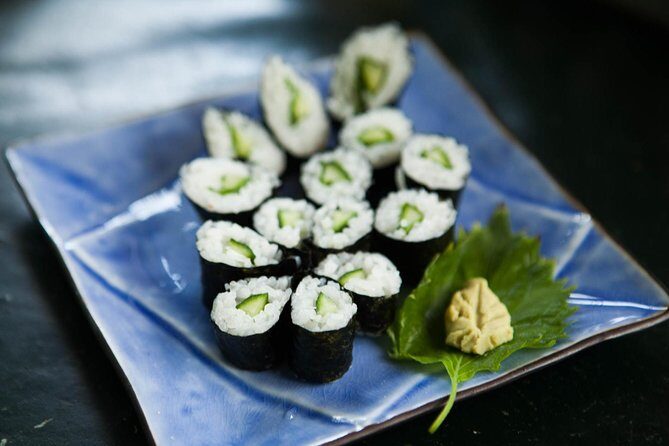
- Three roll styles: Smoked salmon, cucumber, and a larger roll with vegetables, cream cheese, and fish.
Prune Kitchen Seattle: where sushi skills get real
If you’ve watched sushi videos online and thought, I could never do that, this class is built to fix that feeling fast. It runs about 2 hours of cooking school time inside Prune Kitchen Seattle, and it’s paired with the prep stage where you pick ingredients at a nearby market.
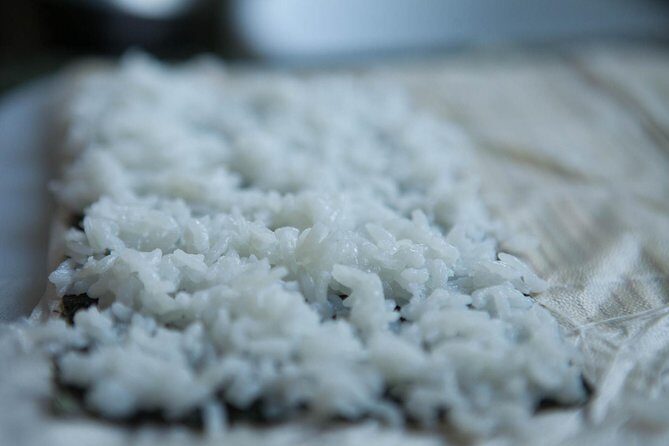
The room setup matters here. You’re not just watching someone roll while you take notes. You’re hands-on from the start, with Fumiko guiding you through each step so you can actually learn the feel of rolling—rice spread, filling placement, tightening the wrap, and getting clean cuts.
And yes, it’s in a quieter pocket of Seattle. One review note that it’s out of the way is your hint to build a little extra time into your arrival so you don’t walk in rushed.
A few more Seattle tours and experiences worth a look


The market walk: choose your ingredients like you mean it
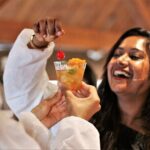
A big part of this experience is selecting your ingredients at a local market. That changes the whole vibe. Instead of following a preset “kit,” you get to make choices—especially helpful if you’re picky about what fish looks like, or if you want to tailor the roll to what you’re in the mood for.
Plan for the walk. Reviews mention it can be close to a 2-mile round trip, and that means you should bring comfortable shoes even if you’re not doing anything strenuous. If you have mobility constraints, this is the part to think through ahead of time.
The upside? You’re learning in a real Seattle setting. Even if you’re new to sushi, this small market step helps you understand what makes ingredients fresh, and why quality shows up in the finished rolls.
Fumiko’s teaching style: patient, practical, and focused on technique
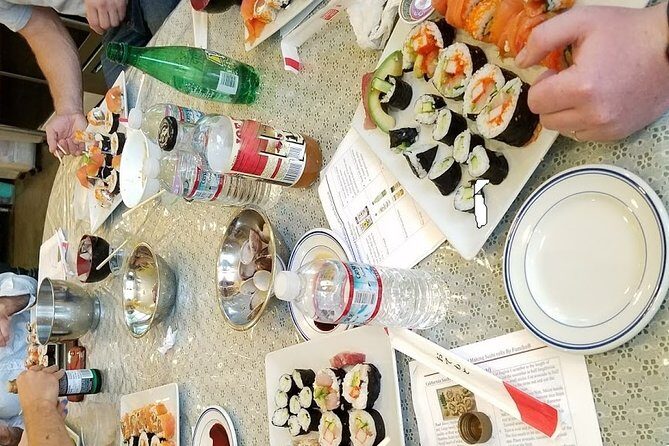
The class works because Fumiko’s instruction is built for actual beginners. Multiple reviews point out that she explains each step clearly and takes her time, and you can feel the difference between someone “teaching sushi” and someone teaching you how to do it yourself.
What you’ll like most is the mix of structure and flexibility. She’ll walk you through the basics—how to handle the rice, how to place your fillings, and how to form rolls cleanly. Then she’s there for the parts that trip people up, like keeping the roll tight and getting neat slices without smashing the shape.
A few reviews also mention stories and context, including a short tour of the fish market and some background lessons. That adds texture without turning the class into a lecture. You finish with both skills and a little understanding of where the ingredients come from.
What you’ll make: three rolls you can repeat at home
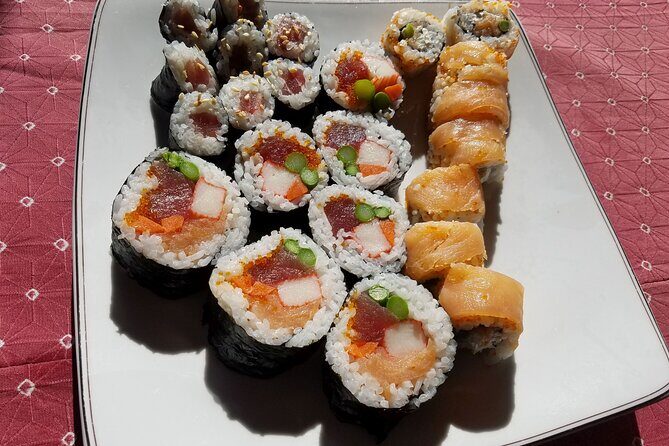
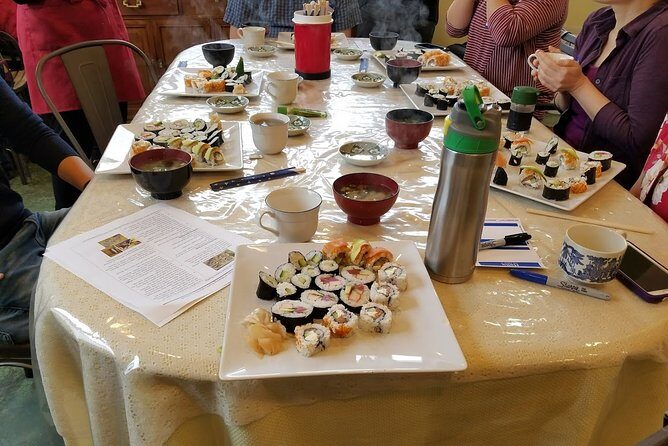
You’ll make multiple sushi roll types, with ingredients provided and portions enough for your group to work through the steps and then eat what you create. Here’s what’s included:
- Smoked salmon roll (8 pieces)
- Cucumber roll (8 pieces)
- A half large roll (4 pieces) filled with vegetables, cream cheese, and fish
What’s smart about this lineup is variety. The smoked salmon and cucumber rolls keep things straightforward and familiar, which helps you focus on core technique: rice handling and rolling tight enough to slice cleanly. The third option adds a richer filling mix, so you learn how to work with different textures and thickness in the roll.
This is also where you’ll build confidence for home cooking. Once you’ve rolled three different styles, you stop thinking sushi is one single skill. You start seeing it as a set of repeatable steps.
Meals included: lunch from your rolls plus miso soup and green tea
This class isn’t just hands-on cooking. You eat. And that matters because it reinforces what you made.
Lunch is built around the sushi you created, plus miso soup and green tea. So after you roll, you get a chance to taste the balance of flavors and textures right away—warm soup, cooled or room-temp roll, and that green tea reset between bites.
Then there’s also dinner included. The exact dinner details aren’t spelled out in the information provided, but the key point for you is that you’re not walking away hungry or scrambling for food afterward. It turns a class into a full, satisfying experience.
If you like to learn by doing, this meal setup is a big win. You get technique, then immediate feedback through taste.





Timing and group size: why the class feels unhurried
This runs about 2 hours 30 minutes total, and the cooking school portion is listed at around 2 hours. That schedule is long enough to actually learn and roll more than once, but not so long that you feel stuck in a long cooking slog.
The group size cap is max 8 travelers, which is a sweet spot. With that many people, Fumiko can still watch what your hands are doing and offer corrections. You’re less likely to get stuck waiting for supplies or relying only on the person next to you.
Dress code is smart casual, and reviews describe the environment as relaxed and friendly—so you don’t need to overthink what to wear. Just don’t show up in anything that restricts arm movement, because you’ll be working with rice and rolling tools.
Price and value in Seattle: what $125 really covers
At $125 per person, this is not a budget activity. But it’s also not a “just watch” experience, and that’s the difference.
Your price includes:
- A hands-on sushi class with Fumiko
- Ingredient selection at the local market
- Ingredient sets for the included roll styles
- Miso soup and green tea
- Lunch of the sushi you create
- Dinner
- A recipe
So you’re paying for instruction plus the full food experience, not just for a seat in a classroom. If you’ve ever bought sushi at restaurants in Seattle, you’ll notice quickly that quality ingredients and prepared portions add up fast. Here, you’re getting both the meal and the ability to make similar rolls yourself.
The “small group” factor also affects value. Paying the same price as a large-group class but getting closer coaching is the kind of trade-off I always look for.
Who this sushi class is best for (and who should rethink)
This is a great fit if you want a real skill, not just a fun activity. You’ll enjoy it if you:
- Like cooking or want to try something hands-on
- Want to learn sushi rolling basics with a patient teacher
- Prefer small groups and direct help
- Enjoy eating what you make
It may be less ideal if:
- Walking a market route is difficult for you
- You’re looking for a purely sightseeing tour (this is a cooking class first)
- You expect a full beginner-free experience without any technique focus—there is technique, and that’s the point
Age-wise, children must be accompanied by an adult, and one review included a teen who liked it. That suggests it can work for families, as long as the child can handle a casual classroom setting and the market walk.
Practical tips for a smooth, tasty Seattle class
A few small things will help you get the most out of the day.
1) Wear comfortable shoes.**
You’ll likely be walking to the market and back, and reviews specifically call out that comfort shoes help.
2) Arrive a bit early.
Because the location is described as out of the way, build in time so you’re not rushing your prep.
3) Dress smart casual, but moveable.
Smart casual is the stated dress code, so aim for something easy to roll in—sleeves that won’t drag in your workspace.
4) Tell them dietary needs up front.
You can advise specific dietary requirements at the time of booking. If you have restrictions, this is the moment to communicate them so the class can plan accordingly.
5) Keep expectations realistic.
You’re learning basics and building confidence. Even if your first roll looks a little imperfect, you’ll improve quickly because you’re doing it again with feedback.
Should you book this hands-on sushi rolls class?
I think you should book it if you want a fun Seattle activity that actually teaches you something. The best part is the combination of ingredient selection, hands-on rolling, and eating your results—and the fact that Fumiko’s instruction is paced for beginners helps a lot.
If you’re sensitive to walking, you should weigh the market walk before booking. For most people, though, it’s a very doable experience with high satisfaction and a “we can do this” learning vibe.
If you’re the type who likes short trips with real payback—skills you’ll use again at home—this one fits.
FAQ
Where does the Hands-on Sushi Rolls class start?
It starts at Prune Kitchen Seattle, 1508 25th Ave S #3708, Seattle, WA 98144. The activity ends back at the meeting point.
How long is the class?
The overall experience is about 2 hours 30 minutes. The cooking school portion is listed at around 2 hours.
How many people are in the group?
The class has a maximum of 8 travelers, which helps keep the attention focused on each participant.
What sushi and drinks are included?
You’ll make and eat rolls including smoked salmon roll (8 pieces), cucumber roll (8 pieces), and a half large roll (4 pieces) with vegetables, cream cheese, and fish. You also get miso soup and green tea.
Is lunch included?
Yes. Lunch includes the sushi you created.
Is dinner included too?
Yes. Dinner is listed as included.
Can kids attend?
Children can attend, but they must be accompanied by an adult.
What if I need to cancel?
Free cancellation is offered. You can cancel up to 24 hours in advance for a full refund.