REVIEW · SEATTLE
Pacific Science Center General Exhibit Admission
Book on Viator →Operated by Pacific Science Center · Bookable on Viator
Seattle’s science day is a fun win.
Pacific Science Center is packed with hundreds of interactive exhibits, and I especially like the Tropical Butterfly House and the Salt Water Tide Pool—both make learning feel physical, not just read-on-a-label. The main catch is that the general admission level can skew more kid-friendly than adult-focused, and some exhibits may feel a bit dated if you’re used to high-end museums.
You get mobile ticket entry and a flexible 2 to 3 hour visit, with extra add-ons like the IMAX documentary, plus planetarium and a daytime laser show if schedules line up. This is one of those places where you can turn a rainy Seattle half-day into something your whole group actually moves through.
In This Review
- Key Things I’d Plan Around at PacSci
- Pacific Science Center Ticket Value (and Who It’s For)
- Getting In: Hours, Last Admission, and Mobile Tickets
- Starting at the Butterfly House: Why It’s the Best First Stop
- Salt Water Tide Pool: Learning That Uses Your Hands
- Tinker Tank and Hands-On Engineering That Doesn’t Feel Like Homework
- Prehistoric Robotic Dinosaurs: Loud Fun with a Learning Angle
- Live Science Experiments and How to Catch the Best Moments
- Planetarium, Laser Show, and IMAX: How to Decide What’s Worth the Extra Spend
- How Long 2 to 3 Hours Feels in Real Life
- Price and Logistics: Parking, Location, and Getting Around Seattle
- What You’ll Love Most at PacSci (and What Might Feel Like a Miss)
- A Simple Booking Strategy That Matches Your Group
- Should You Book Pacific Science Center General Exhibit Admission?
- FAQ
- What is included with Pacific Science Center general exhibit admission?
- What is the price for admission?
- How long should I plan to spend at Pacific Science Center?
- Do I need to book IMAX tickets separately?
- Are the planetarium and daytime laser show included?
- What are the opening hours?
- Is the ticket a mobile ticket?
- Can I get a refund if I change my plans?
- Are service animals allowed?
- Are kids allowed to visit without an adult?
Key Things I’d Plan Around at PacSci
- Butterfly House time: Free-flying butterflies in a lush garden setting make an easy first win.
- Salt Water Tide Pool: Up-close sea life plus hands-on habitat learning.
- Tinker Tank makerspace: Engineering and design challenges you can do, not just watch.
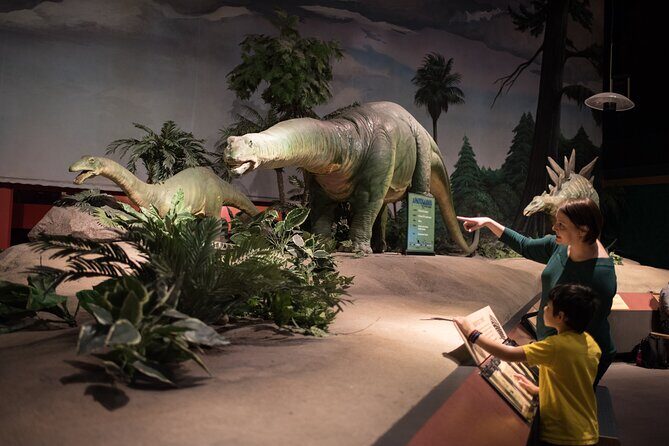
- Prehistoric robotic dinosaurs: Roaring thrills that work even if you only glance at science.
- Optional big-ticket add-ons: IMAX, planetarium, and laser show can improve your value if you’re matching the right show to your group.
Pacific Science Center Ticket Value (and Who It’s For)
At $33.75 per person, this isn’t a bargain ticket. But it can still feel like solid value if you use it the way the place is built: multiple hands-on zones in one visit, without needing to plan separate activities across town.
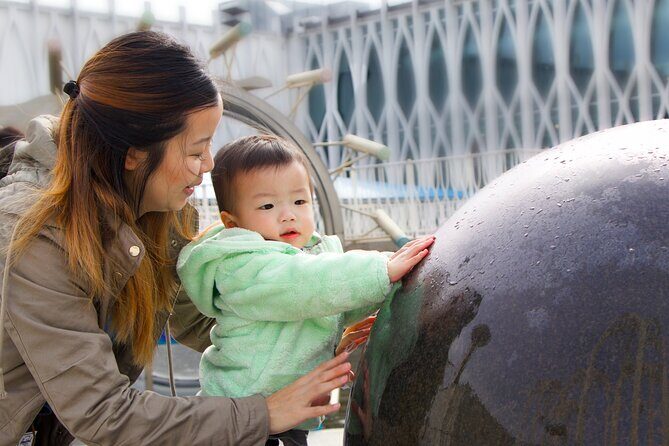
Here’s the practical way I see it. If you’re bringing kids—especially younger ones—you’ll likely get your money’s worth faster because you’ll want to try lots of stations back-to-back. The center is also set up for re-entry into curiosity: touch things, press buttons, watch a demo, then immediately try a related challenge.
If you’re an adult solo traveler, or you’re expecting a museum that feels cutting-edge, you might find the general exhibit focus less exciting. One common complaint I’d take seriously is that some exhibits feel basic or not fully updated, and the planetarium/laser programming isn’t always ideal for adults who want the big wow factor every step of the way.
If you're still narrowing it down, here are other tours in Seattle we've reviewed.



Getting In: Hours, Last Admission, and Mobile Tickets
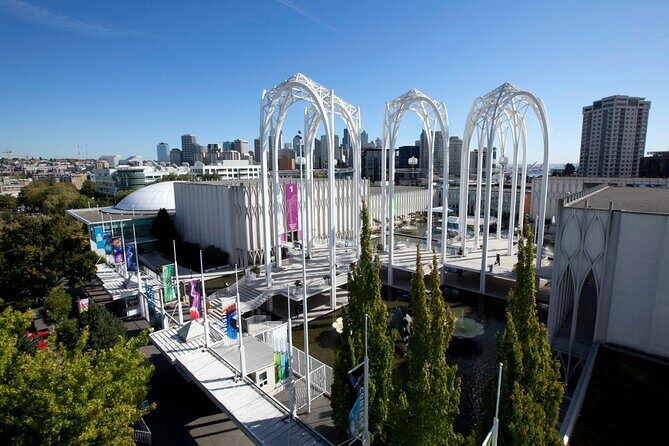
Plan around the daily rhythm. Pacific Science Center runs 10:00 AM to 5:00 PM Wednesday through Sunday, with last admission at 4:00 PM. During school holidays and breaks, it can run Monday through Sunday, but hours may shift—so check right before you go.
The good news: the mobile ticket makes entry quick. You don’t have to hunt for a paper voucher, and the whole process tends to be smoother when you’re moving with kids.
Also note a real-world tip: this is a large indoor day plan. If you show up late, you’ll feel it. With last admission at 4:00, I recommend arriving in the morning or early afternoon so you can do your must-dos without rushing.
Starting at the Butterfly House: Why It’s the Best First Stop
If I’m building your visit in a smart order, the Tropical Butterfly House should be early on. It’s the kind of exhibit that changes how the rest of the day feels. Free-flying butterflies in a lush garden setting create a calm, curious vibe—then you move from that softness into the more energetic, hands-on science areas.
What makes it work (besides the obvious wow factor) is the format. You’re not just staring at butterflies behind glass. You’re walking through an environment where the butterflies share the space with you, which naturally turns into questions: how they move, where they land, and what their presence means in a habitat setup.
Practical tip: dress for roaming. The butterfly area is a garden setting, so expect some time with your feet, and plan on it being part of your 2 to 3 hour window rather than a quick peek.
Salt Water Tide Pool: Learning That Uses Your Hands
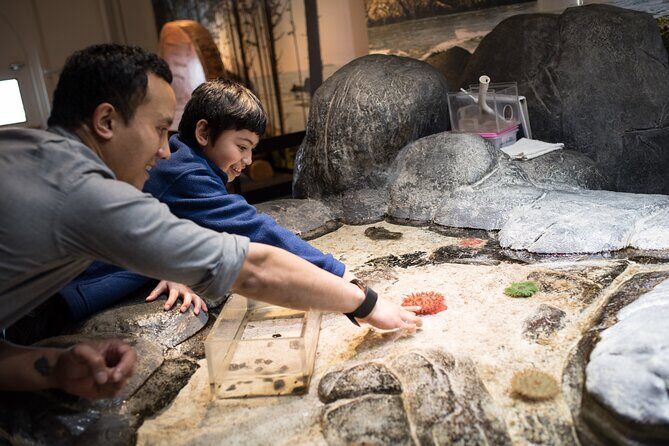
After butterflies, the Salt Water Tide Pool is a strong second stop because it flips the script from gentle observation to tactile learning. This is where you can interact with animals from Puget Sound waters while learning about habitat and how different species co-exist in a vital ecosystem.
This exhibit tends to land well because it connects science to real textures and real living systems. You don’t need a science degree to enjoy it—you just need to pay attention while you’re there.
If your group includes kids who get restless, tide pool stations can hold attention longer than you’d expect. It’s active learning: you’re close to what’s happening, and the information feels tied directly to what you’re experiencing in the moment.
Tinker Tank and Hands-On Engineering That Doesn’t Feel Like Homework
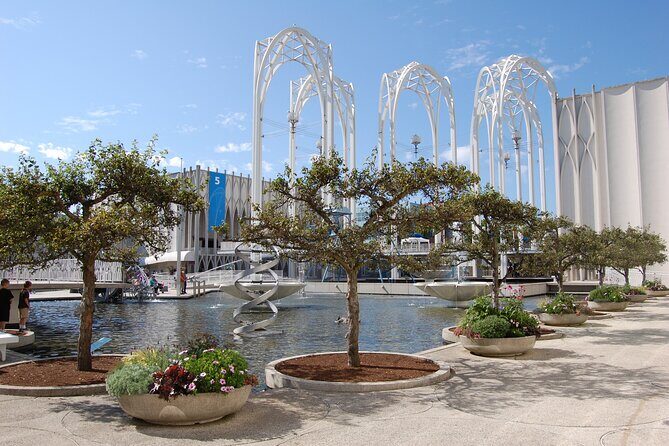
Next up is Tinker Tank, the makerspace with fun engineering and design challenges. This is where I like the center’s approach most: the science doesn’t just sit in the background. It becomes a task you can solve, test, and refine.
Even if your family isn’t naturally “maker” minded, these design zones help kids build confidence fast. They can try something, see what works, adjust, and repeat. For many kids, that feedback loop is the real lesson.
A small caution: makerspace activities can take longer than you plan, especially if a child is enjoying the process more than the clock. If you only have 2 hours total, I’d still prioritize Tinker Tank, but I’d set a gentle internal goal like one main challenge plus a quick tour of the surrounding area.






Prehistoric Robotic Dinosaurs: Loud Fun with a Learning Angle

The prehistoric environment with roaming robotic dinosaurs is a big energy shift, and it’s the kind of attraction that works for mixed ages. Even if a kid is only there for the dinosaurs, the setup is still wrapped in learning—habitats and behaviors are part of the experience.
This area is also useful when you’re managing attention spans. If your group starts to drift, loud, moving figures reset the day instantly. You’ll often find that the dinosaur section becomes a natural rally point.
If you’re visiting with kids who love animals or movement, don’t skip this. It’s often the “anchor” stop that keeps them excited through the rest of the day.
Live Science Experiments and How to Catch the Best Moments
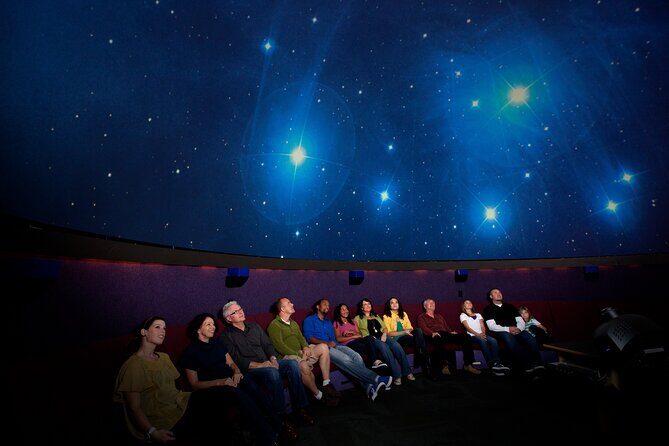
Beyond the core zones, there are also live science experiments running during the visit. The exact schedule isn’t provided here, but the concept matters: you’ll want some flexibility so you can pause and watch when something is happening.
When you’re planning your route, keep a little breathing room. A timed visit without any buffer can lead to a lot of walking and not enough of the best moments. If you see a live demo starting, treat it like a ticketed event inside the museum—even if it’s included.
Planetarium, Laser Show, and IMAX: How to Decide What’s Worth the Extra Spend
General exhibit admission is one thing, and the big-screen and show add-ons are another. Here’s what’s explicitly in the mix:
- IMAX documentary is available for purchase at the ticket booth for an additional fee.
- Daytime laser show and planetarium can be booked during your visit, availability varies.
The value decision is simple: match the show to your group.
- If you have kids who love visuals and want a “sit still” break, planetarium and laser programming can add variety.
- If your group is mostly there for hands-on play, you may not need them. The general exhibits already fill a 2 to 3 hour window well.
- For IMAX, it can be a great upgrade if you’re aiming for a high-quality big-screen documentary experience. But because it’s an extra cost, I’d only add it if your group will actually sit through it calmly.
One caution to plan around: if someone in your party is sensitive to light effects, the laser show might not be a comfortable choice. I’d base your decision on what you already know about your group and avoid the laser show if it tends to bother people.
How Long 2 to 3 Hours Feels in Real Life
Two to three hours sounds straightforward, but PacSci is the kind of place where a “quick look” turns into a second attempt. That’s a good thing—until you’re trying to fit too much into too little time.
Here’s a way to structure it so you don’t feel rushed:
- Spend enough time early for butterflies and tide pool (these are your attention-getters).
- Keep Tinker Tank as a real activity block, not a pass-through.
- Hit the dinosaur area for energy and a change of pace.
- Add live experiments when you see them.
If you’re only doing the included exhibits and skipping big add-ons, I’d still plan for closer to 2.5 to 3 hours if you want to actually enjoy the hands-on parts rather than speed through them.
Price and Logistics: Parking, Location, and Getting Around Seattle
A big practical factor is where you park. One caution from on-the-ground experience: the parking structure can be pricey and tight. If your car situation stresses you out, consider public transit.
Good news: the center is near public transportation, so you can reduce stress and keep the day moving. That’s a real value add, especially with kids in tow.
Location-wise, it’s convenient for a Seattle sightseeing plan. People often pair it with other nearby attractions, and it’s an easy rainy-day anchor because the whole core experience is indoors.
What You’ll Love Most at PacSci (and What Might Feel Like a Miss)
Let’s be honest about fit.
You’re likely to love this if you want:
- A kid-friendly science day with real interaction
- Animal habitat experiences that feel close-up
- Hands-on engineering through design challenges
- A dinosaur moment that turns science into play
You might feel less satisfied if:
- You’re an adult solo traveler expecting a more museum-style, consistently updated experience
- You’re hoping the included ticket covers the biggest visual productions (because planetarium and laser show are separate during your visit, and IMAX costs extra)
- You’re sensitive to bright light effects and loud sensory elements from shows
That doesn’t mean it’s not worth visiting. It just means you should be intentional about what you expect to get from the general admission versus what you add on.
A Simple Booking Strategy That Matches Your Group
Here’s how I’d book smartly based on what you’re likely to want:
- If you’re traveling with kids under about 12: plan on general admission as your core, and consider adding a show if it fits the child’s energy level.
- If your group includes adults who want more than hands-on basics: choose the butterfly and tide pool sections carefully, and only add planetarium/laser/IMAX if you’re sure people will appreciate them.
- If you’re short on time: prioritize butterflies + tide pool + one hands-on zone (Tinker Tank) and treat the dinosaur area as your “fun buffer.”
Also, prebooking helps. This ticket is commonly booked around 6 days in advance, and that’s a good sign for managing your schedule in a busy city.
Should You Book Pacific Science Center General Exhibit Admission?
Book it if you want an easy, all-in-one science outing where your group can hop between butterflies, tide pool learning, hands-on engineering challenges, and dinosaur thrills—without needing to coordinate multiple ticketed venues. At $33.75, it’s a worthwhile spend when you actually use the included exhibit variety and don’t treat it like a quick stop.
Skip or at least temper expectations if you’re an adult solo traveler seeking a high-end, always-fresh museum experience, or if your group hates show-based light and effects. In that case, you might prefer spending money on only the specific add-ons that match your tastes—like IMAX—rather than expecting the general exhibits alone to hit every interest.
FAQ
What is included with Pacific Science Center general exhibit admission?
General exhibit admission is included, along with local taxes. It covers access to the interactive exhibits such as the butterfly experience, tide pool area, and hands-on stations.
What is the price for admission?
The price listed is $33.75 per person.
How long should I plan to spend at Pacific Science Center?
Plan for about 2 to 3 hours.
Do I need to book IMAX tickets separately?
Yes. IMAX tickets are not included and can be purchased at the ticket booth for an additional fee.
Are the planetarium and daytime laser show included?
No. Planetarium and the daytime laser show are not included, but you can book them during your visit depending on availability.
What are the opening hours?
Wednesday through Sunday, it’s open from 10:00 AM to 5:00 PM, with last admission at 4:00 PM. Hours can vary, so you should check the website.
Is the ticket a mobile ticket?
Yes, entry uses a mobile ticket.
Can I get a refund if I change my plans?
Free cancellation is available up to 24 hours in advance for a full refund. If you cancel less than 24 hours before the start time, the amount paid is not refunded.
Are service animals allowed?
Yes, service animals are allowed.
Are kids allowed to visit without an adult?
Youth age 12 and under must be accompanied by a responsible adult or legal guardian throughout the visit.