REVIEW · HISTORICAL TOURS
Historic Tucson Walking Tour
Book on GetYourGuide →Operated by Thoughtful Chef Tours · Bookable on GetYourGuide
Downtown Tucson has a dark side. This 1-hour Historic Tucson Walking Tour mixes legends (including the haunted Hotel Congress), crime-era history, and street-art style mural stops in a route built for people who like their city storytelling human scale, not museum-scale. It’s led by a James Beard competition winning chef, so the facts land with flavor.
I especially like two things: you start at the courthouse tied to the Dillinger gang, and you get to see some of Tucson’s best custom murals without trying to hunt them down alone. One thing to keep in mind: this is an outdoor walk rain or shine, so you’ll want proper rain gear if the forecast looks iffy.
In This Review
- Quick hits before you start
- Starting at the Pima historic courthouse and the Dillinger-era thread
- Haunted Hotel Congress: ghost stories with real downtown texture
- Mural hunting in Tucson’s 1000+ custom mural buildings
- The rebuilt Spanish fort and Tucson’s layered timeline
- Why a James Beard chef-led guide makes this short walk feel worth it
- Logistics you should actually plan for (so the hour goes smoothly)
- Who this tour is best for
- Should you book this Historic Tucson Walking Tour?
- FAQ
- Where does the tour start?
- How long is the Historic Tucson Walking Tour?
- What is the price per person?
- What’s included in the tour?
- Are drinks included?
- What should I bring?
- Is the tour indoors or outdoors?
- Is the tour wheelchair accessible?
- What language is the guide?
Quick hits before you start

- Courthouse start tied to the Dillinger gang, so the history has a crime-show edge right away
- Haunted Hotel Congress stories, mixed into the downtown architecture you’ll actually see
- Mural route through Tucson’s 1000+ mural buildings, with stops picked for quality
- A rebuilt Spanish fort visit, connecting 1775-era Spanish presence to later chapters
- Snack included, which helps make a short tour feel complete
Starting at the Pima historic courthouse and the Dillinger-era thread

The tour begins at a very specific spot: the fountain in front of the Pima historic courthouse. If you’re driving, there’s a parking garage nearby, which matters because downtown can be a bit of a give-and-take between parking and walking.
Starting at the courthouse isn’t a random “meet here” choice. It sets the tone: you’re immediately in the layer of Tucson where American outlaws and local lore overlap. The Dillinger gang connection gives you a hook you can follow, and it also helps you understand why downtown buildings aren’t just pretty backdrops. In a compact 1-hour walk, the best tours waste less time on vague context and more time on clear connections—and this one opens with a concrete one.
The pacing matters too. With only an hour on the clock, you’re not getting dragged through long explanations. Instead, you’re getting story prompts tied to what you can see in front of you. That’s a big reason this kind of short, guided route works well when you’re juggling market time, museum time, or dinner reservations.
Other walking tours we've reviewed in Seattle


Haunted Hotel Congress: ghost stories with real downtown texture
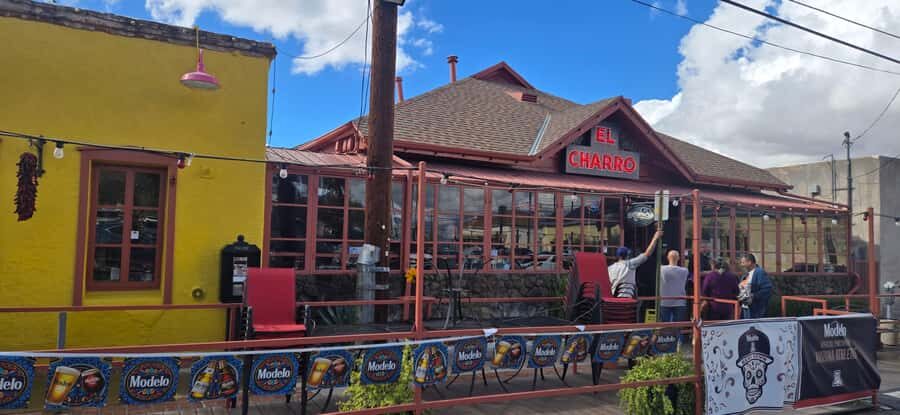
One of the headline stops is the haunted Hotel Congress. You’ll be walking into a place that’s famous enough to attract legends, but the tour approach keeps it grounded: you’re not just hearing spooky lines. You’re seeing the building as part of downtown’s evolution and learning why the stories cling to places like this.
This is where the chef-led style can help. A strong guide makes scary history feel like neighborhood history, not campfire theater. If you’re the type who likes a little chill in the air but still wants details you can picture, this stop hits that sweet spot.
Practical note: the tour is walking-focused, and you’ll be outdoors. If it’s hot or windy, the exterior viewing time may feel longer than you expect, so keep your comfortable-shoes rule in mind. Also, if you’re sensitive to ghost themes, you’ll still get the historical context; it just leans into the haunted reputation as part of the downtown story.
Mural hunting in Tucson’s 1000+ custom mural buildings
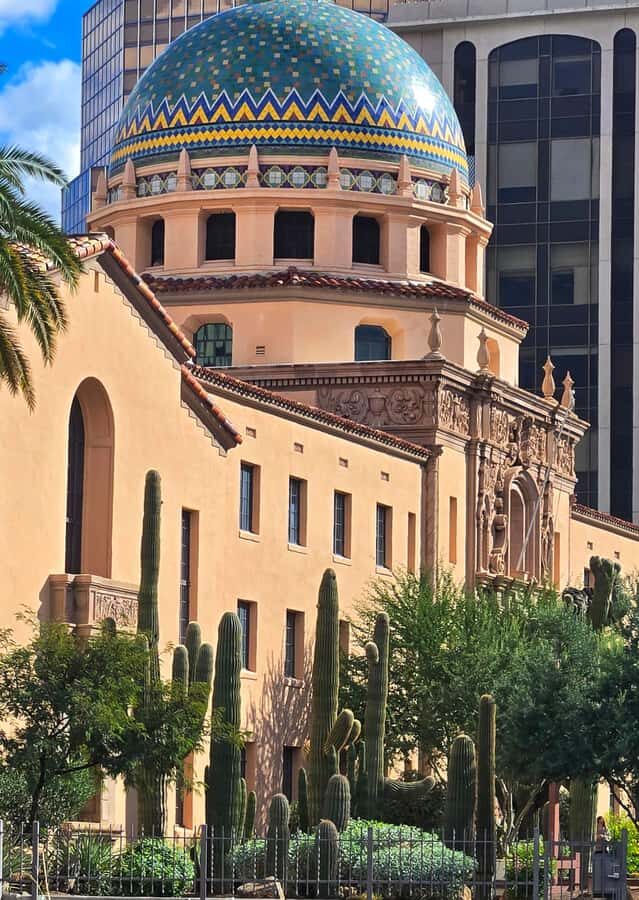
Tucson has over 1000 buildings with custom murals, and this tour takes the guesswork out of finding the best ones. Instead of wandering, you follow a guide-selected route to view several of the standout mural locations.
Why this matters: murals are one of the fastest ways to read a city’s personality. They show local identity, political humor, cultural memory, and art styles that shift block by block. In a short walking tour, you don’t want to spend your energy asking, Where should I look? You want to spend it actually looking—and that’s what the curated mural stops do for you.
You’ll also pick up a useful habit: learning how to see murals as part of the city’s built environment, not separate “art attractions.” When you know what to look for (themes, placement, how the artwork interacts with the street), you’ll notice more even after the tour ends. That’s especially valuable if you plan to keep exploring downtown on your own afterward.
Drawback consideration: murals are visual, and lighting changes quickly in the daytime. If you care about photos or want the best viewing conditions, aim for a start time that doesn’t leave you under harsh late-day glare. (And since this is only an hour, you can’t stretch your time the way you could with a longer walking tour.)
The rebuilt Spanish fort and Tucson’s layered timeline
The last major highlight is a visit to a rebuilt Spanish fort. This stop anchors the tour in the earlier chapters of the region: the Spanish built a fort here in 1775, long before Tucson became the city most people picture today. From there, the story layers forward into other periods—like when the Mormons occupied the fort in the 1850s for a brief time.
That time layering is the real value here. Tucson’s story isn’t a straight line. It’s built from overlapping cultures and practical survival choices. The tour also ties the broader timeline to irrigation and agriculture, noting that the original native tribes installed irrigation for crops over 4000 years ago. So even though you’re walking past buildings and viewing fort structures, you’re really learning about how people made the land workable over millennia.
The fort stop also connects neatly to food culture. The tour information points out Tucson being named the 1st city of Gastronomy by UNESCO. Whether you’re a big foodie or not, that detail is useful context. It signals that Tucson’s identity today comes from long-term local knowledge and community craft, not just from one single “attraction.”
What to expect physically: fort visits tend to be a mix of standing, looking, and short walking segments. Because the whole tour is only 1 hour, you’ll likely get a quick but meaningful orientation rather than a deep on-site examination. If you want longer time with the fort itself, you may treat this as the history primer that sets you up to return later.
Why a James Beard chef-led guide makes this short walk feel worth it
A big part of the appeal is the guide format: this is led by a James Beard competition winning chef. Even if you’re not thinking about food on a historical tour, that kind of training tends to affect how the story is delivered—clear structure, pacing, and details that feel memorable.
And that’s where the $32 price starts to make sense. You’re paying for more than “just walking around.” You’re getting:
- a live guide
- a short, efficient route through multiple themed stops
- and a snack included to keep the hour from feeling like a tease
For many visitors, that value equation is the deciding factor. A one-hour tour is perfect when you’re trying to pack in the essential feel of a place without spending half a day. And with the snack included (but drinks not included), you’re less likely to feel stuck hungry in the middle of your plans.
If your ideal vacation style is learning fast, seeing more per hour, and keeping moving, you’ll probably like this format. If you hate structured routes and prefer to wander without any direction, you might find the tight timeline limiting.
Other historical tours in Seattle




Logistics you should actually plan for (so the hour goes smoothly)

This is an outdoor walking tour that takes place rain or shine, and it runs for 1 hour. That means your biggest “gotchas” are weather comfort and shoe comfort, not schedule complexity.
What to bring is straightforward:
- Comfortable shoes
- Rain gear (because the tour runs even if it rains)
The meeting point is the fountain in front of the Pima historic courthouse, and you’ll find a parking garage nearby if you’re driving.
Also, plan your expectations around downtime. One practical tip from the general experience of exploring downtown: many areas tend to close earlier than you might expect. Since this tour is short, booking a time that doesn’t squeeze you before other plans helps.
Lastly, the tour is wheelchair accessible, which is a meaningful quality-of-life detail for anyone who needs it. Accessibility can vary by street conditions, so if that’s relevant for you, it’s worth paying attention to whether sidewalks and curb cuts on the route are manageable on your device.
Who this tour is best for

This works especially well for:
- People who like short guided routes that cover multiple themes fast
- Visitors who want a history-and-art mix without committing to a full-day tour
- Anyone interested in downtown Tucson specifically: courthouses, classic hotels, mural walls, and older fort stories
It’s also a good match if you’re already spending time around downtown and markets and want a guide to help you notice what you might otherwise skip. The mural and building-focused approach is built for that kind of “I’m here anyway, now help me see more” energy.
If you’re mainly after only one subject—pure ghost lore or pure fort history—you might wish the tour had more time. But as a sampler that ties together crime-era hints, haunted architecture, mural culture, and Spanish-era context, it does a lot inside one hour.
Should you book this Historic Tucson Walking Tour?
I’d book it if you want a high-story-density walk: courthouse history, haunted Hotel Congress flavor, a mural route that doesn’t waste your time, and a rebuilt Spanish fort that frames the city’s deeper timeline. At $32 with a live guide and a snack included, it’s priced like a focused experience rather than a long, slow tour.
Skip it (or choose a different style) if you hate outdoor walking in changing weather, or if you need lots of time at each stop. This tour is built for people who like getting the essentials, then moving on.
FAQ
Where does the tour start?
The meeting point is the fountain in front of the Pima historic courthouse, and there is a parking garage nearby.
How long is the Historic Tucson Walking Tour?
The tour lasts 1 hour.
What is the price per person?
The price is $32 per person.
What’s included in the tour?
The tour includes a walking tour, a guide, and a snack.
Are drinks included?
No. Drinks are not included.
What should I bring?
Bring comfortable shoes and rain gear.
Is the tour indoors or outdoors?
It’s an outdoor walking tour, and it runs rain or shine.
Is the tour wheelchair accessible?
Yes, the tour is wheelchair accessible.
What language is the guide?
The live tour guide speaks English.