REVIEW · SEATTLE
Intro to Outdoor Rock climbing
Book on Viator →Operated by Miyar Adventures, LLC · Bookable on Viator
Outdoor climbing is easier when someone shows you how.
This one-day intro to outdoor rock climbing in Seattle is built for beginners who want hands-on coaching, not just a short demo. I like that you learn the “why” behind safety—gear, knots, commands, and how to belay—then put it to use right away on an actual crag. I also like the fact that you climb at least 5–6 different top-rope routes outdoors, so you get repetition and confidence fast with new features and rock types each time.
One thing to consider: you’ll be on your feet for a short hike to the cliff face and practicing climbing plus belaying, so you’ll want a moderate fitness level even if you’re not a strong climber.
In This Review
- Key Things You’ll Notice Right Away
- Morning Start at Miyar Adventures (Ballard, Seattle)
- What Happens Before You Climb: Gear, Knots, and Commands
- Belaying Training That’s Built for Real Life
- The Hike to the Cliff Face (And Why It Matters)
- Climbing Outdoors: 5–6 Top-Rope Routes on Real Rock
- Learning the Indoor Belay-Test Skills (Even If You Start Outdoors)
- What You Get Included (and What You’ll Need to Rent)
- Guides, Teaching Style, and Confidence on the Wall
- Where You’ll Climb: Seattle Options and Weather-Realistic Plans
- Who This Course Is Best For (and Who Might Need More)
- Should You Book This Outdoor Rock Climbing Intro?
- FAQ
- What time does the climbing course start?
- Where do I meet the group?
- How long is the experience?
- How many routes will I climb?
- What climbing gear is included, and what do I rent?
- What skills will I learn?
- What group size should I expect?
- Is transportation included?
- FAQ
- What fitness level do I need?
- What if the weather changes?
- Do I need to bring food?
- What’s the cancellation window?
- How many people are required for the booking?
Key Things You’ll Notice Right Away
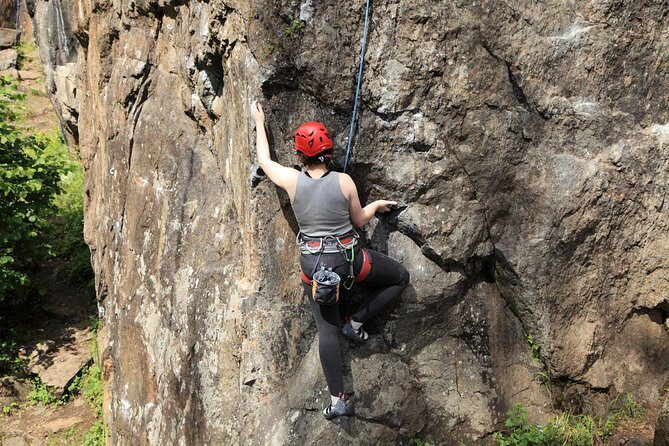
- Small group (up to 6): you should get plenty of attention when you’re learning knots, belaying, and commands
- Real top-rope climbing outdoors: you’re not stuck indoors; you’ll climb 5–6 routes
- Focus on safety fundamentals: gear understanding, crag ethics, and learning how to catch a fall
- Knots and commands taught early: so you can follow the system without guessing
- Outdoor-to-indoor transfer: skills aimed at passing a belay test in an indoor gym
- Belay devices included: including ATC and auto-locking devices, so you learn with proper setups
Morning Start at Miyar Adventures (Ballard, Seattle)
The day begins at Miyar Adventures, 1120 NW Ballard Way, with a 9:00 am start and a return to the same meeting point at the end. That structure matters because, for a beginner course, you’re usually spending your energy learning—not figuring out where to be and when.
Because this is a small group up to six people, you should expect the instructors to keep the pace steady. In a setup like this, the biggest time-waster is when someone needs extra explanation while others are already geared up. Here, the small size is part of the value: it helps you get unstuck faster, whether it’s tying a climbing knot or understanding how your partner’s job works.
If you're still narrowing it down, here are other tours in Seattle we've reviewed.



What Happens Before You Climb: Gear, Knots, and Commands
Before anyone leaves the ground, you’ll run through the basics you need to be safe outside—especially if you’ve never climbed outdoors. The course covers climbing gear in a practical way: harness, helmet, biners, belay devices (including ATC and auto-locking), chalk bag, rock shoes, ropes, and quickdraws. You’re also taught the rope-and-anchor side of top-rope climbing because a good day outdoors depends on the setup as much as the movement.
Then come the skills that make climbing feel controllable: climbing knots and climbing commands. I like that knots are taught as a core skill rather than an afterthought. Most beginners feel confident until they’re doing the sequence under a little pressure—wind, height, or just nerves. Learning knots early, with clear instruction, is how you avoid that late-day scramble.
You should also be prepared for hands-on practice of belaying mechanics. The goal is not “you look like you know what to do.” The goal is that you understand how to manage the rope and respond correctly when your climber moves, hangs, or slips.
Belaying Training That’s Built for Real Life
Top-rope climbing is only as good as the belay. This course treats belaying like a skill you learn step-by-step, including learning how to belay climbers and catch a fall. For beginners, that can be the most reassuring part of the day: you’re not just learning moves, you’re learning the system that protects you if something goes wrong.
You’ll practice on the equipment you’ll use outdoors, and belay devices are included. That includes ATC and auto-locking options, which is important because different devices behave differently and require different attention. The course setup also includes a group medical kit, which is exactly the kind of basic preparedness you want when you’re learning in a natural setting.
Also, the course doesn’t stop at technique. You get safety concerns and cragging area ethics, which is the outdoors version of being a good partner. It’s the difference between just climbing and actually fitting into the place you’re using.
The Hike to the Cliff Face (And Why It Matters)
You’ll take a short hike to a natural cliff face where the day’s climbing happens. That hike isn’t just scenery—it’s part of how instructors get you into the right mindset. You’re moving from “I’m learning” to “I’m about to do this for real,” and you’ll have time to get your bearings, check how you feel, and listen for safety reminders before you start.
A short hike can be a non-issue for many people, but it’s worth noting because it sets expectations for effort. You’re not signing up for a couch-to-rope experience. You’re signing up for a real outdoor day where you’ll climb and then switch roles to belay.
Climbing Outdoors: 5–6 Top-Rope Routes on Real Rock
Then the best part kicks in: top-rope climbing outdoors on at least 5–6 routes. One of the smartest design choices here is variety. Instead of repeating the exact same route five times, you’re climbing with unique rock types and features. That variety helps your brain learn what different surfaces demand, and it keeps the day from turning into one long attempt at the same problem.
You’ll also get basic technique guidance for rock faces and cracks. Cracks can feel weird to new climbers—sometimes they look like the route should be easy, but your hands don’t know what to do. Even a beginner-level introduction can save you from frustration, because technique coaching in the moment often matters more than a long lecture after.
And because you’re learning outdoors, the route experience is different from an indoor gym session. You’re dealing with real texture, real friction, and the feeling of being partway up a wall with wind and light changing. That’s also why belaying practice is so central. A good belay makes it easier to focus on your movement instead of worrying about what’s happening below.






Learning the Indoor Belay-Test Skills (Even If You Start Outdoors)
This course is designed to teach the fundamental skills needed to pass a belay test in an indoor climbing gym. That matters if you’re thinking ahead. Many first outdoor days give you a taste, but you still have to return later for a structured test. Here, the day is angled toward being ready to keep climbing in the wider world, not just having one fun trip.
In practical terms, the “test-ready” focus usually means you’re learning the exact chain of responsibilities: proper setup, correct rope handling, commands, and response. Once you’ve practiced those steps outdoors, the indoor version tends to feel less mysterious, more like a repeat of what you already understand.
What You Get Included (and What You’ll Need to Rent)
This experience includes a lot of the stuff that prevents beginner frustration:
- Instruction by professional guides
- Materials for top-rope set-up, including ropes and anchor materials
- Belay devices (including ATC and auto-locking)
- Group medical kit
You’ll need to plan for the basics you might not own yet. Harness, helmet, and rock climbing shoes can be rented. A chalk bag with chalk is optional, and transportation plus meals/snacks are not included.
That division matters for value. You’re not expected to show up with a full climbing kit. You’ll still need to handle your own way to the meeting point and any food plans for the day. If you’re traveling light, that’s a huge plus: the course covers the core climbing gear and all the rope-and-anchor materials required for safe top-rope sessions.
Guides, Teaching Style, and Confidence on the Wall
The reviews make one theme clear: the teaching style is patient and confidence-building. People specifically mention instructors like Brett, Simon, Glen, and Sandeep as effective teachers who explain the safety pieces while keeping the mood positive.
That combo—clear instruction plus encouragement—matters a lot for outdoor climbing. Fear is normal when height and rope systems are involved. Good coaching doesn’t just tell you what to do; it helps you do it without panic. If you tend to freeze when you’re new, look for a course where instructors spend time on fundamentals and don’t rush through your questions.
Where You’ll Climb: Seattle Options and Weather-Realistic Plans
The tour is described as Seattle-based, but outdoor days can shift depending on conditions. In practice, this course includes the idea that you’ll climb outdoors with a natural crag setting and enough routes to keep the day full.
One review highlighted driving east to Frenchman Coulee when Seattle weather didn’t cooperate. You should treat that as an example of what can happen on an outdoor day: you might stay close, or you might drive a bit to reach the right climbing conditions. Either way, the goal stays the same—get you to real rock and keep the day productive.
Who This Course Is Best For (and Who Might Need More)
This intro is a great match if you:
- Want a structured way to learn belaying, knots, and climbing commands
- Prefer a small group so you can ask questions without waiting
- Are aiming to climb in gyms soon and want a head start on a belay test
It may be a harder fit if you:
- Don’t have a moderate fitness level for a short hike plus active climbing and belaying
- Expect a tour that’s mostly scenic with light involvement—this is instruction with real participation
Should You Book This Outdoor Rock Climbing Intro?
If you want a one-day outdoor experience that actually teaches you the skills behind safe top-rope climbing, I think this is a strong choice. The day is built around repetition: you learn fundamentals, practice belaying, then climb 5–6 outdoor routes so you gain comfort quickly rather than just watching.
Book it if you’re ready for hands-on learning and want to feel prepared to climb in the future, not just “try it once.” If you’re nervous about safety systems, the guided approach—and multiple instructors called out for helping beginners—should put you in good hands.
FAQ
What time does the climbing course start?
The start time is 9:00 am.
Where do I meet the group?
You meet at Miyar Adventures, 1120 NW Ballard Way, Seattle, WA 98107, USA.
How long is the experience?
It’s about 1 day.
How many routes will I climb?
You’ll climb top-rope on at least 5–6 routes outdoors.
What climbing gear is included, and what do I rent?
The experience includes top-rope setup materials and belay devices. Harness, helmet, and rock climbing shoes can be rented. A chalk bag with chalk is optional.
What skills will I learn?
You’ll learn climbing gear basics, knots, climbing commands, how to belay and catch a fall, basic technique for faces and cracks, and top-rope climbing, plus cragging area ethics and safety concerns.
What group size should I expect?
There’s a maximum of 6 travelers.
Is transportation included?
No. Transportation is not included.
FAQ
What fitness level do I need?
You should have a moderate physical fitness level.
What if the weather changes?
The experience runs outdoors at a natural cliff face. If conditions aren’t right, you may still go climbing elsewhere, but the specifics can vary by day.
Do I need to bring food?
Meals/snacks are not included, so plan accordingly.
What’s the cancellation window?
You can cancel up to 24 hours in advance for a full refund.
How many people are required for the booking?
A minimum of 2 people per booking is required.