REVIEW · WHALE WATCHING
Only Wildlife and Whale Watching Tour Leaving from Seattle
Book on Viator →Operated by FRS Clipper · Bookable on Viator
Seattle whale watching has a head start.
This cruise leaves right from Pier 69, putting you close to downtown sights and sending you out onto Elliott Bay with quick photo stops, including the Space Needle view as you ease away from shore. I also like that you get structured time on the water with an onboard naturalist who helps you connect what you’re seeing (or not seeing yet) to real whale behavior and local conservation. One thing to keep in mind: whale sightings are never guaranteed, and a few people noted that getting out to prime viewing can take a while—so bring patience for the long stretches.
You’ll choose between standard seating (non-window) and premium options, and either way you’ll have multiple spots to watch from the boat. The food and drink galley helps the trip feel complete, not like a rushed “out-and-back” mission. A possible drawback is crowding: when conditions are good, decks can get packed, and some folks found certain seating setups weren’t ideal for seeing over others.
In This Review
- Key things to know before you go
- Pier 69: where the trip starts and what that really means for you
- The cruise out: Elliott Bay views and the Space Needle moment
- Salish Sea search: what you’re actually looking for
- If you care about “seeing whales,” read this carefully
- Onboard naturalist talks: why the narration improves the trip
- Seating choices: standard vs premium and what to expect on a crowded deck
- Quick comfort tip that keeps showing up
- The boat, the crowd, and the real-world viewing strategy
- Food and drinks onboard: practical and not crazy-priced
- How the day typically flows, from leaving downtown to being back again
- Value for the money: $153.64 and how to judge if it’s worth it
- Who this tour fits best (and who should consider alternatives)
- Should you book this Seattle whale-watch cruise?
- FAQ
- What time does the tour run?
- Where does the tour start?
- Does the cruise return to the same meeting point?
- What wildlife might we see?
- Is there an onboard naturalist?
- Are food and drinks available during the cruise?
- What seating options are offered?
- Is the tour offered in English?
- How big is the group?
- What is the cancellation policy?
Key things to know before you go
- Pier 69 convenience: You start steps from downtown and you finish back at the same point.
- Onboard naturalist talk: You don’t just stare at water—you get explanations and chances to ask questions.
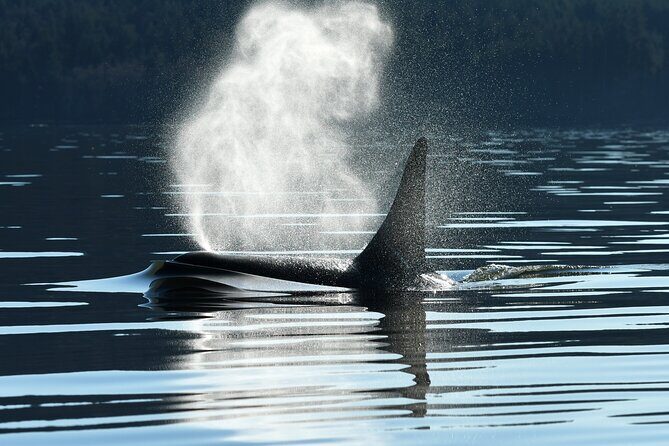
- Multiple whale species in play: Orcas, humpbacks, gray whales, and minke whales are all on the search list.
- Deck time beats seat time: If whales show up, moving and rotating viewing areas matter more than “winning” a seat.
- Food and drinks onboard: You can stay fueled without leaving the boat.
- Trip length can flex: It’s listed around 3–5 hours, and some trips run longer depending on wildlife and conditions.
Pier 69: where the trip starts and what that really means for you
I like meeting at Pier 69 because it makes the day feel easy. You’re not hauling to a far-flung dock. You can also plan this as part of a Seattle day instead of making whale watching the whole mission.
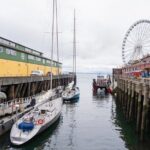
The meeting point is 2701 Alaskan Wy. From there, you’ll head along Alaskan Way—a straight line between the downtown core and the water—so even before you spot whales, you get a proper waterfront start. If you’re arriving by transit, it’s close enough that you shouldn’t feel stuck using a car.
The big practical win is timing. Since the cruise ends back at the meeting point, you avoid the awkward “now what” feeling afterward. You can keep your evening plans intact instead of squeezing in a long commute back.
Other Seattle tours we've reviewed in Seattle
The cruise out: Elliott Bay views and the Space Needle moment
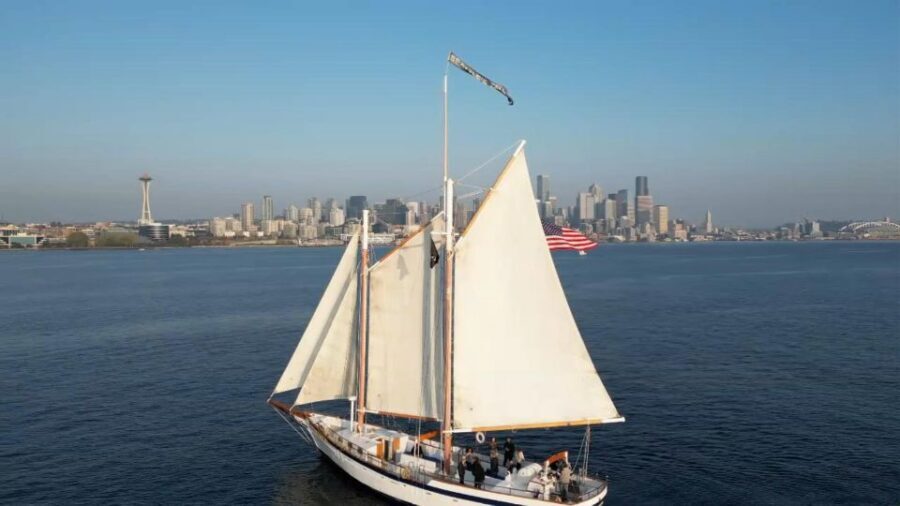
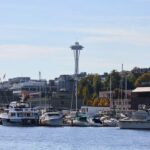
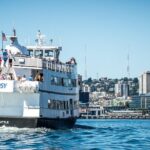
Early on, the boat pulls out from Pier 69 and heads into Elliott Bay. The description is clear: as you leave the dock, you get skyline views, with the Space Needle to the right. If you’re a photographer, this is the part where the city frames the water, not the other way around.
Think of this as your warm-up. It’s where you’ll get oriented—where the wind sits, how the boat rocks, and where you feel comfortable standing versus sitting. One review called out that the boat was very comfortable and had good viewing points, and that tracks with what you need on a wildlife cruise: a vessel that lets you move without feeling like you’re battling the crowd.
Potential downside: this is also where you might spend time before whales show. Some people reported long stretches—like about 90 minutes each way—before the action. That’s not a reason to skip, but it is a reason to dress for comfort and expect a slow build.
Salish Sea search: what you’re actually looking for
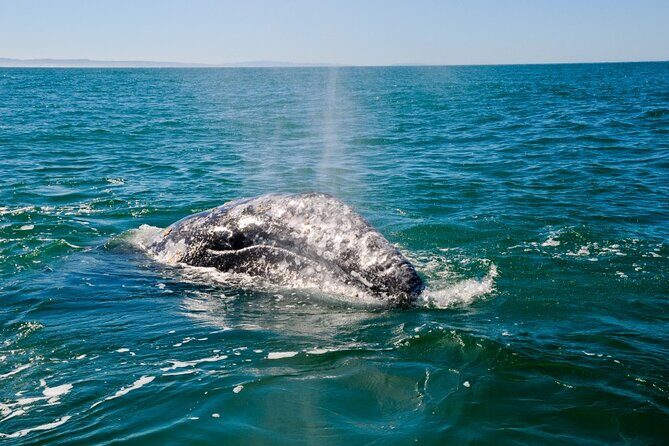
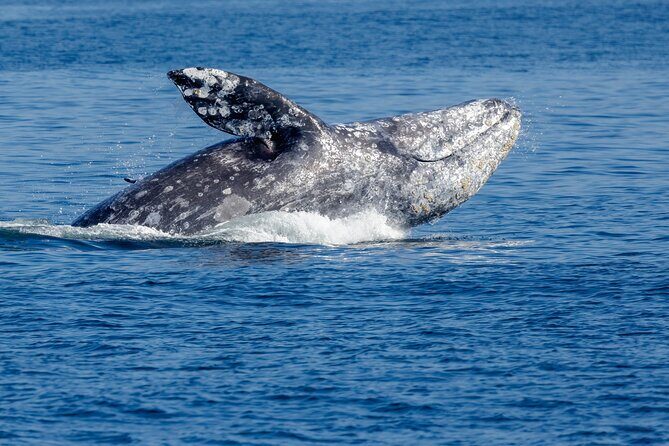
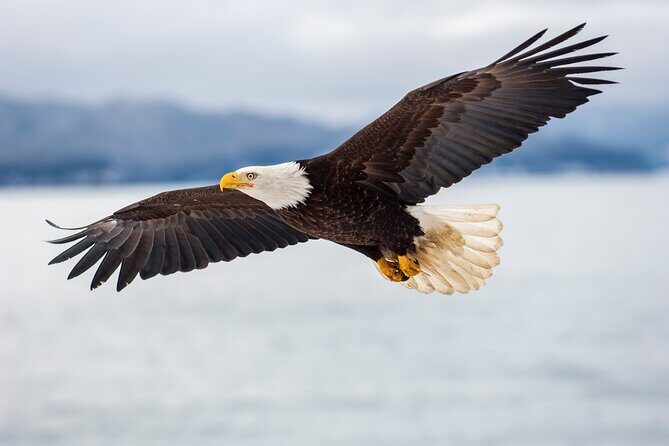
Once you’re out in the Salish Sea, the focus shifts to wildlife. The tour is built around the chance to spot orcas, humpback whales, gray whales, and minke whales in their natural habitat. You may also see seals, sea lions, porpoises, bald eagles, and other seabirds.
This is the part where the naturalist matters. You’re not just collecting guesses; you’re learning what whale behavior can look like and why certain animals might show up in certain conditions. The best whale watching cruises help you read the water, not just scan it.
Respectful viewing is part of the experience too. That’s important because it affects how close boats get and how the group moves when whales are in range. In plain terms: good operators try to keep the animals’ routines intact while still giving you a real chance to see.
If you care about “seeing whales,” read this carefully
Sightings vary with season and luck. Some people had standout moments with orcas and humpbacks; others felt the cruise was underwhelming when whales didn’t appear close or often enough. If whale spotting is your top priority, go in with two mindsets:
- you’re paying for the experience of searching, plus the chance of excellent encounters
- you should expect some long scanning time before anything happens
Onboard naturalist talks: why the narration improves the trip
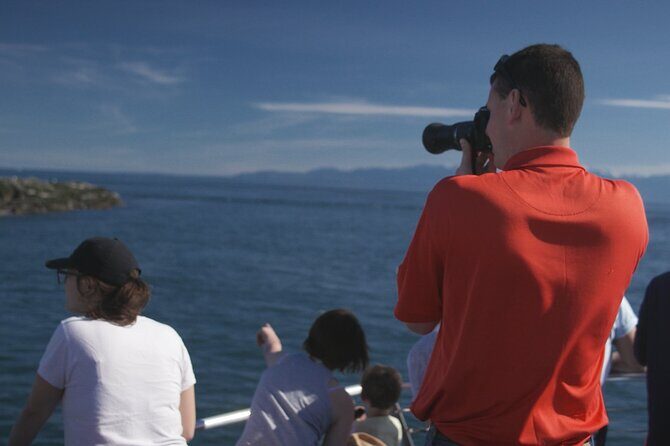
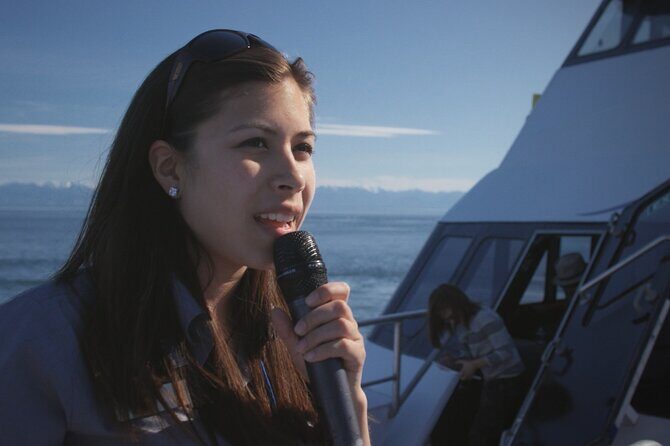
A recurring theme in the feedback is that the onboard naturalist and crew helped make the tour feel worth it even when viewing took time. The naturalist doesn’t just point at animals; they explain what you’re looking at and how to interpret behavior.
In one account, a naturalist named Allison was praised for having lots of information, especially helpful for a family with a toddler. Another report mentioned a biology educator on the FRS Clipper sharing details about orcas and how they behave. That’s the difference between a “boat ride” and a “learn something while you hunt wildlife” outing.
There’s also a caution. One person who loved seeing orcas still wished the narration had more about communities and local area history. So if you want a Seattle-context story while you sail, you may find the focus stays mostly on whales and marine life. That isn’t a dealbreaker for most people—it’s just good to know what kind of learning you’ll get.
Other whale watching tours we've reviewed in Seattle
Seating choices: standard vs premium and what to expect on a crowded deck
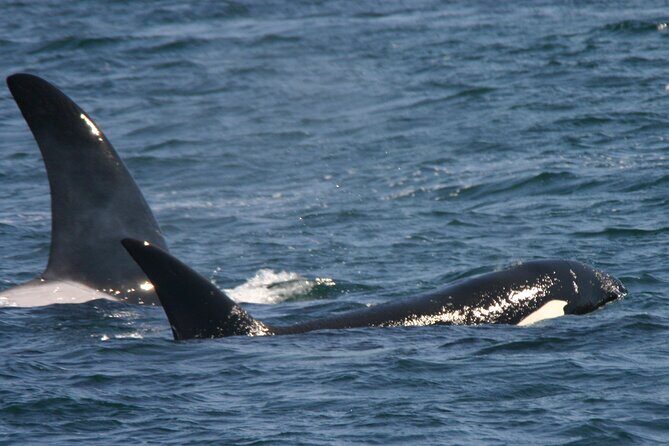
You can pick standard (non-window) or premium seating. In theory, premium sounds like more comfort and better views. In practice, several people emphasized that whales are best viewed from the observation areas—especially when the boat rotates to give passengers sightlines.
One review bluntly said premium window seats weren’t a priority because most viewing happened from the deck and bow area. Another noted that the premium didn’t help much since boarding wasn’t early and they ended up watching from the observation zone anyway.
My take: if you’re the type who needs a seat for motion comfort, choose what keeps you relaxed. But if you’re chasing the best whale viewing, plan to spend time on deck and be ready to move with the group when sightings happen.
Quick comfort tip that keeps showing up
Bring motion sickness help if you’re sensitive. At least one review recommended taking something ahead of time and warned it can take about an hour to kick in. Also, if you’re going to stand at the bow for longer looks, dress for cool wind—some people suggested warm clothes for that reason.
The boat, the crowd, and the real-world viewing strategy
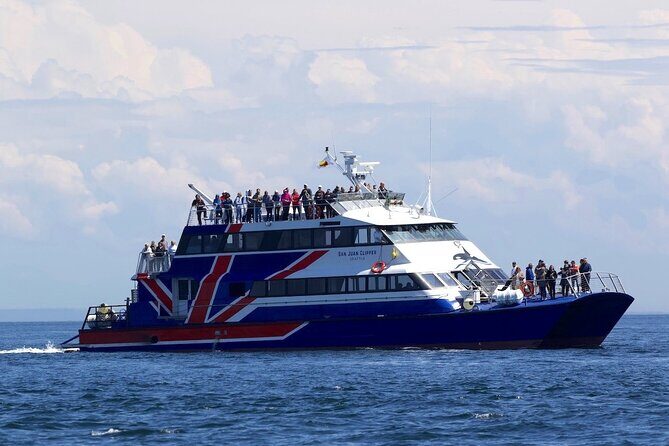
With a maximum of 150 travelers, this isn’t a tiny private charter. It’s still manageable, but crowds can build—especially when whales are spotted and everyone scrambles to the best angles.
A smart strategy: don’t lock yourself into one “perfect” spot. Stay flexible. When the crew spots something, the boat can turn so more people get a view. Multiple accounts praised staff for helping everyone see.
Also, if you’re short, take note from the reviews. One person of 5’1 described trouble seeing over others on deck and said the boat didn’t rotate in a way that helped their side. That’s not guaranteed for every trip, but it’s a good reason to prioritize deck positions where you can see over heads, and to ask staff when whales appear where you should move.
Food and drinks onboard: practical and not crazy-priced
The trip includes a food and drink galley onboard. People described snacks and drinks as reasonably priced, and at least one review said the food was better than expected.
This matters because it changes the vibe. If you’ve got a snack in hand, you can stay calm during the scan-time stretch and not lose your patience after a couple hours. For families, it also helps keep kids settled during longer periods between sightings.
How the day typically flows, from leaving downtown to being back again
Your timeline is about 3 to 5 hours. Some trips run longer when wildlife keeps things interesting, and one review mentioned a 6-hour outing—so treat the end time as “approx.” rather than guaranteed.
A helpful way to plan your day:
- start early enough to enjoy the Elliott Bay skyline segment
- eat before you arrive if you want a full meal, but count on snacks being available onboard
- keep your expectations flexible about whale distance and frequency
And remember: the tour ends back at the meeting point. That’s a gift. You can keep your dinner plans without planning your entire evening around a ferry schedule.
Value for the money: $153.64 and how to judge if it’s worth it
At $153.64 per person, you’re paying for four things: the boat ride, the naturalist interpretation, the onboard amenities, and the operational work of locating whales and adjusting as conditions change.
So when is it good value?
- when you enjoy time on the water and want the chance at orcas and humpbacks
- when you appreciate the educational component enough that it would still feel worthwhile even if sightings aren’t nonstop
- when you’re okay with crowding and can handle the “hunt” part of wildlife watching
When it might feel pricey?
- if you only want whales close up and frequent
- if you’re hoping premium seating guarantees the best view
One review criticized the cost because whales weren’t seen much. That’s the reality of wildlife tours. The best move is to frame your purchase as buying into a search plus interpretation, not a guaranteed animal encounter.
Who this tour fits best (and who should consider alternatives)
This cruise is ideal if you:
- want an easy Seattle departure from downtown Pier 69
- enjoy learning from an onboard naturalist (especially for families)
- are comfortable spending time on deck scanning the water
It’s less ideal if you:
- need constant action and can’t handle long, quiet stretches
- hate cold wind or motion without extra comfort planning
- expect premium seating to solve the viewing problem completely
For families, the multiple viewing points and staff attention were praised, and one account said it was toddler friendly with even small extras for kids. If your crew needs food and comfort without leaving the boat, this format helps.
Should you book this Seattle whale-watch cruise?
If you want a downtown-friendly whale watching outing with real explanation and a good chance of meaningful sightings, I’d book it. The strongest reasons are the naturalist on board, the prime Seattle departure point, and the fact that the crew works to rotate viewing so more people get a look.
But if whale viewing is the only thing you’ll care about, and you’re easily disappointed by distance or quiet time, you should think twice. Spend a minute deciding how you’ll feel during long scans. If you can treat the scenery and learning as part of the day, this becomes a solid value.
FAQ
What time does the tour run?
The duration is listed as about 3 to 5 hours.
Where does the tour start?
The tour starts at 2701 Alaskan Wy, Seattle, WA 98121.
Does the cruise return to the same meeting point?
Yes, the activity ends back at the meeting point.
What wildlife might we see?
The tour searches for orcas, humpback whales, gray whales, and minke whales, and you may also spot seals, sea lions, porpoises, and bald eagles, along with other marine birds.
Is there an onboard naturalist?
Yes. An expert naturalist provides commentary and answers questions.
Are food and drinks available during the cruise?
Yes. There is a food and drink galley onboard.
What seating options are offered?
You can choose standard (non-window) or premium seating.
Is the tour offered in English?
Yes, the tour is offered in English.
How big is the group?
The tour has a maximum of 150 travelers.
What is the cancellation policy?
You can cancel for a full refund up to 24 hours in advance. The tour requires good weather; if it’s canceled due to poor weather, you’ll be offered a different date or a full refund.