REVIEW · DESSERT TOURS
Seattle Chocolate Tour
Book on Viator →Operated by Rogue Tasting Co. · Bookable on Viator
Seattle does chocolate in a surprising way. This is a guided walking tasting tour that turns Pike Place Market into your chocolate classroom, with about 12 individual samples along the route. You’ll also get the stories behind cacao and the practical how-it’s-made basics, from bean to finished bar.
Two things I especially like: the tour mixes multiple styles of chocolate (baked goods, truffles, bars, and pairing experiments), and the guides named in guest feedback, like Ivy, Will, Woody, Ben, Maia, and Jade, are credited with making the learning feel friendly instead of nerdy. One watch-out: this is still a real walk, and you should plan for roughly an hour and a half of moving around, with stop-and-sit breaks at shops.
In This Review
- Key Takeaways Before You Go
- A 2-hour Chocolate Walk That Fits Pike Place Market Perfectly
- Dahlia Bakery: Coffee, Cookies, and an Easy First Step
- maíz and Seattle Sights: Cacao in a More Natural Mode
- Freya Bakery & Cafe: Danish Familiarity After the Origins Talk
- Woodring at Pike Place Market: Venezuela Chocolate in Real Products
- Truffle Queen: European Chocolate Pairings That Get You Thinking
- DeLaurenti: Global Chocolate Bars and a Friendly Guide Conversation
- SELEUŠS Chocolates: Local Truffles, Honey, Fruit, Tea, and Even Booze
- Your Sample Menu: What You Might Taste (and Why It’s Not Random)
- The Real Skill You Take Home: How to Taste, Not Just Eat
- Pacing, Walking, and Comfort: How to Make It Enjoyable
- Price and Value: What $85 Covers (and What It Doesn’t)
- Where to Fit This in Your Seattle Day
- Should You Book the Seattle Chocolate Tour?
- FAQ
- How long is the Seattle Chocolate Tour?
- How much does it cost?
- How many chocolate samples do I get?
- Can the tour accommodate dietary restrictions?
- Where does the tour start and end?
- What is the cancellation policy?
Key Takeaways Before You Go
- 12 chocolate samples across well-known stops, so you’re not stuck with one style all tour
- Bean-to-bar and flavor-pairing talk that helps you taste with more intention
- Small group size (max 12) for a calmer pace and easier conversations
- Dietary accommodations available, which is a big plus for real life travelers
- English-speaking guides and a mobile ticket for smoother check-in
- Plan for walking through the Market area and nearby sights, not a drive-through tour
A 2-hour Chocolate Walk That Fits Pike Place Market Perfectly
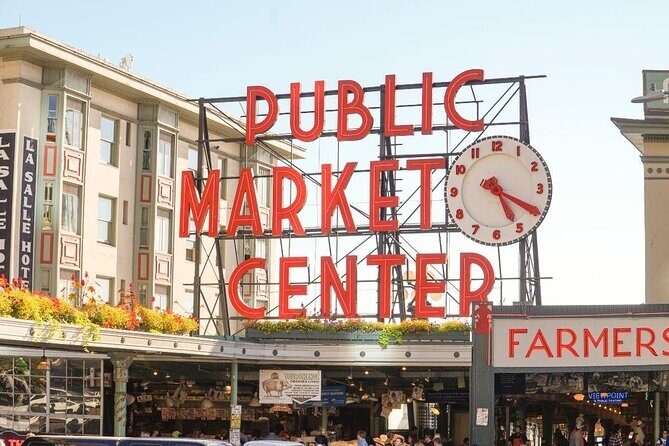
The sweet spot here is the setting. You’re in Seattle, and you’re moving through the core Market area, then finishing at another chocolate shop nearby. The whole experience runs about 2 hours 15 minutes, and with a maximum of 12 people, it doesn’t feel like you’re getting shoved through stations.
Value starts with the pace. You’re not just “tasting and sprinting.” The stops are spaced so you can order something, sit for a moment, and reset your palate. That matters because chocolate tastings can start to blur together if you go too fast. The tour’s structure gives you quick flavor comparisons first, then deeper pairings later.
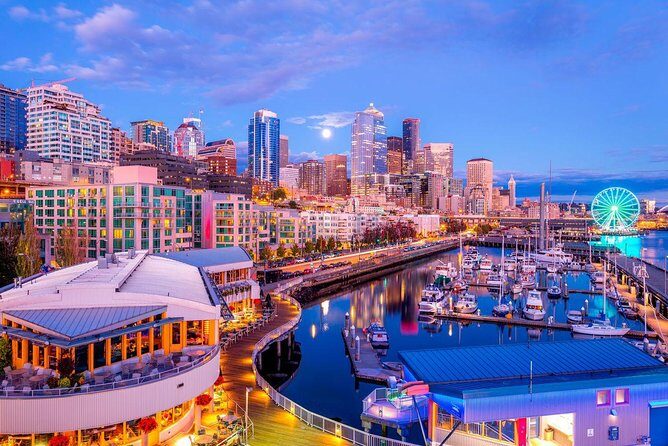
If you’re doing this as a first-time Seattle activity, you get an extra bonus: the route is built around recognizable Seattle moments, including a stretch with iconic Market sights and later a viewpoint with big water-and-mountains views. It keeps the tour from being purely food-only.
One other practical point: it’s easy to plan timing around this. You can slot it earlier in the day to help you decide what to buy as souvenirs after, or later if you want it to be your “vacation reward” before dinner.
Other Seattle tours we've reviewed in Seattle

Dahlia Bakery: Coffee, Cookies, and an Easy First Step
You start at Dahlia Bakery (2001 4th Ave). The first stop sets the tone: you’ll begin with two baked goods that feature rich dark chocolate plus creamy white chocolate. Expect the first tasting to feel relaxed, not rushed.
This stop also gives you a chance to settle in with people in your group, grab a coffee, and use the restroom if needed. That first buffer is smart. Chocolate tours work best when you’re not stressed about timing or spacing yourself out.
What makes this opening stop feel worth it is the contrast. Dark and white chocolate are totally different experiences—bitter/cocoa depth versus sweeter creaminess—so your palate “boots up” correctly. Then the tour builds from there into origin and style differences instead of repeating the same flavor profile.
Potential drawback: baked goods can mean you’ll get a lot of chocolate flavor via dessert form. That’s fun for most people, but if you’re laser-focused on only bar-and-truffle tasting, keep that in mind for your expectations.
maíz and Seattle Sights: Cacao in a More Natural Mode
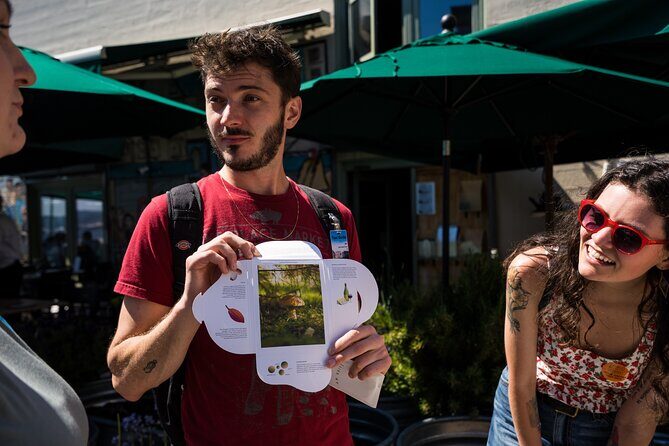
After your bakery start, the tour pivots to maíz for a shorter cacao-focused stop. This is where the experience leans more “origins” and less “candy shop shopping.” You’ll get 15 minutes and learn about the origins of cacao and how the taste connects to something more traditional and nature-close.
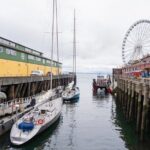
Then the tour route shifts into the “Seattle moment” part. You’ll pass by famous sights in the iconic Market area, and there’s also time that’s described as 180-degree views of Seattle, Elliott Bay, and the Olympic Mountains. Even if you only catch brief glimpses between stops, the payoff is that you’re tasting and sightseeing at the same time. It breaks up the sugar focus and gives your brain something else to do besides count truffles.
Practical tip: wear shoes you trust. These views sound worth it, and the walking between points adds up. If you’re the type who also likes to browse Market storefronts after your tour, consider saving extra energy so you don’t feel drained.
Freya Bakery & Cafe: Danish Familiarity After the Origins Talk
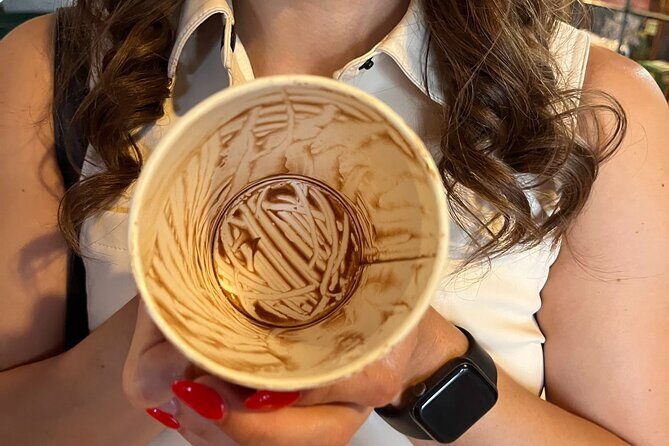
Next comes Freya Bakery & Cafe, a Danish bakery stop with 15 minutes on the clock. If the earlier stop is about tradition and origins, Freya is about modern comfort.
This is a good place for a palate reset. Danish-style desserts often use chocolate in ways that feel both familiar and slightly different from US candy expectations. You’re continuing the “variety” theme of the tour, not stacking one kind of sweetness on top of the last.
In terms of pacing, this stage helps you avoid the common problem with chocolate tours: too much time in one shop and not enough contrast. The tour keeps moving, but it still gives you enough time to eat, sip, and think.
Woodring at Pike Place Market: Venezuela Chocolate in Real Products
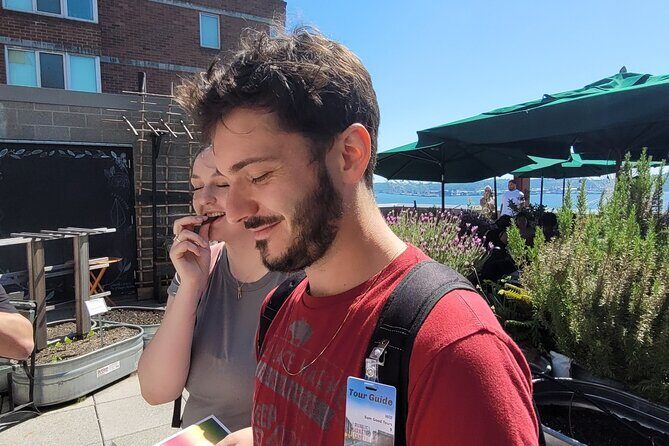
At Woodring at Pike Place Market, you’re not just sampling random chocolate. You’re tasting chocolate that is directly sourced from Venezuela, and the experience here includes chocolate used in multiple product forms—fudge, marzipan, and caramel.
This stop works because it shows you a real-world lesson: the same cacao can taste different depending on how it’s processed and what it gets paired with. Fudge tends to feel dense and creamy. Marzipan brings almond sweetness into the mix. Caramel adds a whole separate flavor track that can amplify or soften cocoa notes.
You get 10 minutes here. That’s short enough that you’re encouraged to focus, but long enough to try multiple items without feeling rushed into one bite and out.
A few more Seattle tours and experiences worth a look

Truffle Queen: European Chocolate Pairings That Get You Thinking
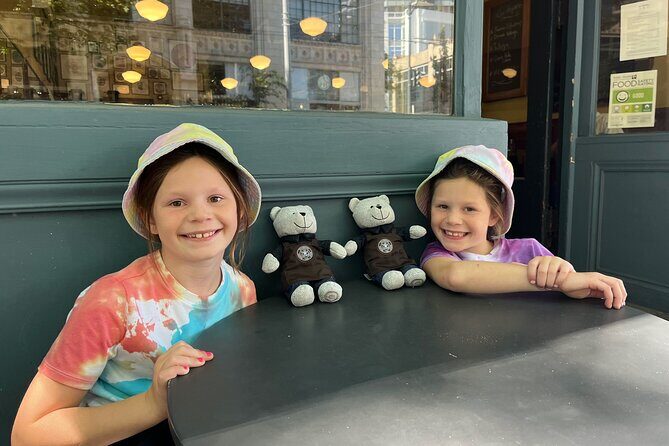
Then you’ll hit Truffle Queen for a 10-minute stop that leans European and pairing-focused. The emphasis is on unexpected pairings, which is where this tour starts to become more than a “sampling line.”
One reason this stop often lands well is that pairings teach you something useful for future tastings. If you learn how and why a flavor pairing works, you can shop with confidence later. You’re less likely to buy a bar just because it looks fancy and more likely to choose what you actually enjoy.
Also, this is where small-group energy matters. With fewer people around, you can ask a quick question if you’re curious about a pairing concept.
DeLaurenti: Global Chocolate Bars and a Friendly Guide Conversation
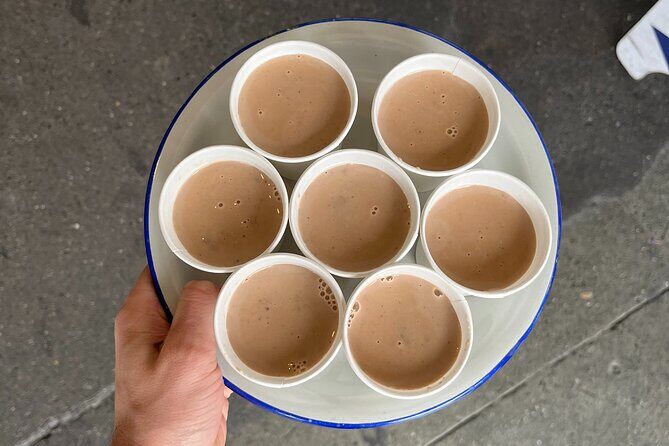
At DeLaurenti, you’ll get about 20 minutes with a guide-supported exploration of a huge variety of chocolate bars from around the world.
This part matters because it’s where you connect the dots. Earlier stops train your palate with contrasts: dark versus white, baked desserts versus truffles, origin-focused ideas versus product variations. Now you’re choosing among bars and learning what differences show up as cocoa percentage changes and ingredient styles vary.
The tour’s own promise here is also practical: you’re exploring alongside your guide, and you may even discover something you’d never pick up on your own. That’s a real value piece. Chocolate shopping gets expensive fast if you’re guessing.
One expectation to hold lightly: some bar tastings may feel more like sampling from shelves than watching a chocolate-making demonstration. If you’re expecting every stop to be a bean-to-bar workshop, this is the part that can feel more “taste and talk” than “watch production.”
SELEUŠS Chocolates: Local Truffles, Honey, Fruit, Tea, and Even Booze
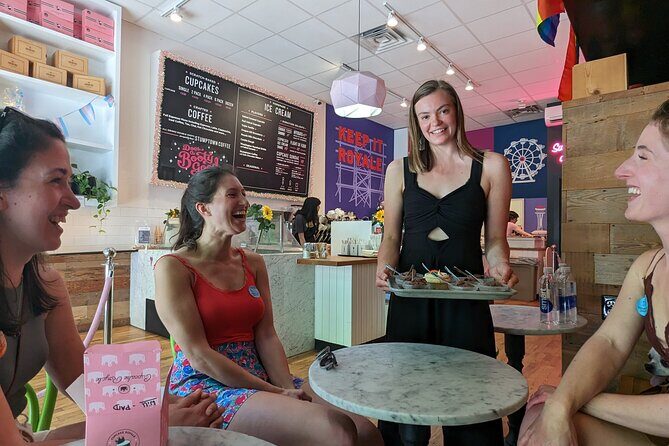
The tour finishes at SELEUŠS Chocolates (1910 1st Ave) with about 20 minutes. This is the Seattle-local finale: a truffle maker with flavors that go beyond plain ganache.
You can expect to taste chocolates blended with honey, fruit, tea, and even booze. That last bit is a theme in a lot of high-end chocolate cultures: alcohol can act like a flavor bridge, adding aroma and depth instead of just sweetness.
This stop is also a strong closer because truffles are a natural finale. They feel special. They also let you end with a broader flavor range after the earlier bars and baked goods.
Practical tip: stop here last on purpose. After the tour, you’ll likely want to buy a souvenir. Many people pick up a truffle or two once they’ve learned what they actually like.
Your Sample Menu: What You Might Taste (and Why It’s Not Random)
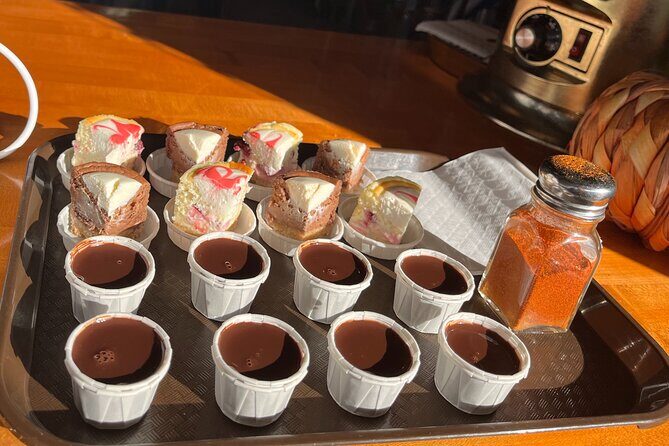
The tour includes a sample spread that helps you cover multiple chocolate “personalities.” You might see items like:
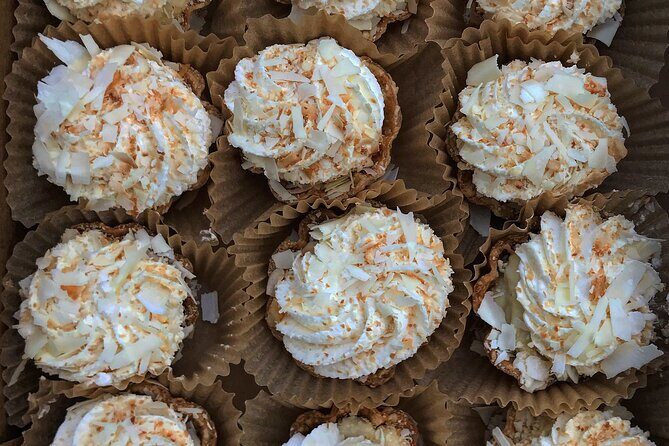
- World Famous Triple Coconut Cream Pie
- Sea Salted Brownie
- Champurrado (a Mexican hot drink)
- 70% Dark from Mexico
- Copenhagen Cocoa
- 55% Baker’s from Belgium
- Fudge
- White Chocolate Marzipan
- 85% Dark from New Zealand
- Truffles
What makes this menu smart is how it builds your flavor library. You’re not only tasting different percentages, like 55% versus 70% versus 85%. You’re also tasting different roles chocolate plays: dessert texture (pies and brownies), drink formats (cocoa and champurrado), and confection formats (fudge, marzipan, truffles).
Also, salt shows up via the sea-salted brownie, and alcohol shows up through some of the truffle flavors. These elements help you learn what “seasoning” does to cocoa perception, which is a useful takeaway for future chocolate purchases.
The Real Skill You Take Home: How to Taste, Not Just Eat
This tour is designed to help you connect flavors with real-world context. Guides get praised for making the differences between what you taste easier to explain, using analogies that turn cocoa and cacao terms into plain language.
That matters, because a lot of chocolate tours stop at sample notes. This one pushes a little further. You learn how taste shifts with:
- cacao origin and style
- sweetness level and cocoa percentage
- how chocolate is mixed into products
- pairings that add fruit, tea, honey, or salt
You’ll also see that chocolate-making is presented from bean to bar. Even without an actual workshop setting at every stop, you leave with a mental model. That’s what makes it feel like education instead of a sugar parade.
If you care about dietary needs, the tour also states accommodations can be made. That’s a big deal. Chocolate is full of hidden ingredients, so being able to plan makes the experience smoother.
Pacing, Walking, and Comfort: How to Make It Enjoyable
Let’s be honest: this is a walking tour. The guidance from strong feedback is consistent—there’s about an hour and a half of walking with stop-and-sit breaks.
So your “bring” list is simple:
- comfy shoes
- a light layer (Seattle weather can change)
- water
- patience for walking in Market crowds
Also, some stops are brief. That’s not a flaw; it’s how the tour keeps variety moving. But if you’re sensitive to long walks or you want more time inside each shop, you may feel the tradeoff.
One review-style caution you should weigh: not every stop may feel like a hands-on producer experience. You might spend time tasting from counters or shops that don’t make everything onsite. If your ideal chocolate tour is mostly factories and bean-to-bar production floors, you’ll likely want a different type of tour.
Price and Value: What $85 Covers (and What It Doesn’t)
At $85 per person for about 2 hours 15 minutes, you’re paying for several things at once:
- multiple paid tastings at distinct shops
- guide-led learning and pacing
- a small group format (max 12)
- the convenience of having a route that connects Seattle sights and chocolate stops
Seattle food prices are high, and chocolate pricing can jump even higher. In that context, the tour’s value is that you’re sampling many items instead of paying full retail prices for each one. The goal is smart: you try, you learn, then you decide what to buy with your own taste judgment.
Could it feel expensive if you expected only “factory-grade” chocolate-making demos? Yes. The tour’s structure is about tasting variety and flavor education, not a continuous production show at every location.
Also, one feedback note to consider: you might not get exactly the same number of hot drink tastings as you’d hoped, and one final stop timing issue can happen if something isn’t ready when you arrive. These are rare cases, but they’re worth knowing so you don’t anchor your day to a perfect script.
Where to Fit This in Your Seattle Day
This tour ends at SELEUŠS Chocolates in downtown, which makes it easy to keep going. You can:
- grab lunch or a casual dinner nearby after you finish
- plan souvenir shopping using the flavors you actually enjoyed
- use the Market area browsing time before or after your tour
Because you’ll be walking through central sights and Pike Place, I’d place it early enough that you still have energy for wandering afterward. Or place it late afternoon as a treat. Either way, chocolate tends to work as a natural “anchor” activity in a Seattle itinerary.
One more timing note: this tour is often booked around 34 days in advance, so if your travel dates are firm, don’t treat it like a last-minute option.
Should You Book the Seattle Chocolate Tour?
Book it if you want a small-group tasting walk that combines Seattle flavor education with real stops where you can learn what you like. It’s especially a good match if you enjoy discovering chocolate styles beyond standard candy bars and you want to leave with a clearer sense of cocoa percentages, pairings, and product differences.
Consider skipping or comparing options if you only want factory-style demonstrations and you expect every stop to be a full bean-to-bar production experience. Also, if long walks stress you out, this tour’s pace might be a mismatch even though the breaks help.
My take: this is a strong choice for a first Seattle food activity, a couples outing, or a family-friendly splurge where the guide can keep the experience moving and fun.
FAQ
How long is the Seattle Chocolate Tour?
The tour is about 2 hours 15 minutes.
How much does it cost?
It costs $85.00 per person.
How many chocolate samples do I get?
The tour includes 12 individual chocolate samples from the food stops.
Can the tour accommodate dietary restrictions?
Yes, the tour says that accommodations can be made for dietary concerns.
Where does the tour start and end?
It starts at Dahlia Bakery, 2001 4th Ave, Seattle, WA 98121 and ends at SELEUŠS Chocolates, 1910 1st Ave, Seattle, WA 98101.
What is the cancellation policy?
You can cancel for a full refund if you cancel at least 24 hours before the experience start time.
If you want, tell me your travel month and whether anyone in your group is sensitive to walking or specific ingredients, and I’ll help you place the tour in the best time slot for your day.