REVIEW · CYCLING TOURS
West Seattle: Bike Tour standard or electric
Book on GetYourGuide →Operated by Seattle Bicycle Tours · Bookable on GetYourGuide
West Seattle from the water feels different. This tour strings together Seattle Waterfront views with a water-boat ride, then adds a calm, mostly-flat bike back through West Seattle and to Alki Beach. You get a real sense of the city’s shape without spending the whole day in traffic.
I especially love the way the ride starts with big scenery right away, then gradually shifts to quieter corners like Alki Beach and the Duwamish area. I also like that it’s small-group and guided—when I did a similar outing with guides like Darrell or Elaine, the history came with context and quick, practical tips for what to look at from the saddle.
One thing to consider: even though the pace is described as casual and mostly flat, you’re still biking. If you haven’t ridden in a while, plan to practice a bit first so you feel solid on control and balance.
In This Review
- Key highlights that make this ride worth your time
- Getting geared up at the Vine St meeting point
- The smooth rhythm: waterfront bike lanes to the boat
- The water taxi/ferry ride: skyline pictures with a view shift
- Alki Beach: the best kind of photo stop
- Plymouth Rock: a quick stop with an outsized story
- Spotting Seattle’s Duwamish River: wildlife + native connections
- Standard vs electric bikes: choose based on comfort, not toughness
- Pacing and group size: why 10 people feels right
- Guides: the difference is in the way they connect dots
- Price and value: what $120 buys you here
- Weather reality: rain or shine
- Who should book this West Seattle ride?
- Should you book it?
- FAQ
- How long is the West Seattle bike tour?
- Where do I meet the guide?
- Is it standard bikes or electric bikes?
- What’s the biking pace like?
- Is there an age or height requirement?
- What stops are included during the tour?
- Does the tour run in bad weather?
Key highlights that make this ride worth your time
- Water taxi views over the city from the water, not the sidewalk
- Mostly flat, easy pace with a real bike-tour feel
- Alki Beach + Alki Point Light House photo-and-look-around stops
- Plymouth Rock moment tied to Seattle’s origin story
- Duwamish River wildlife search with salmon, sea lions, and great blue herons (when conditions line up)
- Small group size (10 people) for less waiting and more guide attention
Getting geared up at the Vine St meeting point
Your tour starts at the vine st storage unit on the corner of Alaskan Way and Wall St (11 Vine St). This is handy because it puts you close to the water right from the start, so the day doesn’t eat time with a long transfer.
When you arrive, the basics are taken care of: you get a helmet and a bottle of complementary water, plus a bike fit-and-go setup. I like this kind of start. You can focus on the ride instead of hunting for gear, figuring out where to lock up a bike, or stressing about whether your helmet actually fits.
This also matters if you’re choosing between standard and electric. If you’re on a standard bike, you’ll want that fitting to feel right. If you’re on an electric bike, you’ll still want to get comfortable with starting, stopping, and how the assist feels when you’re moving from a stop.
Other Seattle tours we've reviewed in Seattle
The smooth rhythm: waterfront bike lanes to the boat
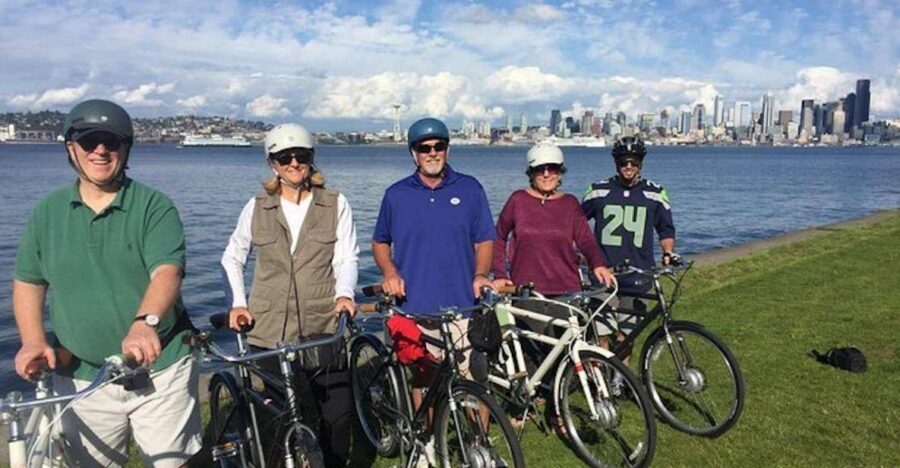
Once you’re set up, you’ll bike away from the busiest parts of downtown and head toward the ferry terminal/water taxi area. The goal is to get you out to the water quickly, then let the boat do part of the work while you take in the skyline.
What I like here is the timing. You don’t just sit and stare from a window—you pedal the approach, get oriented to where you are, then transfer to the boat for a new perspective. That combination keeps the tour from feeling like two separate half-days.
Expect a mostly easy ride. That doesn’t mean it’s a stroller walk—it’s still a bike tour—so keep your attention on traffic flow, curb cuts, and where the bike lane ends. The tour description is clear: it’s casual and easy, but you should be a confident rider.
The water taxi/ferry ride: skyline pictures with a view shift
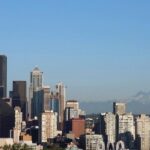
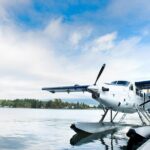
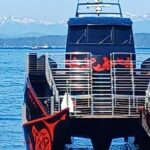
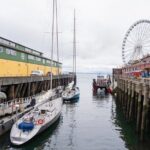
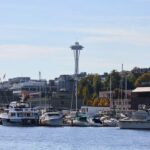
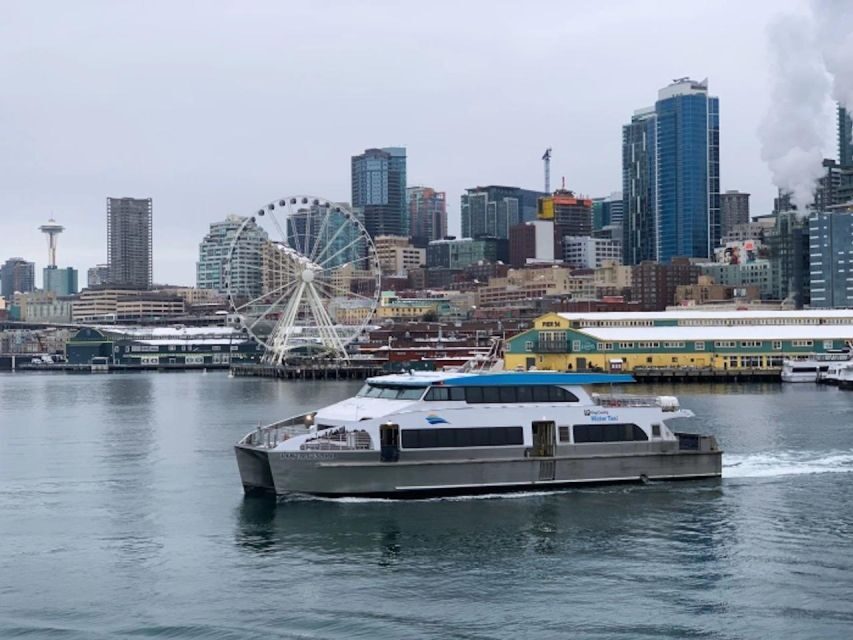
There’s a 15-minute water boat segment that acts like the “scene change” of the day. From the water, Seattle looks different: you see scale—how close neighborhoods are to the water, how the shoreline curves, and how the city stacks vertically.
This is one of those parts where the timing is perfect. Fifteen minutes isn’t long enough to make it feel slow, but it is long enough for you to settle in, take photos, and notice details you’d miss from land. The tour is specifically set up to make this route scenic, so don’t treat it like an unnecessary transfer.
If you’re the type who likes to understand what you’re looking at, keep your eyes open for landmarks as the boat crosses. The guide’s job is to connect what you’re seeing with where you’re headed next, especially as you move toward West Seattle and Alki.
Alki Beach: the best kind of photo stop
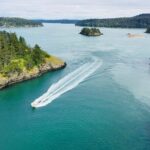
After the boat ride, you’ll bike into the West Seattle beach-town vibe at Alki Beach. This is the part many people come for, and for good reason. The setting makes the city feel closer and more human: people out, shoreline views, and a classic waterfront feel.
You’ll get a mix of:
- a photo stop (so you can actually take the shots you want),
- a guided look-around, and
- biking along scenic stretches toward the light house area.
One practical tip: if you care about photos, use the photo stop for your main wide shots, then save smaller close-ups for later. That way you’re not juggling camera settings while the group is moving.
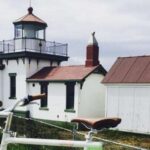
Also, keep an eye out for Alki Point Light House during this general area of the tour. It’s one of those landmarks that turns a nice beach stop into a “where are we in the story of this place” stop.
Plymouth Rock: a quick stop with an outsized story
The tour includes a chance to touch Plymouth Rock, described as the birthplace of Seattle. Even if you don’t buy every part of the origin-story branding literally, it still works as a cultural stop.
Here’s why I think it’s valuable: it gives you something concrete to anchor your mental map. You leave the ride with a named place tied to the city’s early mythology—so you can remember Seattle as more than just views and neighborhoods.
It also breaks up the ride emotionally. Beach scenery is easy to like. A short, specific landmark moment gives the tour structure, so your brain stops treating the day like one long postcard.
Other cycling tours in Seattle
Spotting Seattle’s Duwamish River: wildlife + native connections
On the way back to the city, you’ll stop at the Duwamish River. The tour describes it as Seattle’s only river, which is a good way to frame why it’s special. It’s also where the day gets more than sightseeing.
The goal of this stop is a wildlife search. The tour mentions looking for salmon, sea lions, and great blue herons. Wildlife is never guaranteed—weather, tides, and season matter—but the point is that the stop is set up with a purpose. You’re not just passing by; you’re being guided to look.
The guide also shares context about native people who once lived in this area. This is the kind of history that changes how you interpret a waterfront. Instead of seeing it only as a scenic backdrop, you start seeing it as lived-in land and water that supported community life.
If you’re coming with kids or family, this is often the moment that makes everyone pay attention. Even when you don’t spot an animal right away, the search turns the stop into an interactive mini-adventure.
Standard vs electric bikes: choose based on comfort, not toughness
This is a key decision for this particular tour because it’s built around a mix of biking and boat time. A standard bike can be perfect if you feel confident at moderate speeds and you want the clean, classic bike feel.
If you’re considering the electric option, it’s a smart choice for anyone who:
- wants an easier ride with less fatigue,
- hasn’t biked much lately, or
- prefers spending energy on looking around rather than pushing up every little stretch.
The standard-bike requirement is clear: you must be at least 13 years old and 5’0 for a standard bike. For anyone trying to plan around that, double-check what bike type you’re selecting when you book.
My practical advice: pick the bike that matches your comfort level on control and balance. Electric assist can make the ride feel easier, but it won’t replace basic rider confidence. The tour description is honest that it’s mostly flat and casual—still, it’s not a training-wheels stroll.
Pacing and group size: why 10 people feels right
Small group means less time waiting. The tour is limited to 10 participants, which helps keep the experience moving smoothly, especially at photo stops and around viewpoints.
The tour is also built for a steady rhythm over about 3 hours. That matters because you can actually enjoy the scenery without feeling like the whole day is “in transit.” You’re biking, you’re boating, and you’re stopping—enough variety to keep it interesting, not so much that you’re wiped out at the end.
Pace is described as mostly flat and casual. If you’re comfortable riding in normal city conditions, you should be fine. If you’re not, do yourself a favor and practice beforehand. Even a short practice ride near home can make a big difference in how relaxed you feel during the tour.
Guides: the difference is in the way they connect dots
The tour is led by a live English-speaking guide, and the best part is how the day becomes a coherent story rather than random stops.
In one set of experiences, guides like Darrell are praised for upbeat energy plus a strong Seattle history angle. Another guide like Elaine is noted for making the ride fun while adding context about the city. You’ll feel that difference when you’re on the water and the guide points out what you’re looking at, then ties it to what comes next on land.
Look for the moments where the guide slows the group down just long enough for you to actually understand what matters. Those are often the moments you remember more than the photos.
Price and value: what $120 buys you here
At $120 per person for about 3 hours, this isn’t a bargain-basement add-on. But it does include a lot of real components: bike rental, a helmet, water, guided interpretation, and the water-boat segment that gets you to West Seattle with skyline views.
Where the value shows up is the combination:
- you get scenic transportation by water,
- you get guided stops that make landmarks more meaningful,
- and you get a ride length that’s long enough to feel like an outing, not a quick loop.
If you’re already planning to spend time in this area, I think this price can feel fair because it replaces several “separately planned” activities: getting to Alki, finding the best viewpoint moments, and understanding the Duwamish-area context without doing it all on your own.
If your budget is tight, compare this with the cost of a DIY bike rental plus ferry/water transport plus your time planning routes. If you’d rather buy peace of mind and guided structure, this fits that role.
Weather reality: rain or shine
The tour runs rain or shine, so assume you’ll ride in real weather. That’s another reason to pick the bike option that feels easiest for you—less strain helps when conditions are wet or windy.
Bring common-sense rain gear if forecasts look iffy. You don’t need luxury equipment, but you do want something that keeps you comfortable enough to keep watching and listening rather than just surviving the ride.
Who should book this West Seattle ride?
This tour is a great match if you want:
- big Seattle views without doing hours of walking,
- a calm bike pace that’s manageable for most people who can ride confidently,
- a mix of waterfront scenery plus specific stops like Alki Beach, Alki Point Light House, and Plymouth Rock,
- and a guided stop at the Duwamish River where you’re actively looking for wildlife and learning local context.
It’s also a good choice for first-timers who feel overwhelmed by Seattle neighborhoods. The route gives you a clear geographic story: downtown water → West Seattle and Alki → back via the Duwamish area.
If you’re an ultra-avid cyclist seeking steep climbs and hardcore mileage, you might find this too mellow. But if you want a smart, scenic intro to West Seattle that stays enjoyable, this is exactly the right tone.
Should you book it?
I’d book it if you’re looking for a 3-hour outing that ties together skyline views, West Seattle shoreline time, and a guided connection to places you might not explore on your own. The small group size, the water-boat segment, and the fact that you’re not just biking in a straight line make the experience feel more “Seattle” than a generic waterfront ride.
If you’re hesitant about biking, don’t force it. Practice first, or consider the electric option to keep the day fun instead of stressful. And do go into it expecting a casual ride with real stops, not a workout challenge.
Bottom line: this is a solid value for people who want Seattle scenery plus context, with a pace that lets you enjoy the route.
FAQ
How long is the West Seattle bike tour?
It runs for about 3 hours, though start times can vary. Check availability to see the exact starting times.
Where do I meet the guide?
Meet at the vine st storage unit on the corner of Alaskan Way and Wall St, at 11 Vine St. The tour ends back at the same meeting point.
Is it standard bikes or electric bikes?
Both options are available. The tour is described as a bike tour with an electric bike ride option as well, so you can choose the bike type when you book.
What’s the biking pace like?
It’s mostly flat and casual, but it’s still a bike tour. You should be a confident rider, and if you haven’t biked in a while, it’s recommended you practice beforehand.
Is there an age or height requirement?
For the standard bike option, participants must be at least 13 years old and 5’0 tall.
What stops are included during the tour?
You’ll bike along the waterfront, take a short water-boat ride, visit Alki Beach with scenic stops along the way (including Alki Point Light House), and stop at the Duwamish River on the return. The tour also includes a Plymouth Rock touch point.
Does the tour run in bad weather?
Yes. The tour takes place rain or shine.