REVIEW · BOEING FACTORY TOURS
From Seattle: Boeing Factory and Future of Flight Tour
Book on GetYourGuide →Operated by Show Me Seattle · Bookable on GetYourGuide
Boeing is bigger than you expect. This half-day outing mixes Everett factory viewing with the Future of Flight Aviation Center, so you get both the production reality and the aviation future in one sweep. I love the way the day starts with Boeing and Seattle context on the bus, and I love the clear, crowd-friendly “see it all” pacing at the Future of Flight exhibits.
The standout moment is how close you get to aircraft under construction, plus plane-spotting time from the Strato Deck. The one drawback to plan for is the strict factory rules: no phones/cameras and no most personal items, so you’ll need to rely on viewing and notes, not recording everything.
In This Review
- Key highlights worth planning around
- From Seattle’s Hyatt to Everett: why the ride matters
- Entering Boeing’s Everett factory: what you’ll actually see
- The Strato Deck plane spotting: seeing scale without cameras
- Future of Flight Aviation Center: the interactive payoff
- Guide power: why James, Matthew, Casey, DC, and Lucky-san get noticed
- Price and logistics: is $125 worth it
- The rules that shape your day: lockers, stairs, and what not to bring
- Waiting time and pacing: what to expect if you want more time
- Who should book this Boeing day trip from Seattle
- Should you book the Boeing Factory and Future of Flight tour?
- FAQ
- Where is the pickup location in Seattle?
- How long is the tour?
- How much does it cost?
- Do kids need a certain height to enter the Boeing Factory?
- Are phones, cameras, or other electronics allowed?
- Can I store personal items during the tour?
- Is the tour wheelchair accessible?
- Are restrooms available during the Boeing factory portion?
Key highlights worth planning around
- Downtown Seattle pickup behind the Hyatt Regency saves you from guessing transit timing and parking.
- Hands-free Boeing factory tour means you’ll use lockers and travel light for the factory portion.
- Strato Deck plane spotting gives you an easy way to connect what you see indoors with what’s happening outside.
- Future of Flight Gallery + simulator + Dreamliner interior mockup turn the science and design talk into something you can try.
- Highly praised guides like James Grindell, Matthew, Casey, DC, and Lucky-san can make the drive and explanations feel personal.
From Seattle’s Hyatt to Everett: why the ride matters
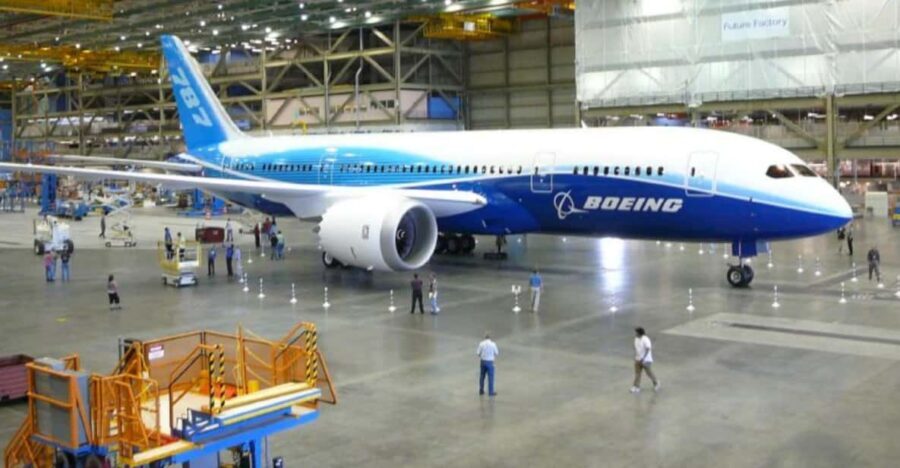
This tour feels efficient because it starts with an organized pickup in central Seattle. Your coach meets at the Charter Bus zone next to the Hyatt Regency, on the east side of 8th Avenue between Olive and Stewart. Show up about 15 minutes early to check in with your guide, and if you arrive early you can grab coffee and pastries in the Hyatt area.
The drive north to Everett is where you get set up. You’ll learn about William Boeing and how Seattle’s aviation story ties into the current scale of the plant. If you’re an aviation fan, this matters because it changes how you read what you see later: you’ll be watching aircraft production through a story, not just a warehouse.
You’re also traveling with a live English guide on the bus, not only a headset-style commentary. Many people seem to remember the drive as much as the stops, and the best guides bring Boeing history down to human details. You might even get a guide like James Grindell, whose energy and airplane talk often get singled out, or other guides such as Matthew, Casey, DC, or Lucky-san.
Other Seattle tours we've reviewed in Seattle


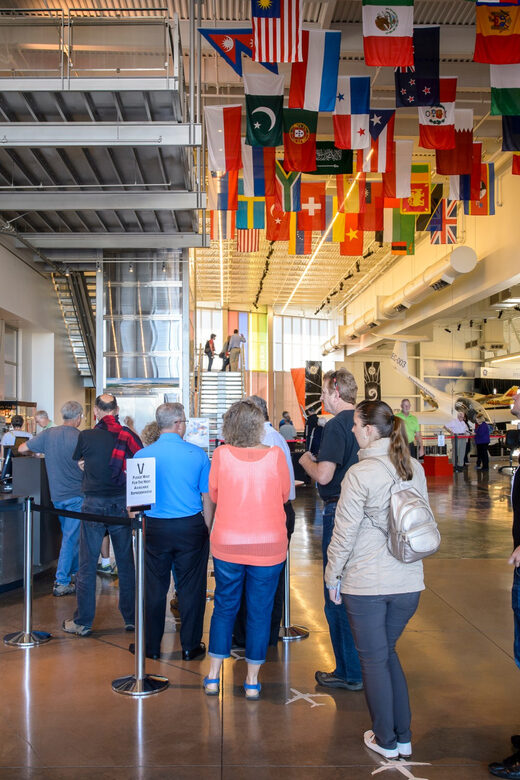
Entering Boeing’s Everett factory: what you’ll actually see
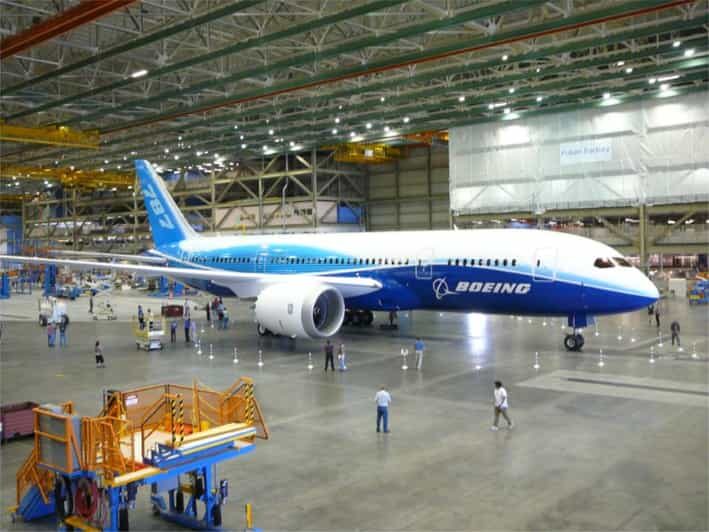
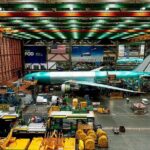
Once you arrive, the day pivots to the main event: the Boeing Everett assembly plant. This is where you’ll see aircraft like the 747, 777, and 787 Dreamliner (and you’ll get a sense of different stages of production rather than just one “finished” view).
The factory tour itself is hands-free, and that word is not marketing fluff. In practice, it means your movement and what you can bring are tightly controlled. You’ll use complimentary lockers in the lobby area, and you should plan to store your belongings before your tour time begins.
Important practical reality: you won’t spend all your time standing in front of a single aircraft. The factory portion includes walking and floor-to-floor movement, plus a long enough layout to keep groups moving through specific viewing areas. The tour also includes climbing stairs; the info provided says you’ll need to climb 21 stairs, even though elevators are available on all floors.
Also note the restroom timing. Restrooms are available at the Future of Flight Aviation Center, but not during the 1.5-hour Boeing Factory tour. So I’d treat the factory segment like a focused block: use the facilities before you go in, then settle in for the viewing.
The Strato Deck plane spotting: seeing scale without cameras
One of the reasons this tour gets repeated love is the chance to watch from the Strato Deck. That’s where the aircraft look unreal because the people are tiny and the airplanes feel like buildings. The view helps you connect the indoors “workstations” with the outer production rhythm.
But you need to plan for the rules on capture. Inside the Boeing factory, cameras are not allowed, and the tour also bans things like cellphones, tablets, video recording, and drones. That means you won’t be snapping photos to prove to your friends you were there.
So how do you make the most of it anyway? Bring a notebook (or keep a small piece of paper in what you’re allowed to carry to the viewing areas) and jot down what you want to remember: which aircraft type you’re looking at, which area you’re watching, and any terms your guide explains. It sounds basic, but it’s the difference between seeing a lot of metal for an hour and leaving with actual takeaways.
Some guides also bring people to additional perimeter-viewing points outside the factory viewing route. That’s not guaranteed in the general tour description, but it shows up in guide-driven experiences like extra spotting stops. Either way, the Strato Deck time is built into the tour structure, so that part is usually reliable.
Future of Flight Aviation Center: the interactive payoff
After the factory portion, you’ll shift gears to the Future of Flight Aviation Center. This is where the day stops feeling like just logistics and starts feeling like aviation education you can touch.
The Future of Flight portion includes:
- The Future of Flight Gallery with interactive exhibits
- A flight simulator
- A mockup of the ultra-modern Dreamliner interior
This combination is smart. A production tour gives you scale and procedure. The exhibits and simulator help you understand what those design and manufacturing choices are trying to accomplish for real passengers and pilots.
I like this stop for value because it covers both sides of the aviation equation: where planes come from, and how they’re supposed to feel and perform. If you’re traveling with someone who doesn’t care about factories, the simulator and interior mockup tend to win them over. If you’re the airplane fan, the Dreamliner interior model turns the “why” back into the “wow.”
There’s also a timing detail to plan around. Since restrooms aren’t available during the factory tour block, you’ll probably want to use the Future of Flight facilities before your exhibit time, when you have access again.
Guide power: why James, Matthew, Casey, DC, and Lucky-san get noticed
This tour has a built-in challenge: Boeing is huge, and most people arrive with a big-picture curiosity. What makes the experience better is the guide’s ability to translate that scale into clear, human details.
Names come up often in the guide experience. For example, James Grindell gets described as deeply energized about airplanes and Boeing history, and people note the drive is packed with facts. Other guides such as Matthew, Casey, DC, and Lucky-san also get praised for combining route storytelling with useful explanations at the stops.
Even when the factory viewing time is limited (more on that in a second), a strong guide helps you “read” what you’re seeing. You start noticing patterns: how the production flow changes by aircraft type, how the plant’s layout supports assembly at scale, and what the Future of Flight exhibits connect back to.
If you can choose among departure days, I’d pick a slot where you expect you’ll get an enthusiastic guide rather than treating it like a generic bus transfer. The guide is part of the product here.
Other Boeing factory tours we've reviewed in Seattle


Price and logistics: is $125 worth it
At $125 per person for a tour that runs about 270 minutes, you’re paying for three things: organized transportation, a coordinated factory visit, and admission to the Future of Flight Aviation Center.
Is it a bargain? It depends on what you compare it to:
- If you’d otherwise pay for separate transport north and separate admission, it becomes easier to justify.
- If you love aviation and want a guided “how it’s built” day without the headache, it feels like good value.
The part that can feel pricey is that you don’t control the rules once you’re inside. You’re not free to wander, you can’t film, and you’ll spend time in structured viewing areas rather than long, unhurried access. If you expect a hands-on museum where you can touch everything, manage your expectations early.
For many people, the value comes from seeing the scale of the hangars and the production flow in a single outing. Even if your camera stays locked away, the visual impact tends to be the selling point.
The rules that shape your day: lockers, stairs, and what not to bring
This is where people most often feel friction, so plan like you’re preparing for airport security.
Boeing factory tour rules include:
- No purses, handbags, waist pouches, or backpacks
- No binoculars or electronics (including cameras, video equipment, or drones)
- No phones or tablets
- No food or drinks
- No weapons
- No smoking or vaping
The good news is you’re not stuck carrying everything. You can leave items like your phone/camera and bag in a locked tour shuttle or use a locker at the Future of Flight Aviation Center. Also, the factory itself includes complimentary lockers in the lobby area.
Then there’s the walking and stairs piece. The info provided says the participation includes about 0.3 miles (0.5 km) round trip, with flights of stairs to navigate. You’ll also climb 21 stairs during the factory tour. Elevators are accessible on all floors at both the Boeing Future of Flight and the Boeing Everett Factory Tour, but you still have stair climbing in the route plan.
Accessibility notes are mixed, and you should read them carefully:
- The coach vehicles used for the tour do not have a wheelchair lift.
- You must be able to climb 3 stairs to board the coach.
- Wheelchairs and mobility scooters that fold or collapse can be stored.
- The Future of Flight facility has elevators, and there’s a limited number of wheelchairs available at the Aviation Center.
- The factory tour can be done by wheelchair with advance notice, but the overall walking/stairs requirements still matter.
So if mobility is a challenge for you or your group, don’t treat this as a casual outing. It’s accessible in parts, but the route and boarding require planning.
Waiting time and pacing: what to expect if you want more time
One pattern that shows up in the experience is that the day can feel heavier on viewing setup than on long, slow exploration. There can be a wait between arrival at the Boeing site and when the official tour begins. Once the factory portion starts, it moves as a structured sequence.
On the Future of Flight side, the gallery time can also feel time-boxed. If you love reading every panel and you want extra slow time with the simulator, you might feel like you want more room after the scheduled visit.
My advice: go in knowing this is a “see the works” tour, not a free-form museum marathon. If you’re the type who wants to linger, treat it like a highlight reel and plan to return on a separate day if you want longer exhibit time.
Who should book this Boeing day trip from Seattle
This tour is for you if:
- You’re an aviation fan who wants factory-scale production viewing
- You like guided storytelling that connects Boeing to the Seattle region
- You want both production reality and a Future of Flight learning experience in one day
It may be less satisfying if:
- You want hands-on access, unlimited time, or unrestricted photo/video
- You’re traveling with someone who struggles with stairs and structured routes
- You’re hoping for a relaxed, wander-at-your-own-pace museum visit
Kids can go, but there are strict limits. The factory requires children to be at least 4 feet (122 cm) tall. Children under 16 must be accompanied by an adult, and the info also says no babies are allowed.
Should you book the Boeing Factory and Future of Flight tour?
Book it if you want a guided, one-stop Boeing experience that combines real production scale with Future of Flight interactive learning. The biggest wins for most people are the organized Seattle pickup, the factory viewing structure, and the way the Future of Flight exhibits and simulator turn “how planes are built” into “what that means.”
Skip it or reconsider if your priorities are photo/video capture, lots of unstructured time, or if stairs and boarding are a problem for you. This isn’t the kind of tour where you can wing it with a big bag and a phone in your hand. You’ll get the most value by traveling light and leaning into the guided viewpoints.
If you do book, arrive early at the Hyatt pickup point, use lockers early, and plan to spend your attention on what the guide is explaining rather than what you can film.
FAQ
Where is the pickup location in Seattle?
The coach picks up at the Charter Bus zone next to the HYATT REGENCY, on the east side of 8th Avenue between Olive and Stewart Streets. You should arrive 15 minutes before departure to check in.
How long is the tour?
The tour duration is about 270 minutes.
How much does it cost?
The price is $125 per person.
Do kids need a certain height to enter the Boeing Factory?
Yes. Children must be at least 4 feet (122 cm) tall to go on the Boeing Factory tour.
Are phones, cameras, or other electronics allowed?
No. Phones/cellphones and cameras are not allowed, and electronics (including video equipment) are also restricted on the Boeing Everett Factory tour.
Can I store personal items during the tour?
Yes. The factory tour uses complimentary lockers, and you can also leave items like your bag, phone, and camera in a locked tour shuttle or use lockers at the Future of Flight Aviation Center.
Is the tour wheelchair accessible?
The facility is accessible, but the coach does not have a wheelchair lift. Wheelchairs and mobility scooters that fold or collapse can be stored, and guests must be able to climb 3 stairs to board the coach. Elevators are available at the facilities, and there is a limited number of wheelchairs available at the Future of Flight Aviation Center.
Are restrooms available during the Boeing factory portion?
Restrooms are available at the Future of Flight Aviation Center, but not during the 1.5-hour Boeing Factory tour.