REVIEW · MUSEUMS
Seattle: National Nordic Museum Entry Ticket
Book on GetYourGuide →Operated by National Nordic Museum · Bookable on GetYourGuide
Nordic history, right in Ballard. The National Nordic Museum makes it easy to explore 12,000 years of Nordic life at your own pace, and it ties it directly to how Seattle grew—especially through the Nordic immigrant story in the Pacific Northwest. Two things I really like: the way Nordic Journeys connects culture, values, and real objects, and the setting in beloved Ballard. One possible drawback: on busier days, you may hear some loud kids in common areas.
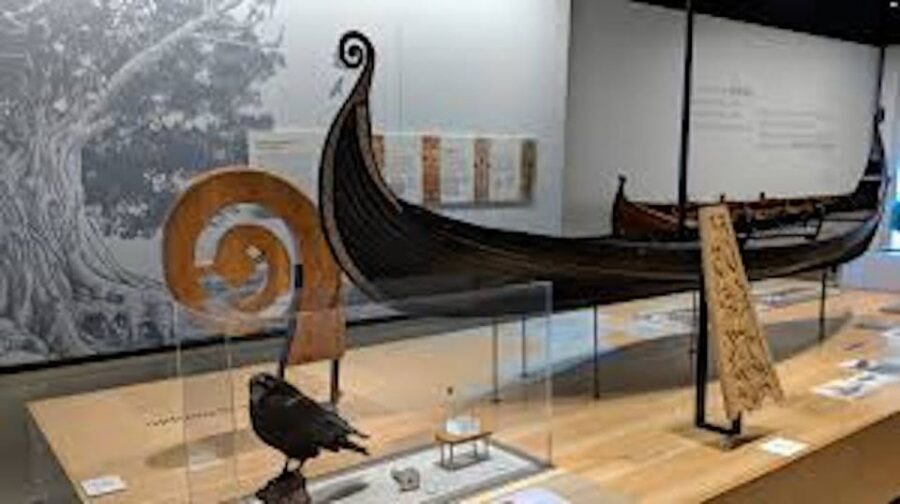
The standout is Nordic Journeys, which covers Denmark, Finland, Iceland, Norway, and Sweden, plus Faroe Islands, Greenland, Åland Islands, and the cultural region of Sápmi and the Sámi people. You’ll move through toolmaking, daily work, religious change, Viking-era material, and twentieth-century modern design—so it’s not just a museum of costumes.
Plan for rules that shape the experience. Food and drink aren’t allowed in the galleries (you’ll want to save snacks for the onsite café, Freya), and big bags won’t work—so bring light and use the coat check.
In This Review
- Key Highlights to Plan Around
- Where This Museum Fits Into a Seattle Day
- Nordic Journeys: A Time-and-People Story, Not Just a Timeline
- Artifacts You’ll Want to Pause For
- Visiting Exhibitions and the Chance of a Big Sensory Show
- How to Plan Your Self-Paced Day (Without Overthinking It)
- Ballard Before or After: Make the Neighborhood Part of the Ticket
- Practical Rules That Affect Your Comfort (So You Don’t Get Stuck)
- No food or drink in galleries
- Light bags work best
- Photography rules are straightforward
- What not to bring
- Wheelchair accessibility
- Price and Value: Is $20 Worth It?
- Who Should Book This Ticket
- Should You Book This National Nordic Museum Ticket?
- FAQ
- How much does the National Nordic Museum ticket cost?
- What does general admission include?
- How long is the ticket valid?
- Can I leave the museum and come back the same day?
- Where do I exchange my voucher for admission?
- Is the museum wheelchair accessible?
- Can I eat or drink in the museum galleries?
- Is photography allowed?
- Is there a coat check?
- What items aren’t allowed inside?
Key Highlights to Plan Around
- Nordic Journeys across 12,000 years with a values-based throughline (social justice, respect for nature, curiosity, openness)
- Artifacts that cover toolmaking to modern design, including very old stone axes and objects tied to Christianization
- Loaned collections and museum holdings, mixing permanent pieces with nearly 100 items on loan from Nordic national museums
- Self-paced admission for a full day, with permission to leave and return to the galleries using proof of purchase
- Photography rules that keep it simple, with no flash and no tripods
- Ballard as your bonus plan, since the museum sits in a neighborhood with coffee and places to eat
Where This Museum Fits Into a Seattle Day
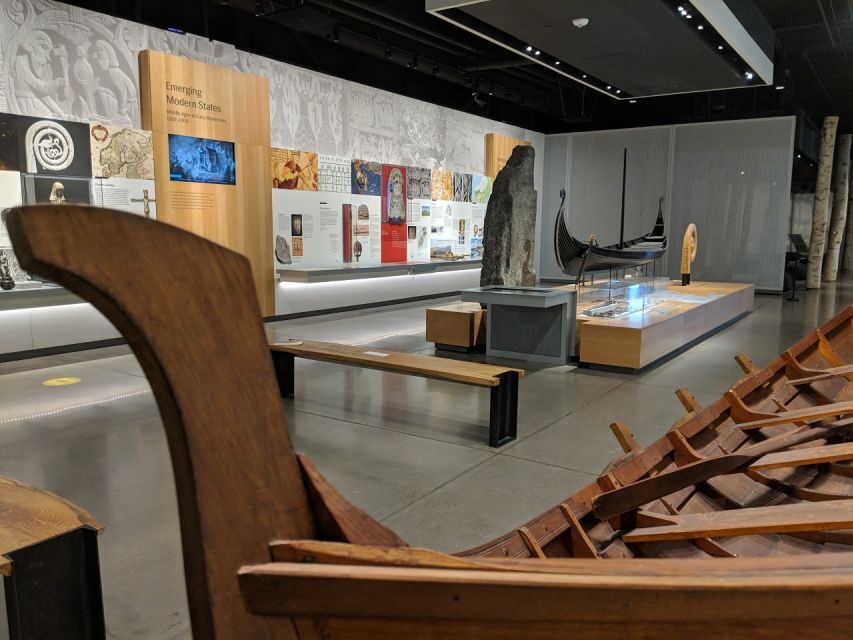
This isn’t a museum you rush. The ticket is built for wandering: you’re admitted for the whole day, and you can leave and come back using proof that you paid. That matters because Nordic Journeys is wide-ranging—you’ll want time for the cases, the room-sized exhibits, and the moments where you just stop and look longer than you planned.
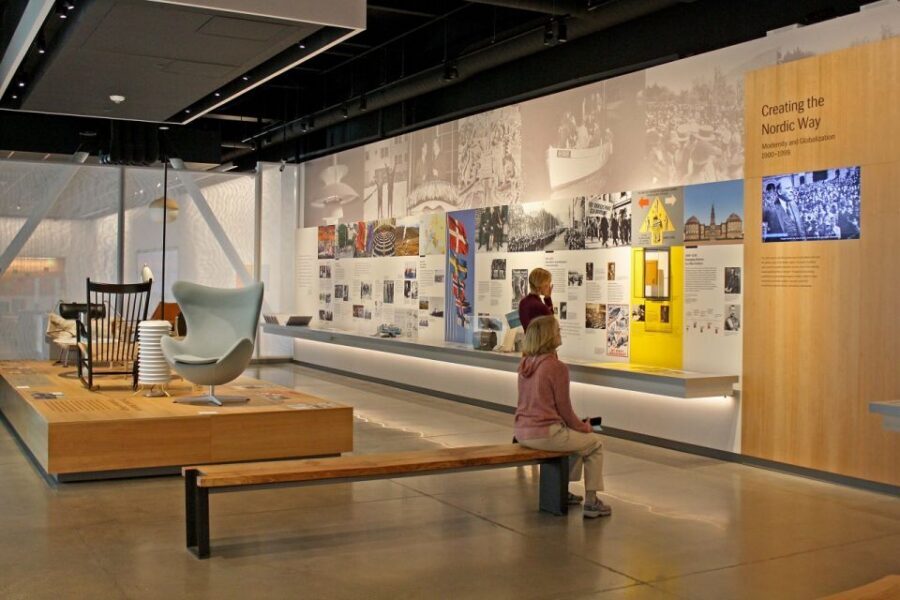
The building is also part of the experience. It feels thoughtfully set up for visitors to move through eras without feeling like you’re constantly hunting for the next thing. If you’re the kind of person who likes reading labels and then lingering on a single object for a minute, you’ll feel at home.
Other Seattle tours we've reviewed in Seattle


Nordic Journeys: A Time-and-People Story, Not Just a Timeline
Nordic Journeys is organized around five Nordic countries—Denmark, Finland, Iceland, Norway, and Sweden—then expands outward to autonomous territories like Faroe Islands, Greenland, and Åland Islands. It also doesn’t skip Sápmi, the cultural region of the indigenous Sámi people, which gives the whole exhibit a wider view of who counts as Nordic history.
What makes it work is the “why” behind the objects. The exhibit frames Nordic people with common values: commitment to social justice, respect for nature, intellectual curiosity, and openness to new ideas. Instead of treating culture as something frozen in the past, it keeps pointing back to those values as a thread you can recognize across centuries.
As you walk through, you’ll run into a range of material culture:
- utilitarian stone axes and tools more than four thousand years old
- the rich contents of a Viking grave
- rare religious objects connected to the Christianization of the Nordic region
- traditional objects from everyday life, both at home and at work
- iconic examples of twentieth-century modern design
That mix is what makes the experience feel human. Tools show what people needed. Graves and religious objects show what people believed and how societies changed. Everyday work objects remind you that culture isn’t only art—it’s routine. And modern design helps explain why Nordic aesthetics became a recognizable global style.
Artifacts You’ll Want to Pause For
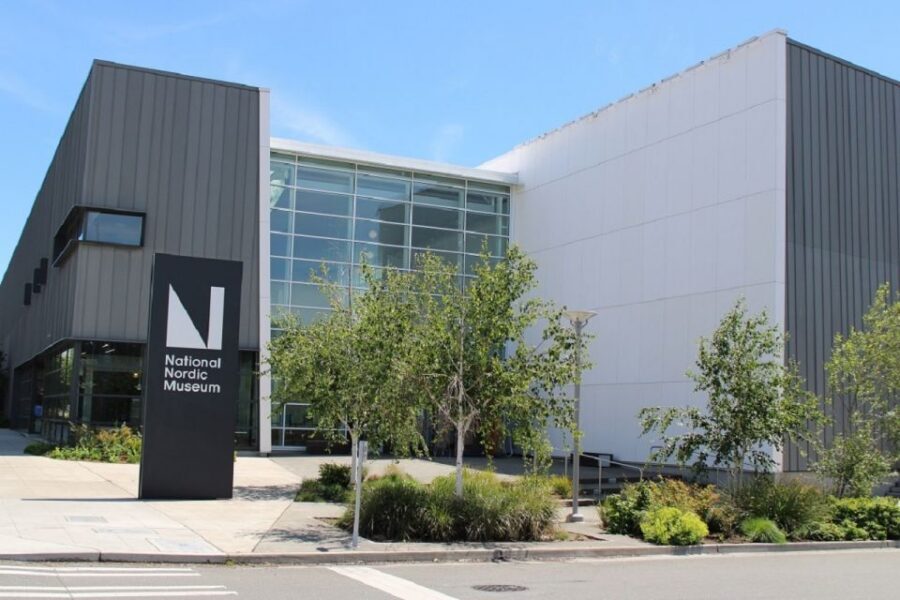
I love exhibits that don’t just show big-name periods. Nordic Journeys gives you specific kinds of objects that act like anchors for understanding.
You might find yourself stuck on the earliest tools—those stone axes and implements that are over four thousand years old. They’re simple, but that’s the point: you’re looking at the kind of problem-solving that never goes out of style.
Then the exhibit shifts to more dramatic evidence of belief and status, like the contents of a Viking grave. Even if you don’t know the details, you’ll likely feel the care in what was placed there—and how the museum lets you see that without turning it into a movie scene.
Religion shows up too, especially through rare objects from the period of Christianization. That section is a reminder that cultural change is often layered: new beliefs arrive, old practices don’t vanish overnight, and everyday life keeps moving.
And when you reach the twentieth-century design examples, it’s not random. It helps you connect what you’ve already learned to something you might recognize in the real world—design thinking, clean forms, and that Nordic reputation for practical beauty.
One more detail I appreciate: Nordic Journeys doesn’t rely only on the museum’s own holdings. The museum has nearly 80,000 objects in its permanent collection, and this exhibition also includes nearly 100 loaned objects from museums across the Nordic countries plus significant American collections. That’s why the exhibit feels broader than a single collection.
Visiting Exhibitions and the Chance of a Big Sensory Show
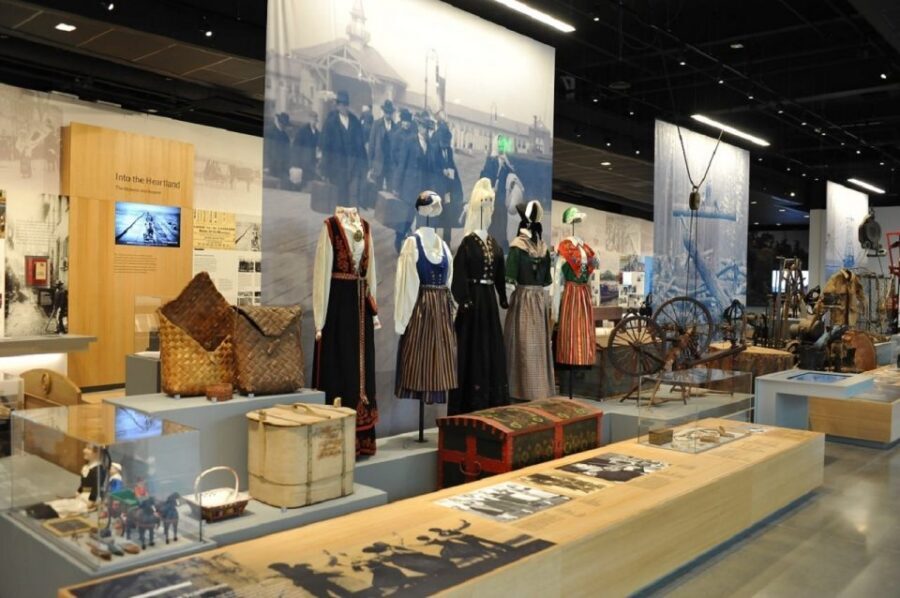
Your general admission doesn’t stop at Nordic Journeys and the permanent galleries. It also covers current visiting exhibitions, which can change over time. One example from the past that’s worth noting: a Jonsi exhibit described in one recent visit as a dark-room experience with the sounds of waves and smells of the sea.
If a major sensory show is on during your visit, plan to give it time in your schedule. Those exhibits tend to work best when you don’t treat them like a quick stop between rooms.
Even without a big ticket special show, the museum’s permanent setup plus Nordic Journeys gives you enough to build a full day. The key is to pace yourself—pick a couple of sections you want to understand deeply, and let the rest be discovery.
How to Plan Your Self-Paced Day (Without Overthinking It)
Since you’re free to roam, your “itinerary” is really your strategy.
Here’s a practical way to pace things:
- Start with Nordic Journeys so you get the exhibit’s values and timeframe framework early. Once that mental map is in place, everything else clicks faster.
- Break for the café around the time you’ve done several rooms or eras. Food and drink aren’t allowed in the galleries, so you’ll want an actual pause.
- Save your favorite objects and design sections for later. By then, you’ll have context—and you’ll notice connections you might miss earlier.
Also, plan for a return trip. The ticket is good for the whole day, and you can re-enter the galleries with proof of purchase. That flexibility is great if you want to step out, cool off, or handle a quick neighborhood stop without feeling like you’re wasting paid time.
A few more Seattle tours and experiences worth a look






Ballard Before or After: Make the Neighborhood Part of the Ticket
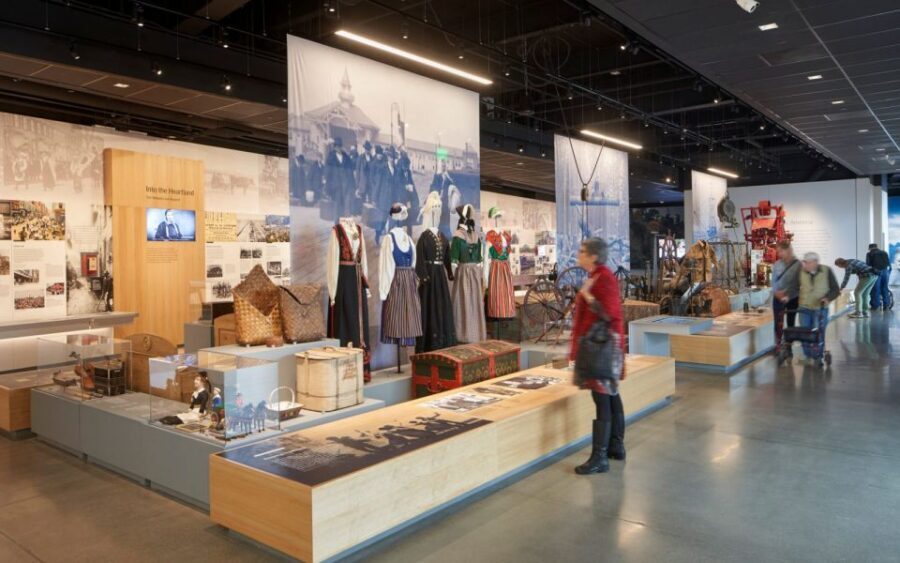
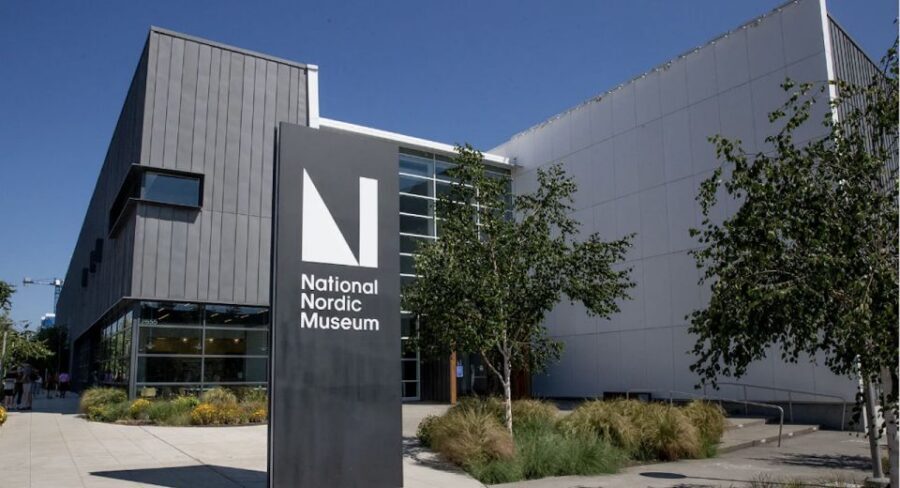
The National Nordic Museum sits in Ballard, which is one of Seattle’s more distinctive neighborhoods. It’s a solid plan to pair your museum visit with coffee and a meal nearby, because you’ll naturally want something between gallery hours and after you’re done.
If you like building a day that feels local rather than rushed, Ballard helps. You’re not just visiting a museum in a parking lot—you’re stepping into a real neighborhood with places to eat and drink.
A simple approach:
- Visit the museum when you’re freshest.
- Use Ballard afterward for lunch or dinner so you don’t end up grabbing something too close to closing time.
Practical Rules That Affect Your Comfort (So You Don’t Get Stuck)
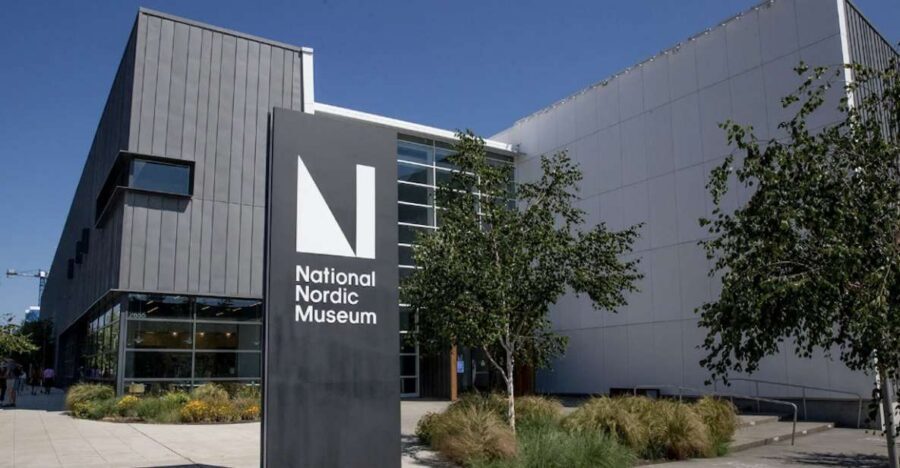
A few policies shape how smoothly your day goes. Knowing them up front saves stress.
No food or drink in galleries
You can’t bring food and drink into the museum galleries. The fix is easy: eat at the onsite café, Freya. If you’re the kind of person who likes a snack while reading labels, plan on doing that outside the galleries instead.
Light bags work best
Oversize luggage and large bags aren’t allowed, and you’ll want to avoid bringing a bulky backpack. There’s a complimentary coat check at the Admissions desk, which helps for coats and smaller items.
Photography rules are straightforward
Personal, non-commercial photography is allowed, as long as you don’t use flash. Tripods and large photography gear aren’t allowed either. If you’re bringing a camera, keep it simple so you’re not stuck negotiating around rules mid-visit.
What not to bring
Weapons or sharp objects aren’t allowed, and firearms or other weapons are prohibited. The museum also notes non-service animals aren’t permitted. If you’re traveling with anything unusual, check before you head over.
Wheelchair accessibility
The museum is wheelchair accessible, so you can plan with mobility needs in mind.
Price and Value: Is $20 Worth It?
$20 for a full day is a fair deal—especially because it covers more than one exhibition layer. You get general admission that includes:
- the permanent exhibition
- Nordic Journeys
- current visiting exhibitions
That combo matters. If Nordic Journeys is the main reason you’re coming, you’re still getting extra exhibition time if you find sections you want to revisit. And because admission is valid for the whole day with leave-and-return, you’re not stuck doing a half-visit if you hit one interesting room and want a slower second pass.
One more value point: this museum gives you Seattle connections. Emigration from the Nordic region brought millions of settlers to North America, and many ended up in the Pacific Northwest, including the Ballard area. That local tie makes the ticket feel less like a far-away culture stop and more like a piece of regional identity.
Who Should Book This Ticket
This is a great pick if you:
- like museum visits where you can control the pace
- want history tied to people and values, not just dates
- enjoy hands-on-feeling objects like tools, everyday items, and material culture
- are curious about how Nordic immigrant communities influenced Seattle’s arts, culture, and business
- plan to spend time in Ballard anyway
It may be less ideal if you:
- prefer quiet, tightly controlled environments (some days can be noisy due to kids in common areas)
- hate museum rules about bags and food in galleries (this one is strict enough that you’ll feel it if you travel heavy)
If you’re traveling with kids, you might still have a good time—just build in patience and pick times of day when the museum is calmer.
Should You Book This National Nordic Museum Ticket?
If you want a one-day plan that’s genuinely different from the usual Seattle checklist, I’d book it. The ticket price is reasonable for the time you get, and Nordic Journeys gives you a structured way to understand culture across thousands of years—without turning it into a lecture.
Book it especially if you like object-based history and you care about how communities shape a place. If your schedule is tight or you dislike museum environments with occasional noise, go with expectations set—and consider timing your visit to avoid the busiest stretches.
FAQ
How much does the National Nordic Museum ticket cost?
The entry ticket price is $20 per person.
What does general admission include?
General admission includes entry to the permanent exhibition, the Nordic Journeys exhibition, and current visiting exhibitions.
How long is the ticket valid?
Your admission is valid for 1 day.
Can I leave the museum and come back the same day?
Yes. Your admission fee is good for the whole day, allowing you to leave and return to the galleries with proof of purchase.
Where do I exchange my voucher for admission?
You exchange your voucher for general admission at the front desk.
Is the museum wheelchair accessible?
Yes, the museum is wheelchair accessible.
Can I eat or drink in the museum galleries?
Food and drink are not permitted in the museum galleries. You can eat at the onsite café, Freya.
Is photography allowed?
Personal, non-commercial photography is allowed as long as no flash is used. Tripods and other large equipment are not allowed.
Is there a coat check?
Yes. Complimentary coat check is available at the Admissions desk.
What items aren’t allowed inside?
Weapons or sharp objects are not allowed. Oversize luggage and large bags (including backpacks) are not permitted, and firearms or other weapons are prohibited. Non-service animals are also not allowed.