REVIEW · MT RAINIER DAY TOURS
Explore Mt. Rainier National Park with a Local Guide
Book on Viator →Operated by BARBIL TOURS · Bookable on Viator
Rainier in one day feels almost unfair. This tour strings together the park’s best-known stops with a local guide who adjusts the plan for weather, crowds, and what you like. I especially like the chance to get iconic shots at Reflection Lake (that mirrored Mount Rainier look) and the real trail time around Paradise, including stops that make you feel like you’re on a guided field trip instead of a bus loop. One thing to consider: this experience depends on good conditions and minimum group size, so cancellations can happen if weather or enrollment doesn’t cooperate.
You’ll also be traveling in a small group (up to 14), which matters on Rainier roads where timing is everything. From what I’ve seen shared by past guests, guides like Dwight and Mike tend to keep things relaxed—plenty of time to hike, and clear pointers that help you enjoy the views without feeling rushed. If you’re the kind of traveler who wants constant commentary and guiding from start to finish, just remember there can be day-to-day variation in how much the person driving provides during the ride.
In This Review
- Key highlights worth planning around
- What You’re Really Paying for on a Mt. Rainier Local-Guide Day
- Start With an Outdoor Breakfast Break and a Plan That Adapts
- Narada Falls: a Two-Tier Horsetail Moment on the Route to Paradise
- Henry M. Jackson Visitor Center and Paradise: Views, Wildflowers, and Trail Time
- Reflection Lakes: the Shot-Perfect Mirror, With Trail-Respect Rules
- Guide Quality on This Kind of Day: What to Look For
- Who This Tour Fits Best (and Who Might Want a Different Plan)
- Planning Smart: Weather, Timing, and Rainier’s One Big Variable
- Should You Book This Mt. Rainier Tour?
- FAQ
- How long is the Mt. Rainier National Park with a Local Guide tour?
- What’s included in the price?
- Is breakfast or lunch included?
- How many people are in the group?
- Do I need good weather for this experience?
- Can you boat or fish at Reflection Lakes?
Key highlights worth planning around
- Small group size (max 14) means more flexible pacing and easier stops for photos
- Paradise time for views and wildflower meadows plus room to picnic and hike
- Narada Falls as a quick, high-impact stop with a classic two-tier horsetail shape
- Reflection Lakes rules make the experience better: you stay on trails to protect the meadows
- Seattle pickup and drop-off reduces hassle when you’re only in town for a short window
What You’re Really Paying for on a Mt. Rainier Local-Guide Day
At $385 per person for an 8 to 10 hour outing from the Seattle area, you’re not paying just for “getting there.” You’re paying for a guided, structured day that’s designed around Rainier’s realities: mountain weather changes fast, roads can shift access, and the best spots come with crowd patterns.
The practical win is the combo of pickup/drop-off, bottled water, and park entrance fees included. That makes it easier to budget and less stressful on the ground—no last-minute ticket hunting while everyone’s jockeying for the same parking spaces. The tour also uses a mobile ticket, which is one less thing to manage while you’re traveling.
Group size is capped at 14 travelers, which is a sweet spot for this type of day. You still get the shared-energy feeling of a group, but you’re not stuck in a giant flow. That matters at Paradise, where timing and walking pace can make the difference between enjoying the meadows and feeling like you’re racing.
One more value signal: the itinerary is built to include stops that cover a few different “Rainier moods”—waterfall drama, big viewpoint country, and calmer reflective-lake scenery. If you only have a day, this structure is efficient.
Other Mt Rainier day tours we've reviewed in Seattle

Start With an Outdoor Breakfast Break and a Plan That Adapts
The day begins on the way into the park with a light breakfast outdoors. Even though breakfast itself isn’t listed as included, the timing is set up so you can grab something light and get your bearings before you hit the main Rainier zones.
What I like here is the why behind the pacing: your guide is combining group preferences, current conditions, and highlight targets. Rainier days are often about tradeoffs—where you can go, where you can see, and how long you’ll actually want to walk. A good guide’s job is to build a plan that still feels fun when the weather shifts or a spot gets crowded.
This matters because Rainier isn’t just one “thing.” You’re moving through mixed ecosystems and different elevations in a single day. Without planning, it’s easy to spend your limited time in transit or at viewpoints where the line and noise are doing all the work for you.
Tip: If you’re someone who hates waiting around, this tour can still feel comfortable because stops are spaced with time built in. You’re not just dropped at a parking lot and left to figure everything out.
Narada Falls: a Two-Tier Horsetail Moment on the Route to Paradise
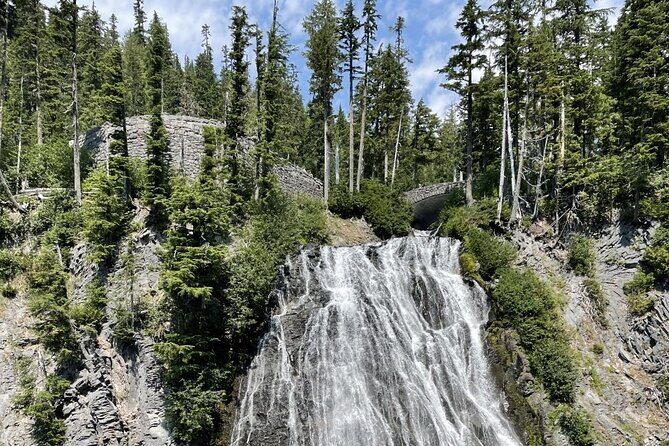
Narada Falls is one of those places that delivers fast, even if you’re not aiming for a huge hike. It’s located on the road from Longmire to Paradise, about one mile west of the Paradise entrance area.
Here’s the key detail that makes it worth the stop: it’s 176 feet high and has two distinct features. The higher tier (the 159-foot section) is described as a horsetail fall—multiple channels of water spill down the rock face, giving it that classic streaked look.
The time you’ll spend is short—about 45 minutes—so this is a good “energy reset” stop. You can take photos, scan the angles, and still keep enough time in the day to enjoy Paradise without feeling like you rushed your own viewpoint.
Realistic expectation: because it’s a popular Rainier attraction, it can be busy. The value of having a local guide here isn’t that the waterfall becomes empty; it’s that you spend more time looking and less time figuring out the best approach.
Henry M. Jackson Visitor Center and Paradise: Views, Wildflowers, and Trail Time
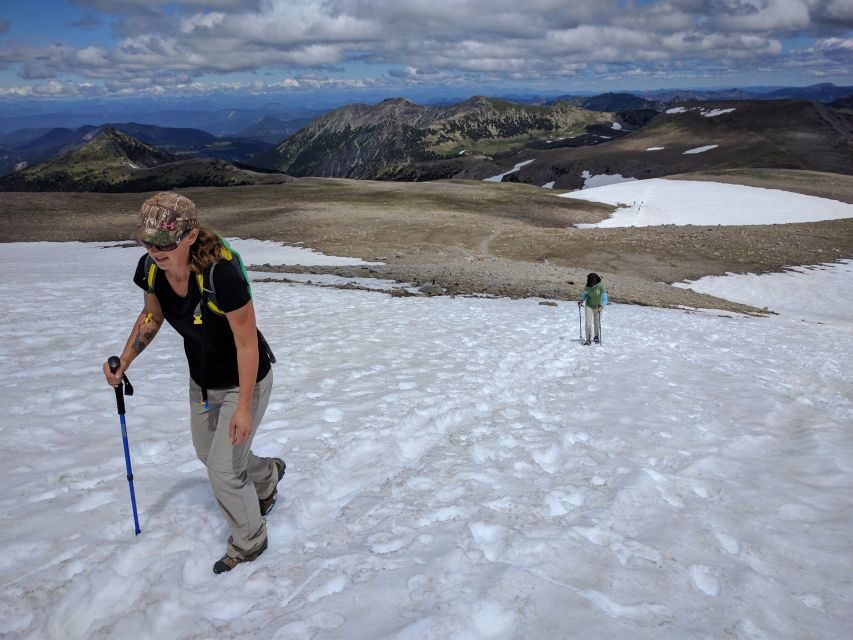
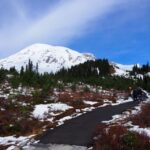
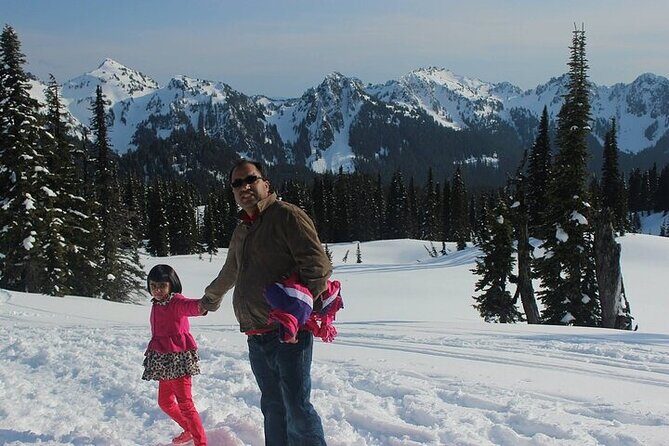
Paradise is where Rainier starts to feel cinematic. This is also the most heavily visited area for good reason: it’s built for big views and the kind of meadows that turn simple hikes into memorable walks.
You’ll spend about 2 hours at the Henry M. Jackson Visitor Center area. The elevation is noted as 14,410 feet above sea level (so the air can feel sharp, especially if you’re sensitive to altitude). The mountain description here is also very specific—Rainier is presented as the king of the Cascade Range, with a sharp pyramidal summit, broad snowfields, and deep glaciers. That framing helps you understand what you’re looking at instead of just admiring it.
What you can do in this stop:
- Take a hike on your own pace
- Picnic with views
- Work in “several different kinds of walking,” depending on how you feel
One of the tour highlights is hiking among ancient sequoia trees. That’s the kind of detail that changes Paradise from “just a viewpoint” into something more textured—a break from only seeing mountain and meadow.
What I love about this stop is the blend: you get a famous viewpoint setting, plus flexibility. The itinerary doesn’t treat Paradise like a checklist. It gives you enough time to choose your own route and still catch the big moments.
A drawback to watch for: Paradise is popular, so even with a guide, it can feel crowded at the most famous overlooks. Still, having time built in helps—crowds don’t stay fixed, and you can often shift your walking rhythm to find the calmer pockets.
Reflection Lakes: the Shot-Perfect Mirror, With Trail-Respect Rules
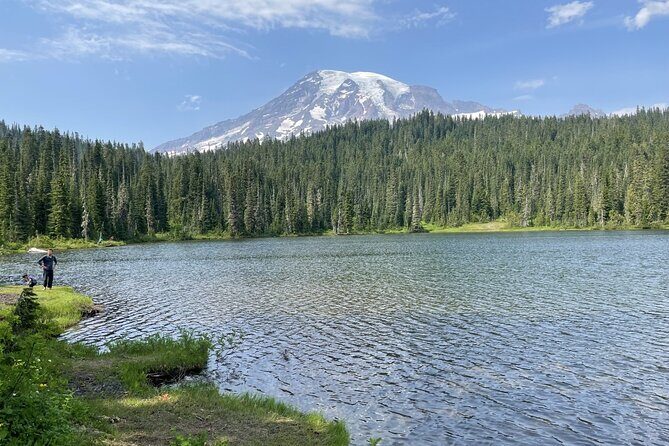
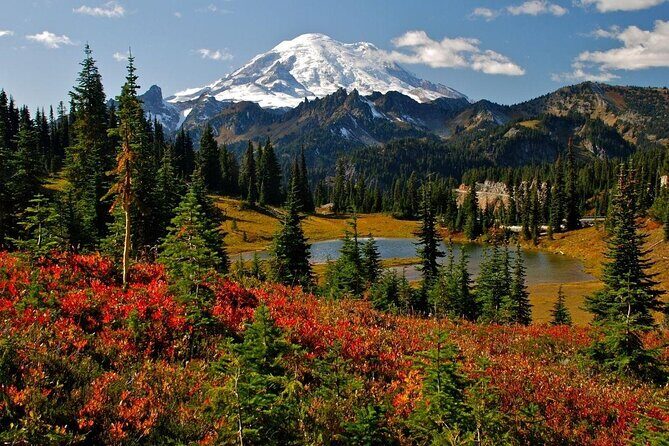
Reflection Lakes are famous for exactly what the name promises: on a good day, you can see Mt. Rainier reflected in the water. This stop runs about 45 minutes, which is enough time to take photos and walk a short route without turning it into a long scramble.
This area sits along Stevens Canyon Road, which is open to vehicles in summer, typically June through September. In summer, the key rule is that you must stay on trails to protect the delicate subalpine meadows around the lake. Boating and fishing are not permitted, and that matters because it keeps the lake calmer and more natural.
In winter, access changes. The information here is helpful: winter snowshoers and hikers can still reach the area, and people can winter camp around the snow-covered lake. If you’re visiting outside the summer window, you’ll want to be ready for snow conditions and plan gear accordingly.
Why this stop is more than just photos:
- The trail restriction keeps the surrounding environment healthier, which usually also means the area feels better cared for
- The timing window helps you catch the reflective conditions without spending your whole day waiting
Practical expectation: reflections depend on conditions—light, wind, and cloud cover. A guide can’t control the sky, but the best use of your time is choosing moments to look rather than rushing through once.
Other guided tours in Seattle




Guide Quality on This Kind of Day: What to Look For
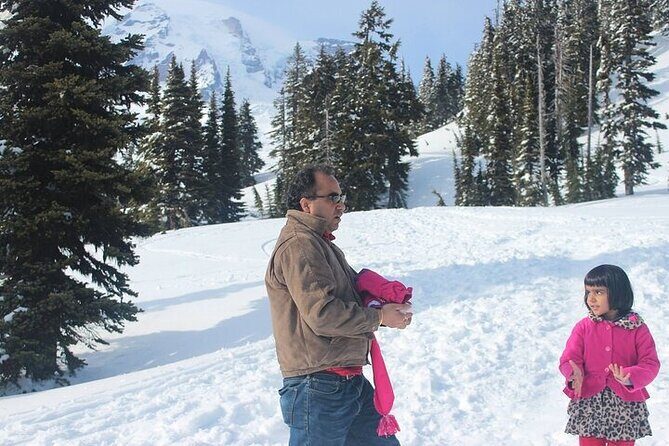
Even with a solid route, Rainier days are guided-by-person as much as guided-by-map. In the feedback I’ve seen reflected in real experiences, people have specifically praised guides like Dwight for being knowledgeable and keeping the day un-rushed, and Mike for being patient, helpful, and witty while guiding people around.
That “not rushed” part is a big deal. On Rainier, you don’t just visit the view—you linger in it. Time matters for photos, for a calm breath before heading to the next stop, and for adjusting when someone needs a slower pace.
I’ll also say this honestly: there have been mixed experiences where the person in charge felt more like a driver than a guide. If you’re booking because you want real interpretation—history, plant details, why one trail is chosen over another—keep an eye on the first part of the day. You should see your guide actively shaping the day, not just moving the van from stop to stop.
If you want the experience you’re paying for, I’d go in with this mindset: show up ready to walk, ask questions when you get them, and treat the guide as your on-the-ground shortcut.
Who This Tour Fits Best (and Who Might Want a Different Plan)
This tour is built for you if:
- You want a big Mt. Rainier day without planning multiple logistics
- You like short-to-moderate hikes and scenic stops
- You want someone to consider weather and crowd avoidance when choosing the flow
- You’d rather ride with a small group (up to 14) than manage parking and timing yourself
It may feel less perfect if:
- You’re chasing a long, solitary hike day. The stops are time-boxed, and you’ll spend much of the day on scenic highlights rather than deep trail time.
- You’re traveling with the expectation that the “guide” will be delivering constant commentary from the moment you step in. There can be variation in what people experience in the vehicle portion.
A note on food: breakfast and lunch are not included. The itinerary includes a light breakfast break on the way in, but you should plan to bring something or buy something during that window. Water is provided, which helps.
Planning Smart: Weather, Timing, and Rainier’s One Big Variable
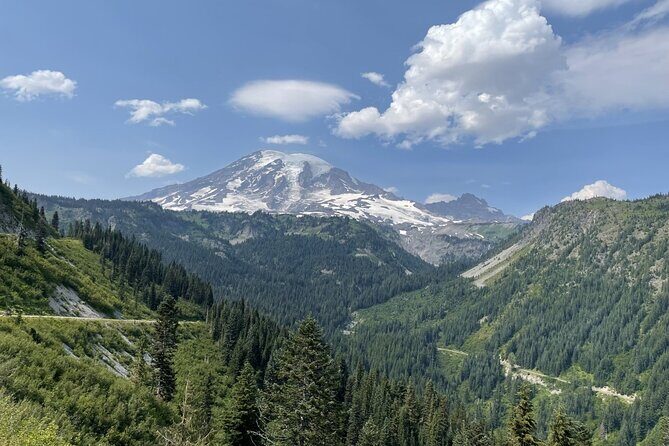
This experience requires good weather. That doesn’t mean it has to be sunny all day, but it does mean conditions can affect whether the trip runs and what you can enjoy safely. Rainier is a place where fog, rain, and road access can change plans quickly.
It also depends on meeting a minimum number of travelers. This matters for your scheduling. If you’re traveling with a tight itinerary, give yourself flexibility, or book early enough that you’re not forced to pivot at the last minute.
Good news: confirmation is provided at booking, and pickup is arranged with text message updates about approximate pickup time and location in advance. That’s a helpful detail in Seattle-area logistics, where timing can get tricky.
If you want the best chance of getting the most out of your day, dress for layers. Even in summer, you can feel cooler at higher elevations and on shaded trails.
Should You Book This Mt. Rainier Tour?
My quick take: book it if you want a guided best-of Rainier day with time at Paradise, plus a well-timed stop at Narada Falls and a shot-focused stop at Reflection Lakes. The inclusion of park entrance fees, bottled water, and pickup/drop-off makes the $385 price feel less “expensive for transport” and more like you’re paying for a full day of coordination.
Don’t book it if you’re the type who needs long, independent hiking time and total control over routes, or if you can’t handle the reality that weather and minimum group size can shift plans.
If you do book, do two things:
- Keep an eye on your phone for the pickup text so you’re ready at the right place
- Plan your meals since breakfast and lunch aren’t included
And then, once you’re there: slow down at Paradise. That’s where Rainier goes from impressive to personal.
FAQ
How long is the Mt. Rainier National Park with a Local Guide tour?
The tour runs about 8 to 10 hours total.
What’s included in the price?
Included are pick up and drop offs, bottled water, park entrance fees, and all fees and taxes.
Is breakfast or lunch included?
No. Breakfast and lunch are not included.
How many people are in the group?
The tour has a maximum of 14 travelers.
Do I need good weather for this experience?
Yes. This experience requires good weather.
Can you boat or fish at Reflection Lakes?
No. Boating and fishing are not permitted at Reflection Lakes.