REVIEW · MUSEUMS
Seattle: The Museum of Flight Entry Ticket
Book on GetYourGuide →Operated by The Museum of Flight · Bookable on GetYourGuide
You only need one day to feel the sky.
Seattle’s Museum of Flight is a big, friendly feast for anyone who loves aircraft, space, and the people behind both. I like that it’s a private museum with real scale, and you can move through aviation eras without getting lost in trivia.
Two things I especially enjoy: getting close to famous aircraft like a Boeing 747 cockpit experience and seeing the full-sized Space Shuttle Trainer used for astronaut training. One thing to plan for: the museum is spread across five separate galleries, so if you arrive late, you’ll run out of time before you see the parts you care about most.
In This Review
- Key things to plan for before you go
- A giant hangar of aircraft and space gear in Seattle
- What your $29 ticket really covers (and what it doesn’t)
- Aviation Pavilion: planes, cockpits, and hands-on credibility
- The Great Gallery: where planes feel like they float
- Space Gallery and the full-scale Shuttle Trainer
- Personal Courage Wing: World Wars through the people behind flight
- The spy and jet-fighter side quests you don’t want to miss
- Optional 3D movie and simulators: choose based on your group
- Timing: how to cover five galleries without feeling rushed
- Weather and the view from T. Evans Wyckoff Memorial Bridge
- Value check: is the museum worth about $29?
- Who should book this entry ticket (and who might not)
- Should you book? My practical recommendation
- FAQ
- How long is the ticket valid?
- What is included with the ticket?
- Are flight simulator tickets included?
- Is the 3D movie included?
- What time is the last admission?
- About how much time should I plan for?
- What languages are available for the audio guide?
- Is the museum wheelchair accessible?
Key things to plan for before you go
- Five galleries on a large campus means you’ll want a quick game plan so you don’t miss your priorities.
- Over 150 aircraft and spacecraft-related exhibits gives you plenty to focus on, even if you only have a few hours.
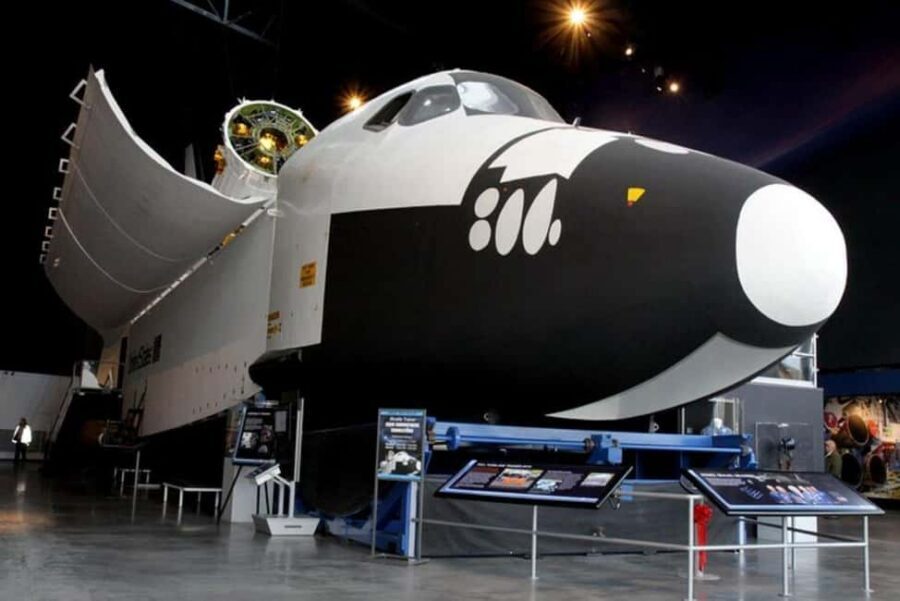
- Space Gallery includes a full-sized Shuttle mockup you can check out in person.
- Audio guide is included (English plus German, French, Spanish, Chinese, Japanese, Russian).
- Simulator tickets and the optional 3D film cost extra, so decide what you want early.
A giant hangar of aircraft and space gear in Seattle
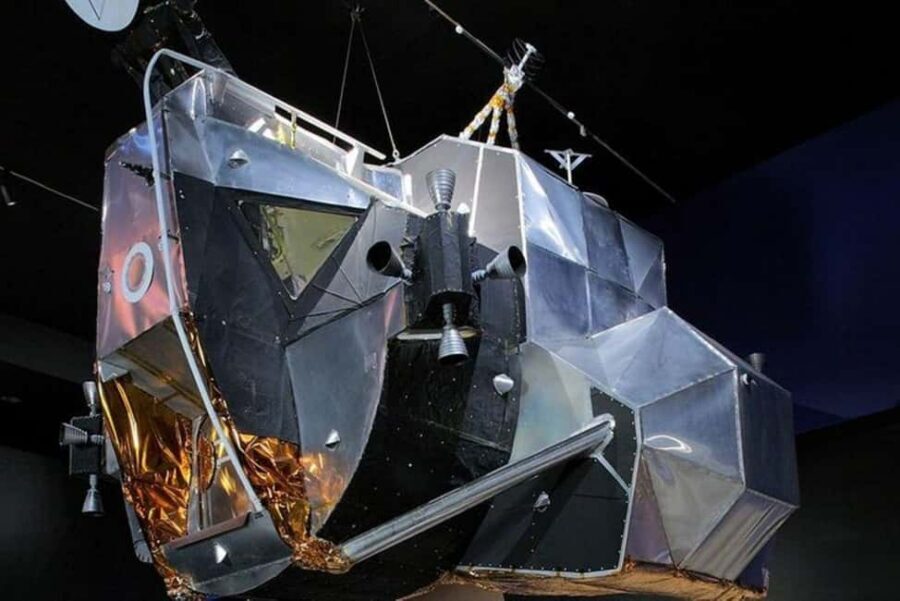
This is the kind of museum where you start walking and realize you’re surrounded by the history of human flight. The Museum of Flight is often described as the world’s largest private air and space museum, and that claim fits what you’ll actually feel on site: big rooms, big planes, and big “how did they ever build this?” moments.
What I like as a visitor is that the museum isn’t only about staring at objects behind glass. You’ll find interactive and hands-on exhibits, plus immersive galleries that shift gears from aircraft engineering to the astronaut training world. It’s a great match for mixed groups too: aviation nerds, kids, and people who just like cool technology can all find something to do.
The place also has a built-in sense of theater. Even the layout helps: you’ll naturally flow from aircraft-heavy areas into the space-focused spaces, instead of bouncing randomly between themes.
Other Seattle tours we've reviewed in Seattle



What your $29 ticket really covers (and what it doesn’t)
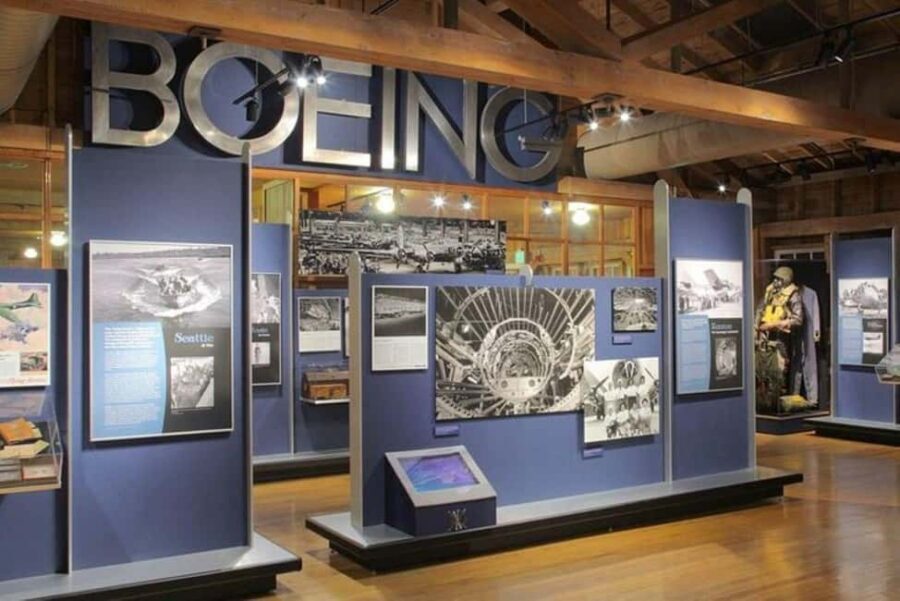
At about $29 per person, the ticket is simple: you’re paying for admission to the museum itself. That includes the entrance ticket and an audio guide available in multiple languages.
Two extras are clearly separate. First, flight simulators require their own tickets. Second, there’s a flight-themed 3D movie that’s optional and comes with an additional cost. If those are high on your list, I’d budget time and money for them, because you don’t want to discover too late that you’re missing the one activity you planned around.
Good news for value: the museum’s core offer is substantial even without simulators. With 150+ aircraft on display and multiple galleries, you can easily spend the day just moving through collections and exhibits.
Aviation Pavilion: planes, cockpits, and hands-on credibility
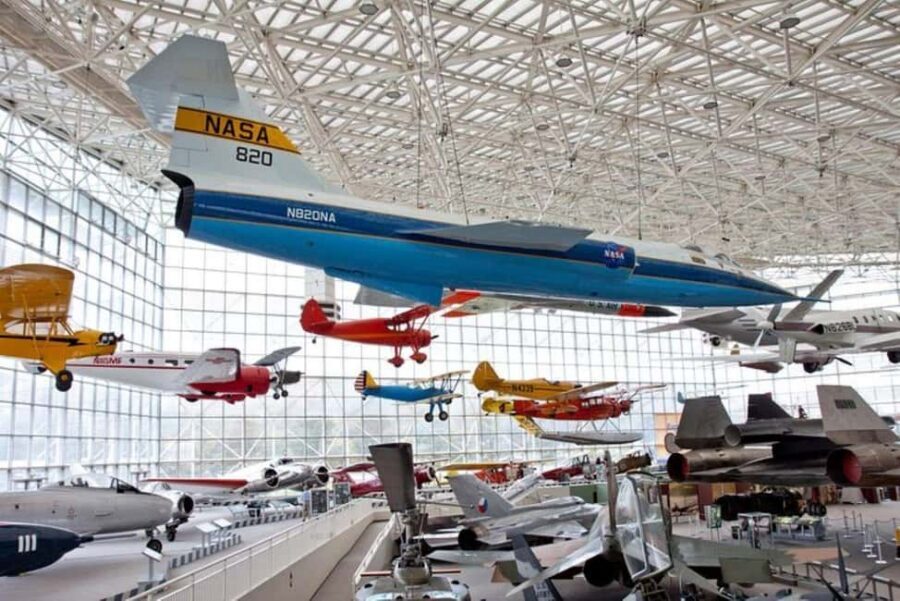
The Aviation Pavilion is where the museum starts doing its best work: showing you aircraft in a way that feels both historical and physical. You’ll see iconic early aviation and major milestones, including aircraft tied to Boeing’s big leap story—like the first flight-worthy Boeing 747.
What I like here is the mix of famous names and “wait, that’s here?” exhibits. The museum also includes a glass gallery featuring a human-powered MacCready Gossamer Albatross II, which is a reminder that flight isn’t only about jets and engines. There’s also a replica of Amelia Earhart’s ill-fated aircraft, which turns the gallery into a more human, story-driven experience.
For many people, this is the part that clicks fastest: you can stand close, look up, and actually see how aircraft were built to move through the sky. If you’re traveling with family, the hands-on elements in this zone help keep younger visitors from turning the museum into a long hallway walk.
The Great Gallery: where planes feel like they float
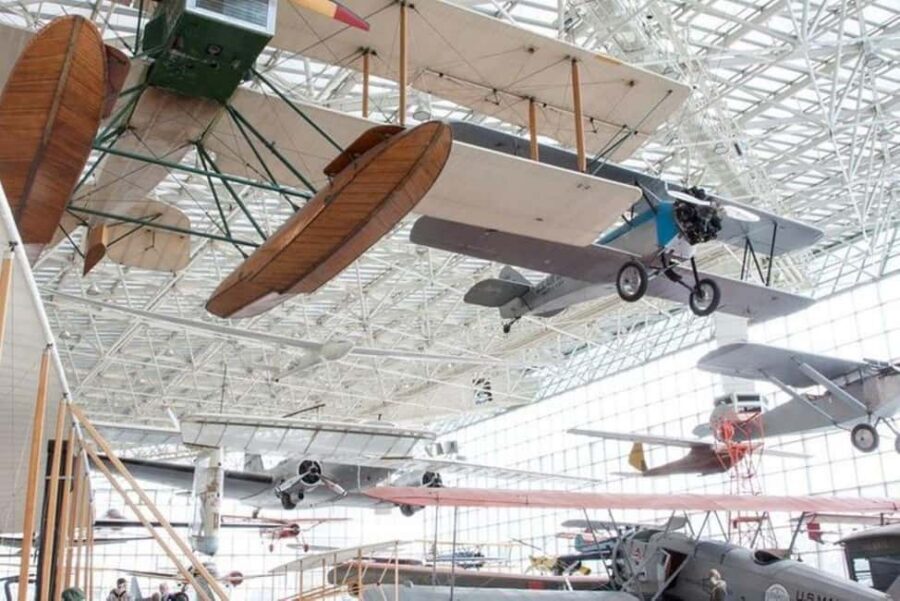
After the pavilion, you’ll hit a space designed for “wow” factor. In the Great Gallery, planes seem to float mid-air and the whole room has that aviation-catalog vibe turned cinematic.
This is a smart stop even if you’re short on time, because it’s visually efficient. You don’t have to work to understand what you’re looking at; the layout and scale do that for you. It’s also a good place to slow down, grab a snack if you need one, and decide your next move.
One practical note: since the museum covers a lot of ground, I treat the Great Gallery like a checkpoint. If you’re seeing it early, you know your energy level is right for the day. If you’re seeing it late, at least you’ll end up with one major “memory photo” before fatigue sets in.
Space Gallery and the full-scale Shuttle Trainer
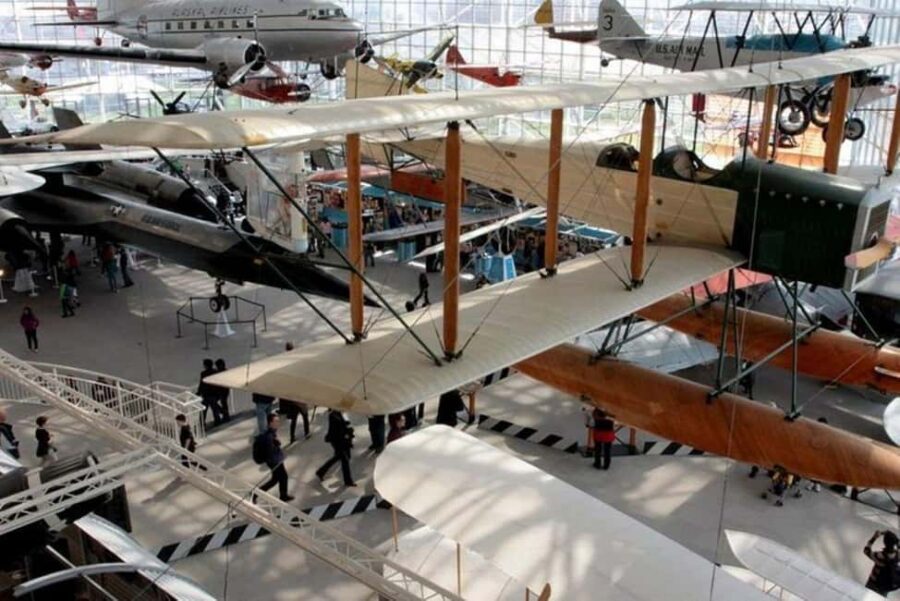
This is the area that tends to pull people in, even those who came mainly for airplanes. The Space Gallery is multisensory and focuses on the bridge between aircraft technology and human spaceflight.
The headline is the full-sized Space Shuttle Orbiter mockup used as a training tool for astronauts. Standing near a scale model like this changes the conversation from “space is far away” to “people practiced procedures on equipment like this.” It gives you a more grounded feeling for what space missions required long before launch day.
You’ll also see the museum’s space angle through the way it presents technology. It’s not only about the spacecraft itself; it’s about systems, preparation, and the real work behind the headlines. If your group includes both flight lovers and space fans, this gallery is often the meeting point where everyone feels satisfied.
A few more Seattle tours and experiences worth a look





Personal Courage Wing: World Wars through the people behind flight
Not every aviation museum tells you what it felt like to be on the ground or in support roles. The Personal Courage Wing does. It moves through both World Wars using pilot and nurse stories, plus photographers and support crew—people who helped make flight operations possible, even if they weren’t always in the cockpit.
I appreciate this wing because it stops the museum from becoming only about machines. You get perspective on how many jobs surrounded flight: training, medical support, documentation, logistics. That human angle adds weight to everything you see elsewhere in the building.
If you’re the sort of traveler who likes museums with more than one layer, this is one of the places to spend extra time. Read the stories, then look at the aircraft again with a fuller understanding of who depended on them.
The spy and jet-fighter side quests you don’t want to miss

One of the Museum of Flight’s strengths is that it doesn’t treat military aviation like one big blur. You’ll find specific stops tied to later conflicts, including Korean and Vietnam War-era jet fighters and a rare M-21 Blackbrid spy plane.
These aircraft are particularly interesting because they represent aviation as an intelligence and information tool, not only as transportation or air combat. Seeing them in the museum’s larger timeline makes Cold War aviation feel less abstract and more concrete.
If you’re an aviation enthusiast, this is where your brain starts connecting dots: what changed in aircraft design, what missions required, and why certain technologies mattered. If you’re not a detail person, you’ll still enjoy it because the museum frames these machines with enough context to make them understandable.
Optional 3D movie and simulators: choose based on your group
The museum offers two add-ons, and you should pick them based on who you’re traveling with.
First, the flight-themed 3D movie is optional and costs extra. If your group likes cinematic storytelling and you want a quick “set the mood” moment, it’s worth considering. If you’re more hands-on and less into films, you might skip it and save energy for galleries.
Second, flight simulators have their own ticket requirement. These can be a big hit for families and for visitors who want to feel the thrill, but they’re not included in the entrance ticket. I recommend deciding early whether simulators are a must, because the museum is large enough that time planning matters.
Timing: how to cover five galleries without feeling rushed
You should plan on at least 3 hours to see most exhibits. The museum is very large and spread across five separate galleries on a two-sided campus. That’s not a “light afternoon stop.” It’s a real museum day.
Also keep your clock in your head: last admission is at 4:00 PM, one hour before the museum closes at 5:00 PM. That means your last chance to get in is earlier than you might think, especially if you lose track in galleries.
My strategy: pick your must-sees before you start walking. For many people, that list is Space Gallery plus one aircraft-heavy area (like the Aviation Pavilion). Then fill the rest around what you’re drawn to. If you try to see everything, you’ll end up rushing. If you pick priorities, you’ll actually enjoy the museum more.
Weather and the view from T. Evans Wyckoff Memorial Bridge
On clear days, you get an extra treat outside. Head to the T. Evans Wyckoff Memorial Bridge for views of Seattle-Tacoma International Airport and Mount Rainier.
This part matters because it connects the museum’s themes to real geography. You’ll look at active aviation in the region after spending time inside aircraft and space galleries. If you’re a photography person, this is a strong candidate for your late-day timing, since you’ll want good light and decent visibility.
If the weather is rough, don’t panic. The indoor galleries are enough for a full day. But if skies are clear, that bridge view is one more reason this museum outing feels like it’s tied to Seattle, not just shipped in from elsewhere.
Value check: is the museum worth about $29?
For roughly $29, you’re paying for a full-entry day into a museum with 150+ aircraft, multiple galleries, an included audio guide, and hands-on components. That can be good value compared with attractions where you pay extra for almost everything.
The main cost caveat is that some of the most “experience-like” parts—simulators and the optional 3D movie—cost extra. If you go in knowing that and you treat them as optional, the base admission still feels substantial.
In my view, the biggest value factor is fit. If you’re into aviation and space technology, you’ll likely use the time efficiently and walk away feeling satisfied. If you’re only mildly interested and hate large indoor spaces, you may find it heavy.
Who should book this entry ticket (and who might not)
This is a strong choice if you fall into any of these categories:
- Aviation enthusiasts who want aircraft variety in one place, including Cold War-era and jet-fighter collections
- Families looking for hands-on exhibits and activities that break up the museum rhythm
- People who want a serious space stop without committing to a multi-day itinerary
- Travelers who appreciate museums that include the human side of aviation through story-driven wings like Personal Courage
It may be less ideal if you:
- Only have a tight schedule and can’t spare at least 3 hours
- Don’t enjoy moving through large, spread-out spaces with multiple galleries
- Know you dislike audio guides and prefer fully guided tours (the museum does have an audio guide, but you won’t get a live guide from this ticket alone)
Should you book? My practical recommendation
Yes, I’d book this entry ticket if you want one solid, high-impact day on aircraft and space. It’s a good match for travelers who like seeing real machines up close, not just reading about them. With the audio guide included and a museum layout that supports different interests, you can steer your day without feeling boxed in.
If you’re planning to add simulators or the 3D movie, decide early so you don’t lose time. And if you want the outdoor bridge view, time your day for weather.
FAQ
How long is the ticket valid?
The entry ticket is valid for 1 day, based on availability for starting times.
What is included with the ticket?
The ticket includes museum entrance and an audio guide.
Are flight simulator tickets included?
No. Flight simulator tickets are not included.
Is the 3D movie included?
No. The 3D movie is not included.
What time is the last admission?
Last admission is at 4:00 PM, one hour before the museum closes at 5:00 PM.
About how much time should I plan for?
Plan for at least 3 hours to see the majority of the exhibits.
What languages are available for the audio guide?
The audio guide is available in German, Chinese, Russian, Japanese, English, French, and Spanish.
Is the museum wheelchair accessible?
Yes, the museum is wheelchair accessible.