REVIEW · HIKING & TREKKING
Mount Rainier: Day Hike on the Mountain
Book on GetYourGuide →Operated by Adventures In Seattle · Bookable on GetYourGuide
Rainier looks different when you earn it on foot. This day hike in Mount Rainier National Park takes you onto the Three Burroughs Trail for big volcano views and a real walking day, not a quick stop-and-stare. I like the chance to spot mountain goats in the meadows and I like the provided picnic that comes with peak-and-climber watching. The main drawback is that the trail sits at high elevation and can be uneven or snowy, so you’ll want to treat it like a workout, not a stroll.
The logistics are also friendly: pickup is included from the Seattle area and the drive to the park is about two hours. I really appreciate the small touches that make the hike easier to manage, including trekking poles and backpacks provided with the gear, plus guides who explain what you’re seeing as you go. In the past, guides like Josh and Sophia have made the day feel organized and personal, with photos shared after the hike being a nice bonus.
One more consideration: this isn’t for kids under 12, and it’s not a good fit for people with mobility impairments or heart problems. Still, it helps that you can often choose to turn back at 4, 6, or 9 miles depending on how your body is handling altitude.
In This Review
- Key takeaways before you lace up
- A morning drive that lines you up for the best light
- Sunrise Visitor Center to the first ridge climb: where the day starts paying off
- Frozen Lake and goat meadows: the wildlife moment you actually remember
- Two snowfields to Second Burroughs: not technical, but still a serious hike
- The Rainier reveal and peak-watching pause
- How long is it really, and what kind of effort should you plan for?
- Price and value: is $269 actually fair here?
- What to bring so the day feels comfortable (not miserable)
- Who should book this Rainier hike, and who should pass
- Should you book the Three Burroughs day hike?
- FAQ
- Where is the pickup, and what time does it usually start?
- How long is the trip from Seattle to the park?
- What trail is this hike based on?
- Is the hike technical or does it require climbing skills?
- How long do I hike during the day?
- What views can I expect on clear days?
- Will I definitely see mountain goats?
- What’s included in the price?
- What should I bring, and what should I avoid?
- Is this suitable for kids or for people with mobility or heart concerns?
Key takeaways before you lace up
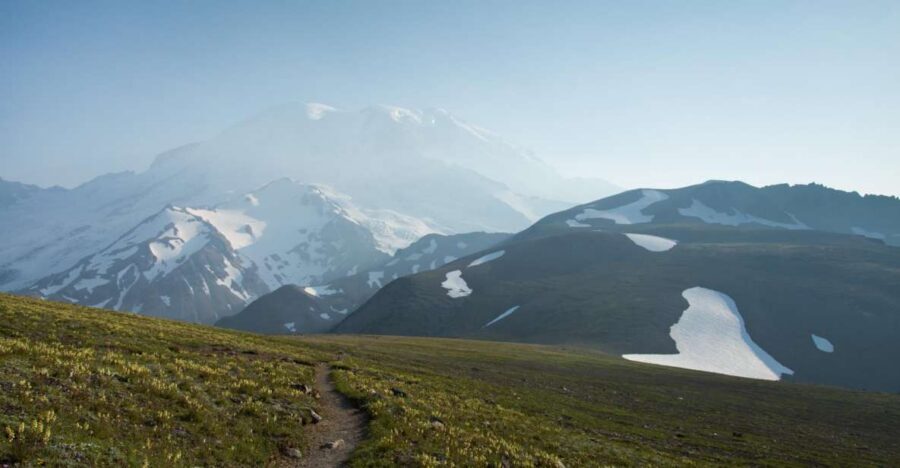
- Three Burroughs Trail views are the real payoff, especially the Rainier reveal from the Second Burroughs area
- Glacier Peak and Mount Baker can show up on clear days from the ridge
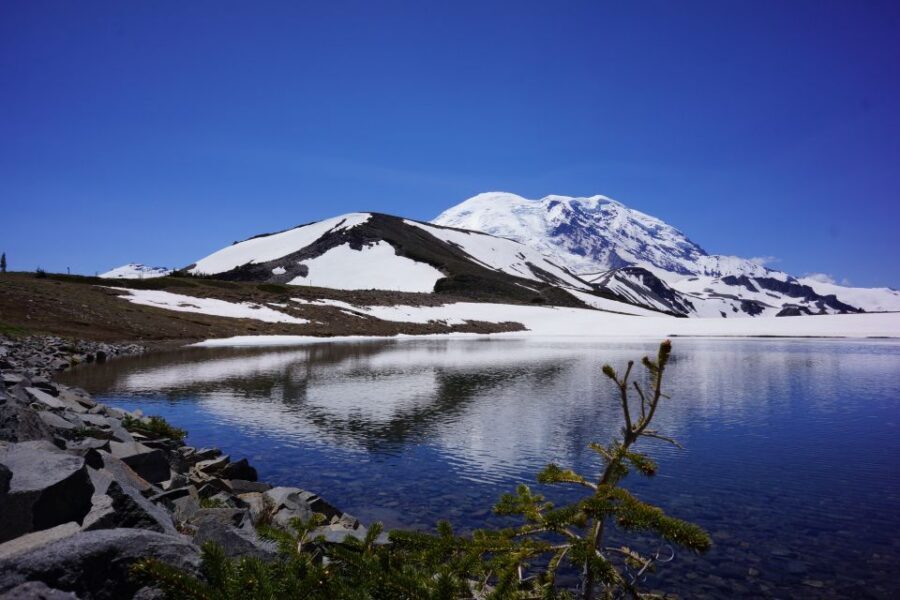
- Frozen Lake + goat meadows create that rare mix of water, wildlife, and wide-open mountain views
- Two snowfield crossings add a fun challenge without needing technical climbing skills
- Lunch on the trail gives you a scenic pause and time to watch climbers on the peak
- Small group size (max 5) helps the pace adjust to altitude and comfort needs
A morning drive that lines you up for the best light
You start early, with pickup generally between 6 AM and 8 AM from Seattle-area accommodations. The drive to Mount Rainier is about two hours, and it’s long enough to settle in, but short enough that you still feel fresh when you hit the trailhead.
This matters because visibility at higher elevations is a big deal. On clear days, the views from this route can include other major peaks, and the morning timing helps you catch those lines of sight before cloud buildup.
The group stays small all day, capped at five participants, which is a big deal on Rainier hikes. You’re less likely to feel rushed, and the guide can slow down for altitude or uneven footing without the whole line suffering.
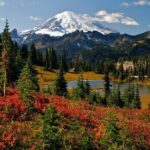
Other Mt Rainier day tours we've reviewed in Seattle
Sunrise Visitor Center to the first ridge climb: where the day starts paying off
Your hike begins at the Sunrise Visitor Center, and the trail climbs fairly quickly to a ridge. From that higher viewpoint, you’re looking for the classic Mount Rainier “bonus views” of Washington’s volcanoes—especially Glacier Peak and Mount Baker—when the sky is clear.
What I like about this approach is that you’re earning the views right away. You’re not spending the day parking your body at viewpoints; you’re getting moving early so the rest of the hike feels like it builds instead of repeats.
You’ll also want to take the uneven ground seriously from the start. Even though the route is described as not technical and you don’t need special climbing skills, the trail can be uneven and you may encounter snow depending on conditions.
Practical tip: if you’re sensitive to altitude, go steady on the climb out of Sunrise. This is one of those hikes where pacing yourself early prevents you from spending the rest of the day playing catch-up.
Frozen Lake and goat meadows: the wildlife moment you actually remember
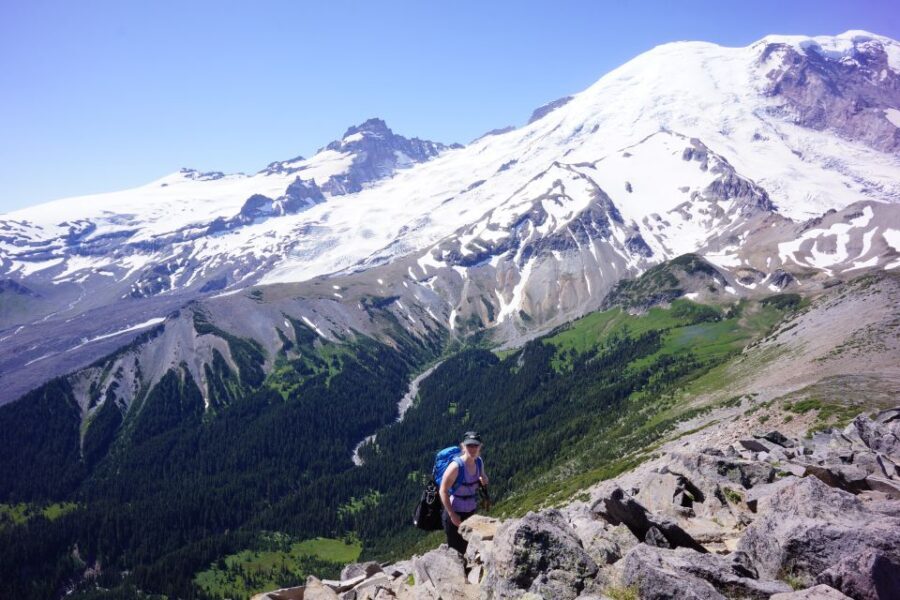
After that first ridge area, the trail passes Frozen Lake. Even if the lake itself is not your main target, it’s a landmark that breaks up the day and gives you a natural “mid-hike moment” to reset.
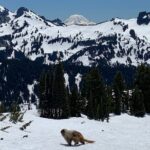
Then comes the part many people look forward to: watching for resident mountain goats grazing in the meadows. You may spot them above or below you, and the key is to slow down enough to scan—not just march forward with tunnel vision.
A small-group guide helps here. A good guide won’t just point and move on. They’ll help you notice what you’re seeing and how the terrain creates the feeding zones where goats like to hang out.
If you’re going hoping for a wildlife encounter, manage expectations gently. You’re not guaranteed to see goats, but this route is timed and positioned for those chances, and it’s exactly the kind of place where you’ll feel like the hike is doing more than sightseeing.
Two snowfields to Second Burroughs: not technical, but still a serious hike
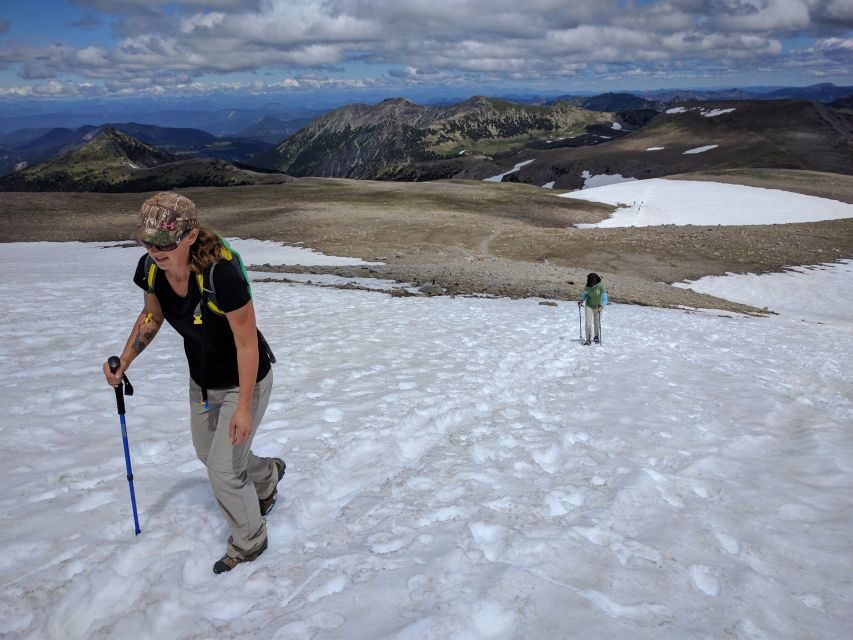
The route continues up across two snowfields as you head toward Second Burroughs. This is the stretch where you feel that you’re hiking on a high-elevation mountain, not just walking on a well-groomed path in a park.
Here’s the important part for decision-making: the hike is not technical, and you won’t need special climbing skills. But it can still be demanding because footing may be uneven and snow may be present.
That’s also why the tour is designed with flexibility. You can choose to turn back at 4, 6, or 9 miles depending on your physical condition. This lets you match the day to your comfort level without forcing everyone into a single “all-or-nothing” approach.
Gear helps a lot here. Trekking poles are included, and they can take the strain off knees and ankles when you’re stepping across snowfield edges or uneven patches.
The Rainier reveal and peak-watching pause
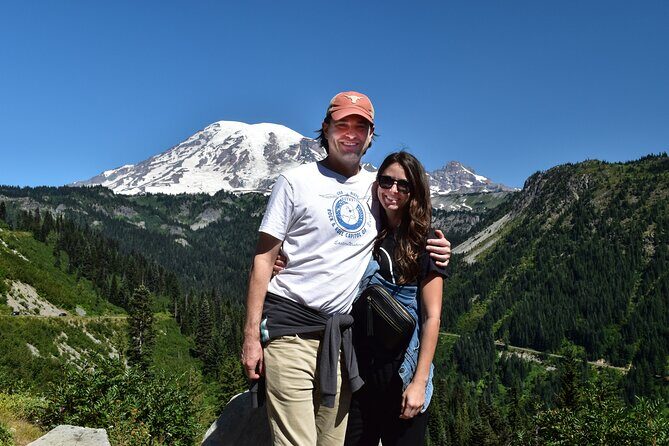
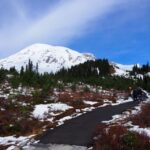
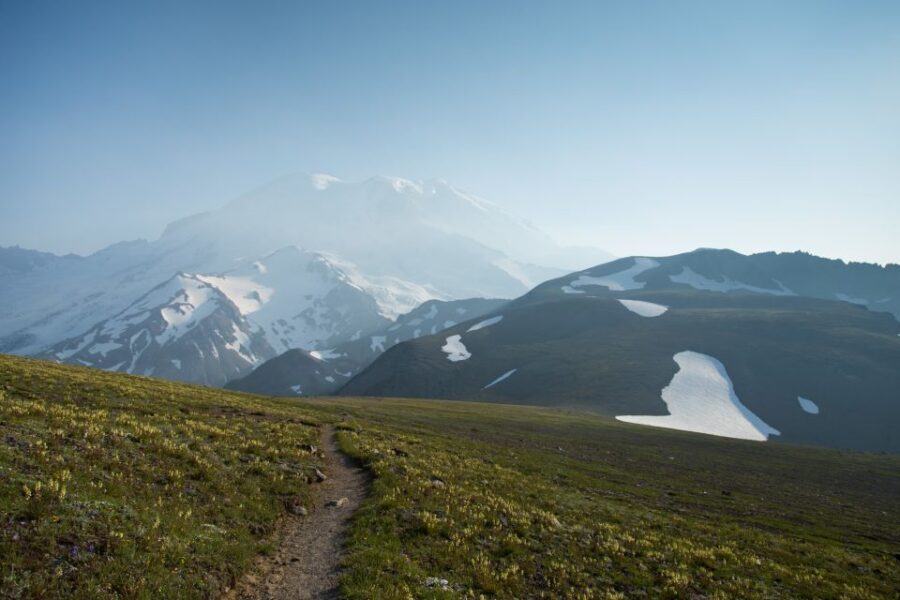
As you approach Second Burroughs, Mount Rainier appears in front of you in all its glory. This is one of the main reasons people pick this hike. It feels like the mountain finally stops being a background idea and becomes the focal point of your view.
At a lunch stop, you get a provided meal and snacks, plus time to look around. One of the most fun elements is watching for mountain climbers on the peak from this vantage point, which adds energy to the scenery without turning it into a crowded viewing platform.
I like that this tour doesn’t treat lunch as a rushed sandwich break. It’s timed so you can take in the views and let your breathing and energy level catch up a bit before the final walking.
Other hiking tours in Seattle
How long is it really, and what kind of effort should you plan for?
This experience is built as a real hike day. Even though the total program is one day, the walking time is a meaningful chunk of it, not a tiny leg-stretch before returning to the car.
If you want an expectation anchor, think in terms of multiple hours on the trail and a 6+ mile type of effort, with turnaround options to scale down. The good news is that because the group stays small, the guide can adjust your pace to help you finish comfortably—or turn back when you need.
Also, because the trail sits around 6,500 feet on the mountain route, altitude can affect people differently. Your best strategy is simple: take it easy early, drink water, and don’t judge the day based on how you feel in the first hour.
Price and value: is $269 actually fair here?
At $269 per person, this is not a bargain-basement outing. But I think the value is there if what you want is a guided hike with high mountain logistics handled for you.
Here’s what you’re paying for, in plain terms:
- Transportation from Seattle-area hotels/addresses (included)
- Park entrance fees (included)
- Gear support, since trekking poles and backpacks are provided
- A real guide for trail navigation, pacing, and spotting key points like goat meadows
- Lunch and snacks included, so you’re not managing food under time pressure
The small-group size (max 5) also matters. On a high-elevation, uneven route, you want the day to stay flexible. That’s harder with big groups, and it’s exactly what keeps you from feeling like you’re racing someone else’s schedule.
If your goal is a quick scenic ride with a short walk, this will feel like too much hiking. If your goal is a day that truly uses your legs to get the best views, it starts looking like a good deal.
What to bring so the day feels comfortable (not miserable)
The tour provides hiking equipment, but you still need your clothes and basics. You should bring:
- Comfortable close-toed shoes
- Warm, layered clothing (including a base layer and fleece or down)
- A hat and gloves
- Sunglasses
- A windbreaker or raincoat
Not allowed items include pets, and also smoking, alcohol and drugs, plus open-toed shoes. That’s a simple rule set, but it’s one of the reasons the experience tends to stay focused and safe.
Even if the day starts sunny, you can hit cooler conditions at elevation. The wrong clothing turns a great view day into a shiver day, so pack like you expect mountain weather.
Who should book this Rainier hike, and who should pass
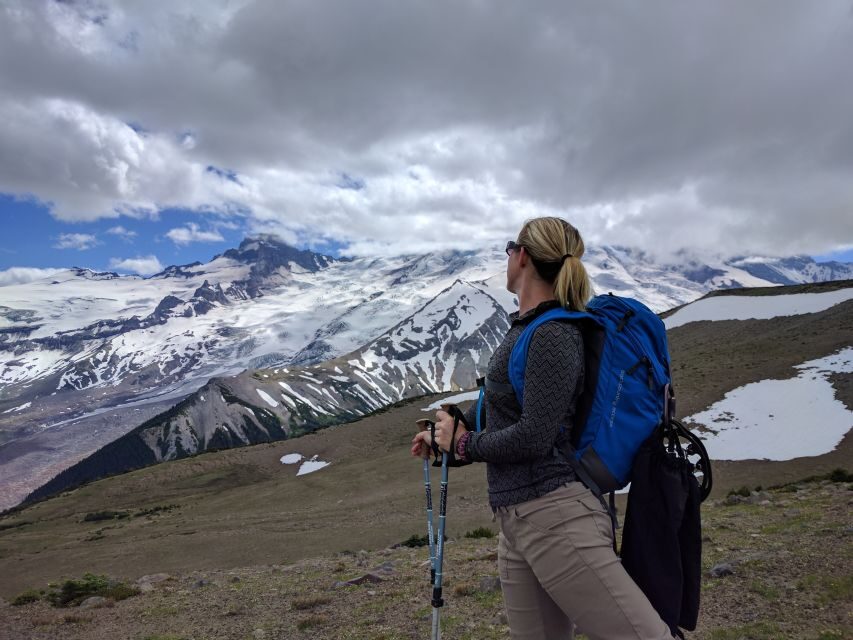
This is a strong fit if you:
- Want big views that you reach on foot
- Prefer a small group so pace and comfort can be adjusted
- Are comfortable hiking on uneven terrain and handling altitude
- Want a guide who helps you notice more than just the main photo angles
It’s not a good fit if you:
- Have mobility impairments
- Have heart problems
- Need a kid-friendly option, since it’s not suitable for children under 12
- Are looking for an easy walk with minimal elevation change
If you’re unsure, remember the turnaround choices. The ability to head back at 4, 6, or 9 miles can save the day when your body says slow down.
Should you book the Three Burroughs day hike?
Book it if you want a guided day that mixes signature Mount Rainier views, wildlife scouting (including the chance to see mountain goats), and a real hiking effort with built-in flexibility. The small group size and the guide’s hands-on approach make it feel more personal than a long bus day.
Skip it if you need a fully accessible route, you’re not comfortable with high elevation, or you want mostly car-based viewpoints. This one is about earning the panorama, and it works best when you’re ready for that kind of day.
FAQ
Where is the pickup, and what time does it usually start?
Pickup is included from your hotel or accommodation in the Seattle area and also in the area around Mount Rainier on the North side/Sunrise side. Pickup is generally between 6 AM and 8 AM.
How long is the trip from Seattle to the park?
The drive from the Seattle area to Mount Rainier is approximately two hours.
What trail is this hike based on?
It’s a day hike on the Three Burroughs Trail, starting from the Sunrise Visitor Center and continuing toward the Second Burroughs area.
Is the hike technical or does it require climbing skills?
The hike is described as not technical, and no special climbing skills are required.
How long do I hike during the day?
You’ll hike for multiple hours, with choices to turn back depending on how you feel. The route supports turning back at 4, 6, or 9 miles.
What views can I expect on clear days?
On a clear day, you can see Glacier Peak and Mount Baker from the ridge, and you’ll get a major view of Mount Rainier from the Second Burroughs area.
Will I definitely see mountain goats?
You might see resident mountain goats grazing in the meadows above and below the trail near Frozen Lake, but visibility and wildlife sightings can’t be guaranteed.
What’s included in the price?
Included items are transportation from your pickup location, park entrance fees, hiking equipment (trekking poles and backpacks), lunch and snacks, and an experienced English-speaking guide.
What should I bring, and what should I avoid?
Bring comfortable close-toed shoes, warm layered clothing, gloves and a hat, and sunglasses. Pets are not allowed, and open-toed shoes, smoking, alcohol, and drugs are also not allowed.
Is this suitable for kids or for people with mobility or heart concerns?
It is not suitable for children under 12. It is also not suitable for people with mobility impairments or people with heart problems.